Table of Contents
Introduction
Your skin barrier is the foundation of healthy skin. It protects against environmental aggressors, locks in hydration, and keeps irritation at bay. However, when it’s compromised, whether due to over-exfoliation, harsh weather, or strong actives, you need a barrier-repairing moisturizer to help restore balance.
Barrier repair moisturizers are enriched with ceramides, fatty acids, hyaluronic acid, squalane, and soothing agents that rebuild your skin’s natural shield. Whether you have sensitive, dry, or acne-prone skin, the right formula can make all the difference. If you’re struggling with dryness, redness, or irritation, repairing your barrier is key.
A compromised skin barrier feels tight and reactive. Choosing the right barrier repair cream can help calm irritation, lock in moisture, and aid in faster skin healing. In this guide, I’ve rounded up 10 barrier-repair moisturizers I actually recommend. I’ll explain what each one does, who it’s best for, and a few quick tips for using them so you get good results.
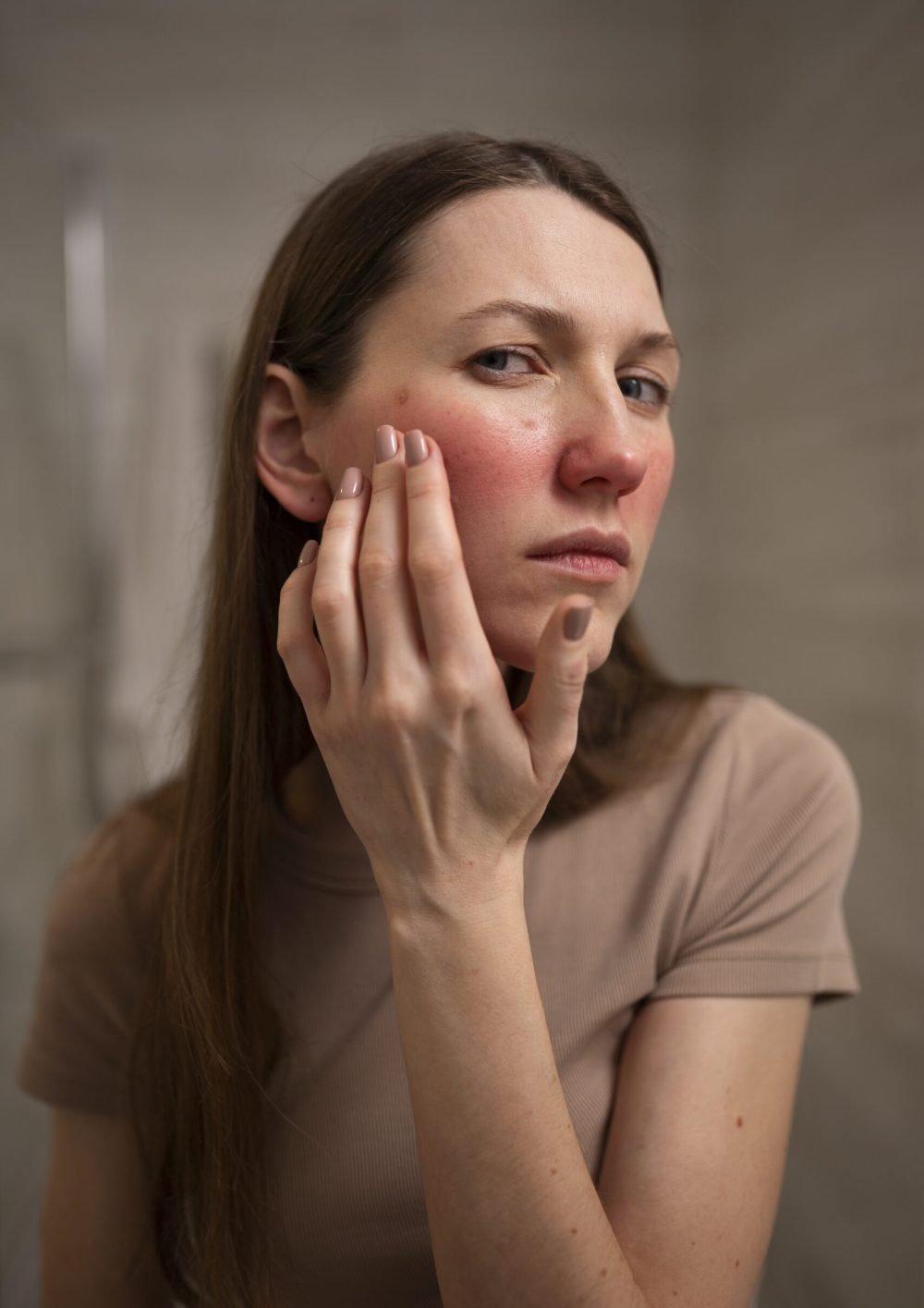
Signs of a damaged skin barrier
- Redness
- Irritation
- Dry & flaky
- Tight
- Inflammation
- Itching
- Burning sensation
- Rough Texture
- Breakouts and tiny bumps
Bonus tip: Quick self-check
If your skin feels tight, red, or reactive after cleansing, or you need to reapply moisturizer constantly, chances are your barrier is compromised.

My Top Picks
La Roche-Posay Baume– Best for dry, irritated, sensitive skin.
Avene Cicafilate– Best for sensitive, irritated skin.
Axis-Y Panthenol– All skin types
Bioderma Atoderm– Best for dry, irritated, sensitive skin
Dr. Althea 345 Cream– Best for Oily-Combination skin
Why barrier repair matters
Your skin barrier (stratum corneum) is the frontline for hydration and protection. When it’s damaged, due to over-exfoliation, harsh ingredients, weather, or dehydration, you get redness, sensitivity, and transepidermal water loss (hello, dry patches).
A good barrier repair cream focuses on three things: restoring lipids (ceramides, fatty acids, cholesterol), soothing inflammation (panthenol, madecassoside, oat extracts), and locking hydration (humectants + occlusives). Pick a formula according to your skin type and use it consistently every day.
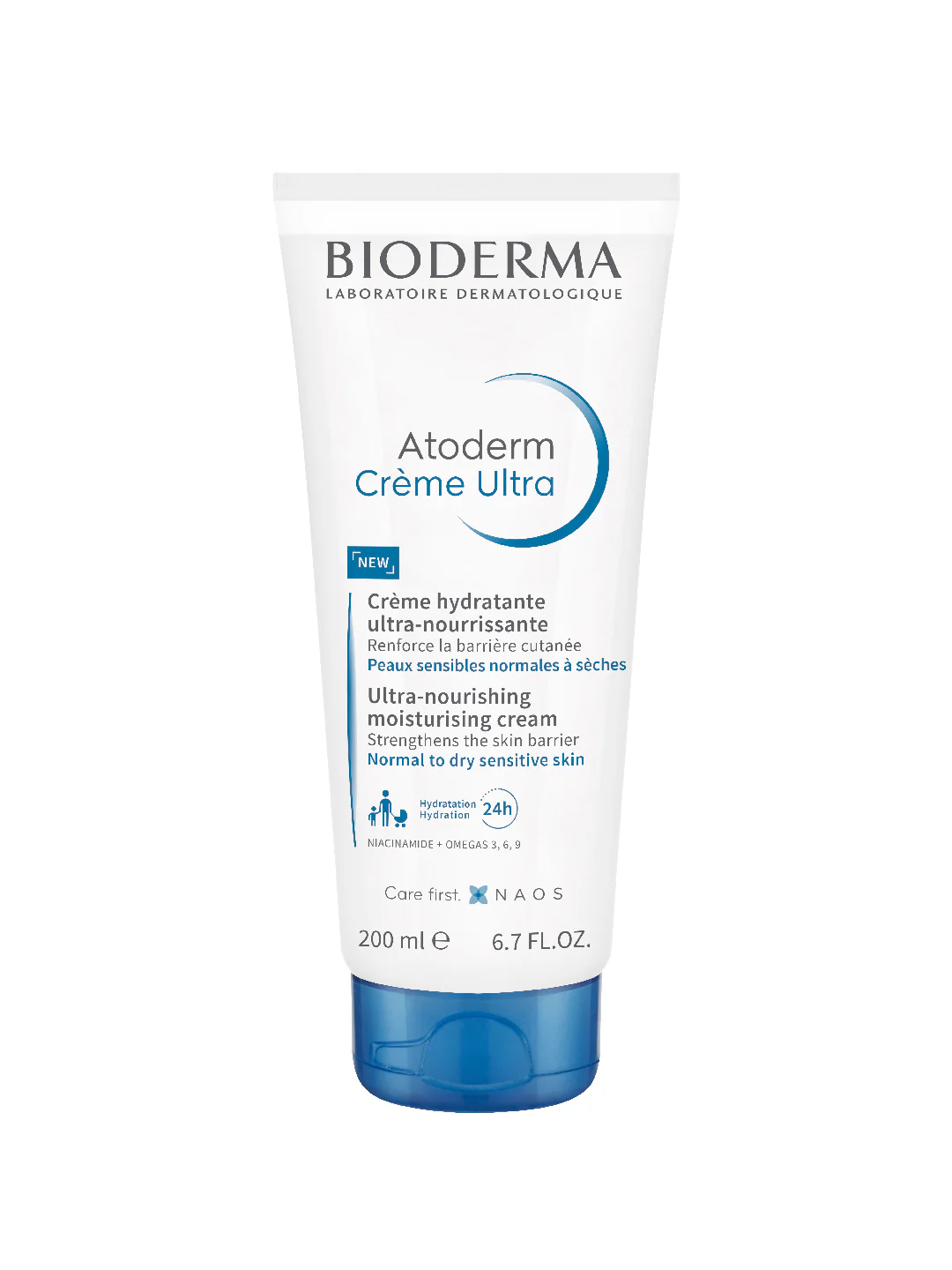
1. Bioderma Atoderm Crème
Why it’s great:
Bioderma’s Atoderm Crème is a dermatologist’s favorite for dry, sensitive skin. With a rich yet comfortable texture, it restores hydration and strengthens the skin barrier. A classic for dry, sensitive skin. Bioderma’s Atoderm line aims to restore lipids and strengthen the barrier with rich emollients and gentle surfactants in the range.
Best for: Dry, dehydrated skin and sensitive skin.
Key Ingredients: Niacinamide, Glycerin.
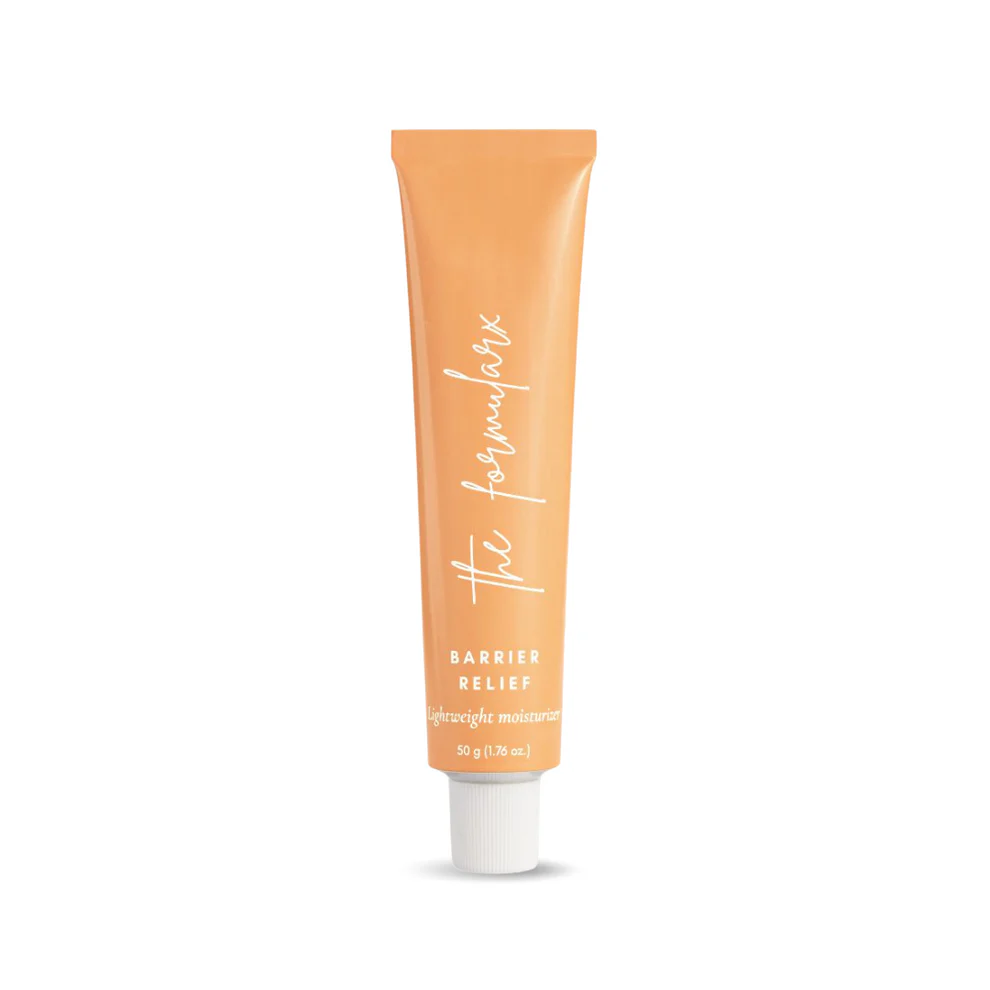
2. Formularx Barrier Relief Moisturiser
Why it’s great:
Formularx has created a lightweight yet deeply nourishing cream perfect for barrier repair. It contains ceramides, fatty acids, and cholesterol, the three essential lipids your skin needs to restore balance.
A targeted barrier repair cream designed for sensitive, acne-prone skin. Look for soothing actives like madecassoside, panthenol, and a supportive lipid base.
Best for: Combination and oily skin types (non-greasy texture)
Key Ingredients: Ceramides, Niacinamide, Squalane.
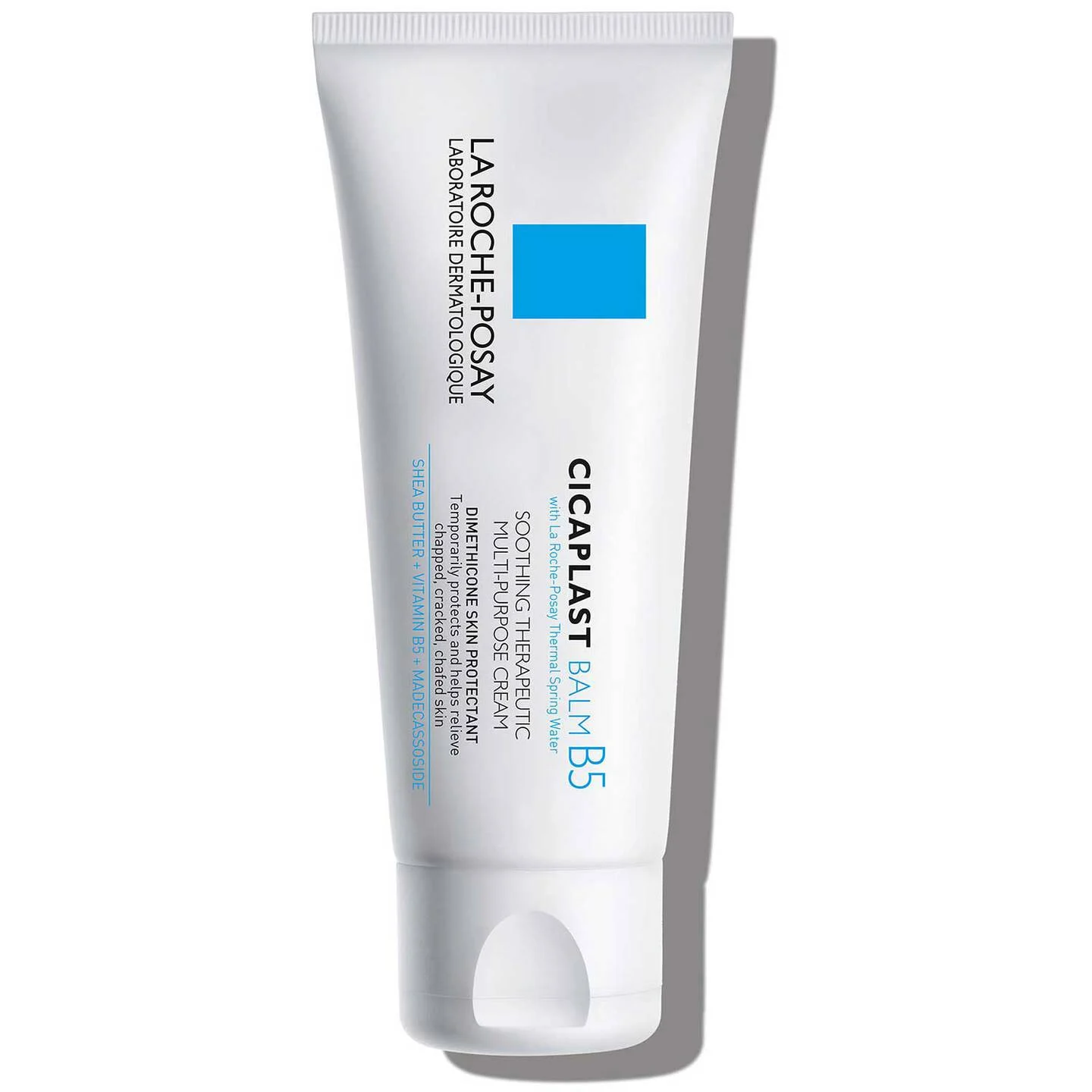
3. La Roche-Posay Cicaplast Baume B5
Why it’s great:
This cult classic is known for its healing and restorative properties. It’s a multi-purpose balm that soothes irritation, reduces redness, and supports barrier repair. A thick, restorative balm that’s a go-to for compromised skin. It blends panthenol (vitamin B5) for soothing with a lightweight silicone and emollient base that protects and seals moisture.
Best for: Compromised, irritated skin. Post-procedure healing (after peels, microneedling)
Key Ingredients: Panthenol, Madecassoside, Shea Butter.
4. Dr. Althea 345 Cream
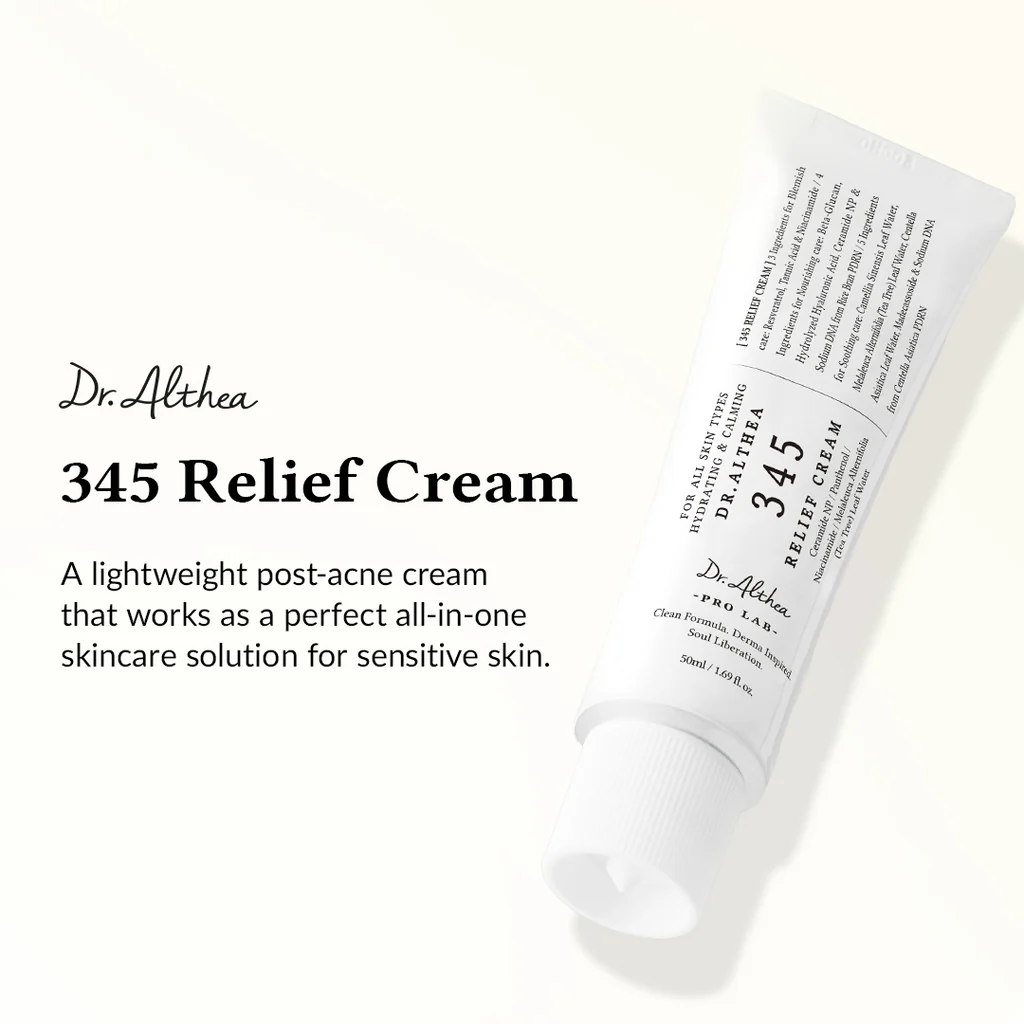
Why it’s great:
This K-beauty gem focuses on hydration and calming effects. Its formula is lightweight, making it suitable for sensitive and oily skin types.
Best for: Sensitive, Oily, acne-prone skin.
Key Ingredients: Panthenol, Centella Asiatica Extract, Ceramides.
5. Etude House Soon Jung Hydro Barrier Cream
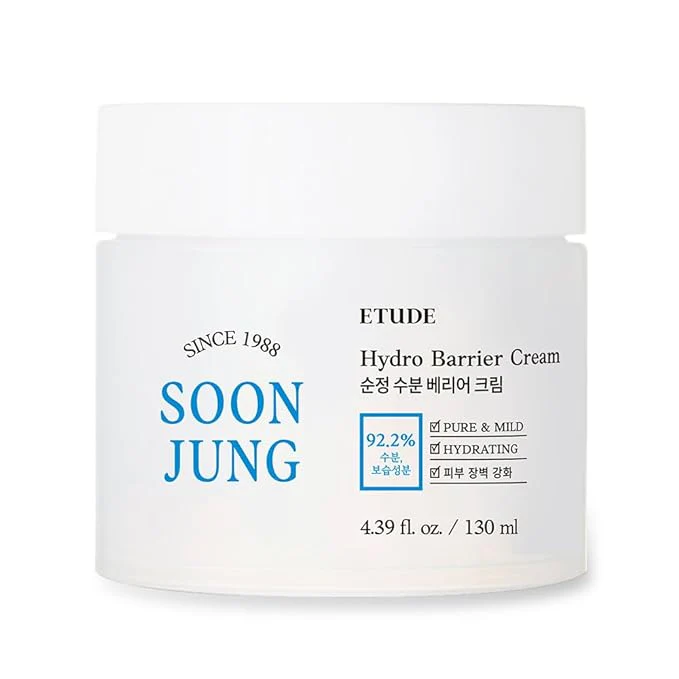
Why it’s great:
Formulated with a low-irritant, hypoallergenic recipe, this cream is ideal for people with easily triggered skin. The Soon Jung line is known for soothing stressed-out skin.
Best for: Sensitive, reactive skin
Key Ingredients: Panthenol, Madecassoside, Shea Butter.
6. D’you In My Defence Barrier-Building Moisturiser
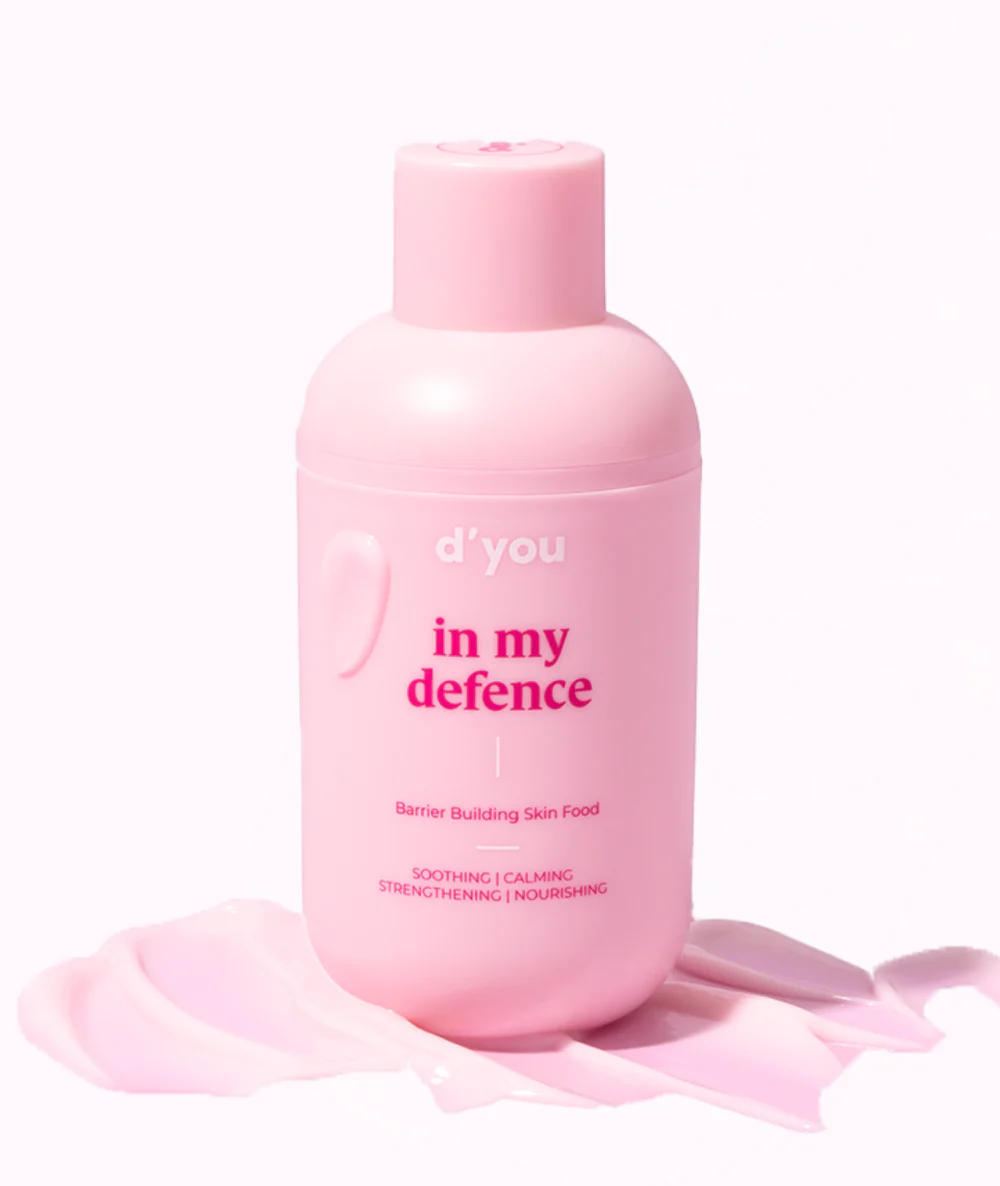
Why it’s great:
This Indian skincare brand has quickly gained cult status. “In My Defence” is designed to strengthen and nourish with a blend of ceramides, niacinamide, and cholesterol.
Best for: Damaged, barrier-compromised skin.
Key Ingredients: Ceramides Complex, Cholesterol, Niacinamide.
7. Dr. Jart+ Ceramidin Cream
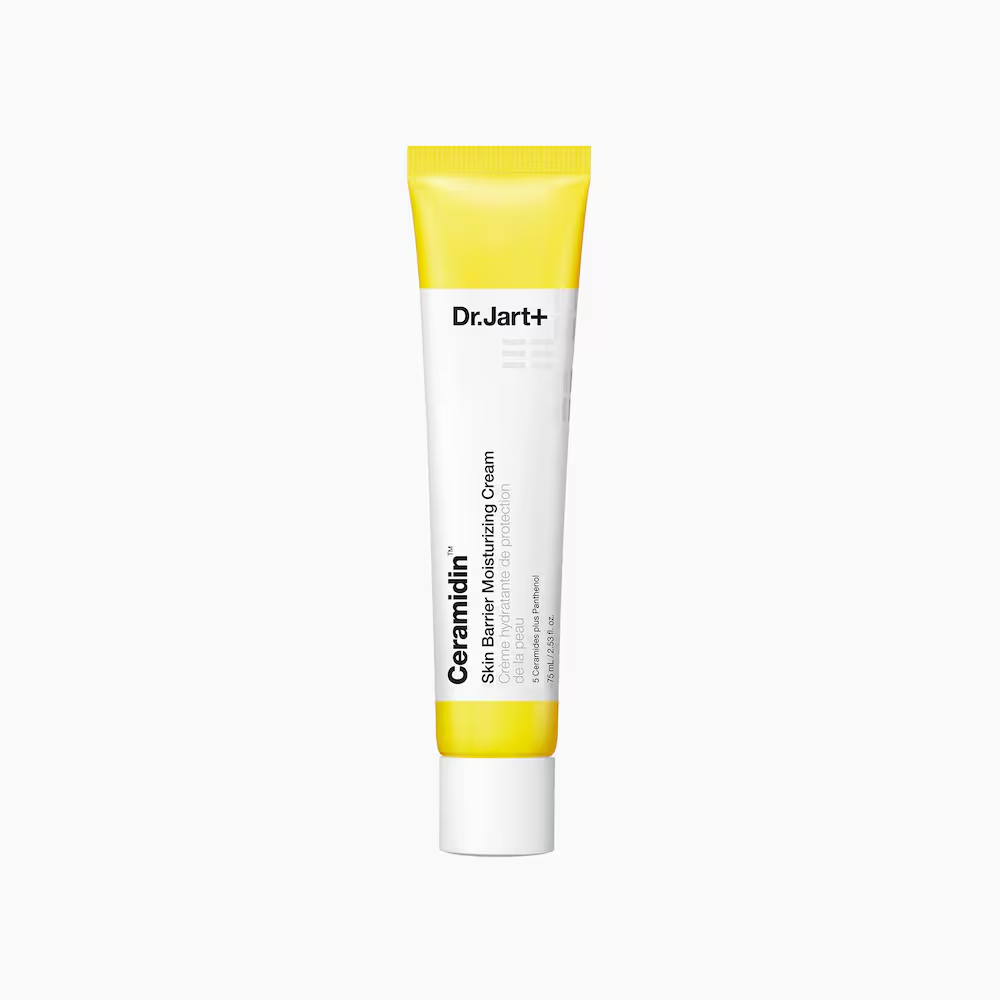
Why it’s great:
A cult favorite in K-beauty, this moisturiser delivers an intense boost of hydration while reinforcing your skin’s natural barrier.
Best for: Dry, dehydrated skin
Key Ingredients: Ceramide NP, Panthenol, Glycerin.
8. Axis-Y Panthenol Soothing Cream
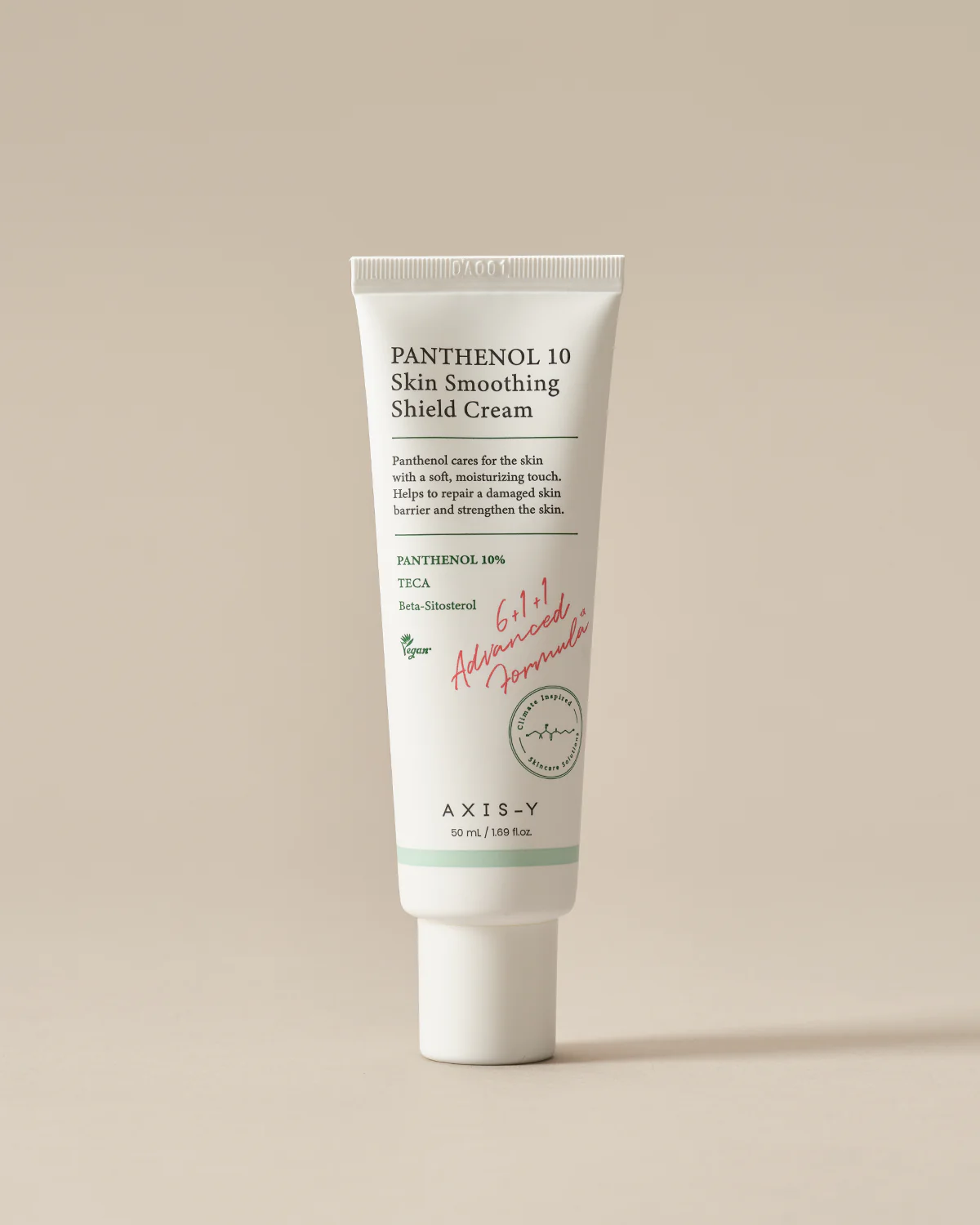
Why it’s great:
This cream combines oats (for soothing) with ceramides (for repair). It’s lightweight but effective, especially for Indian skin exposed to pollution and stress.
Best for: Sensitive and inflamed skin
Key Ingredients: Ceramides, Oat Extract, Hyaluronic Acid.
9. Cosrx Comfort Ceramide Cream
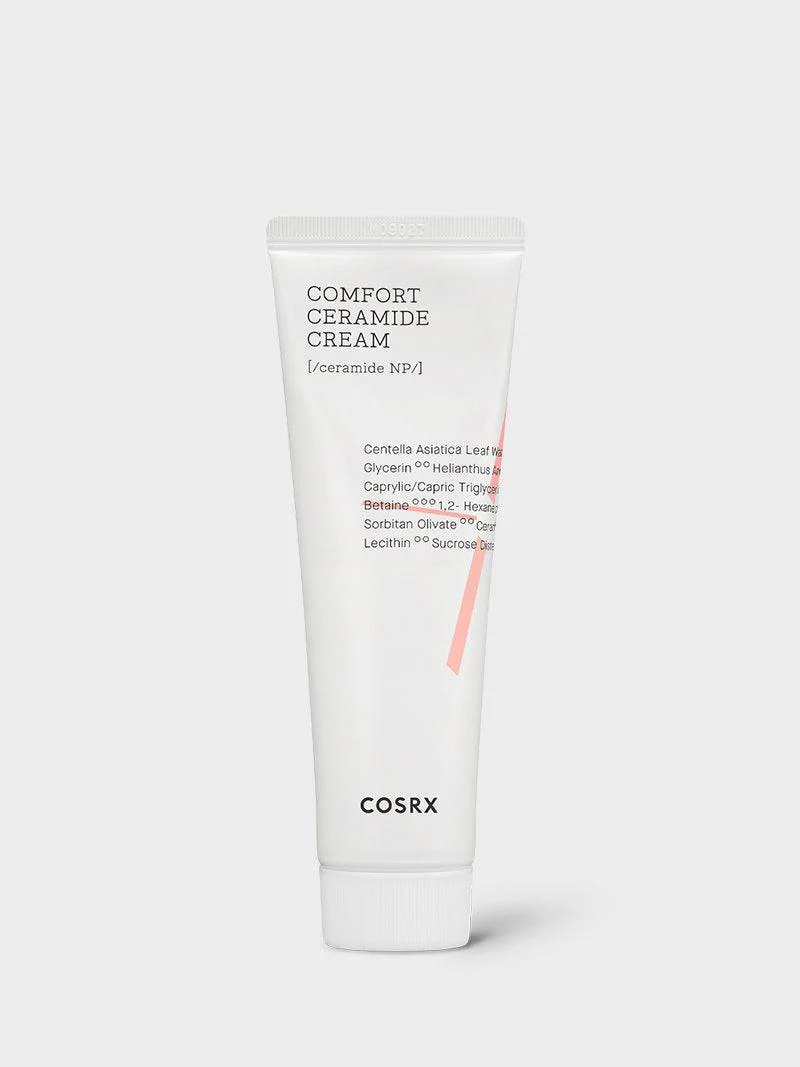
Why it’s great:
This effective moisturiser balances skin’s pH while boosting hydration with hyaluronic acid. Perfect for daily use.
Best for: Normal to dry skin, Mild barrier damage
Key Ingredients: Hyaluronic Acid, Ceramides, Panthenol.
10. Avène Cicalfate Restorative Cream
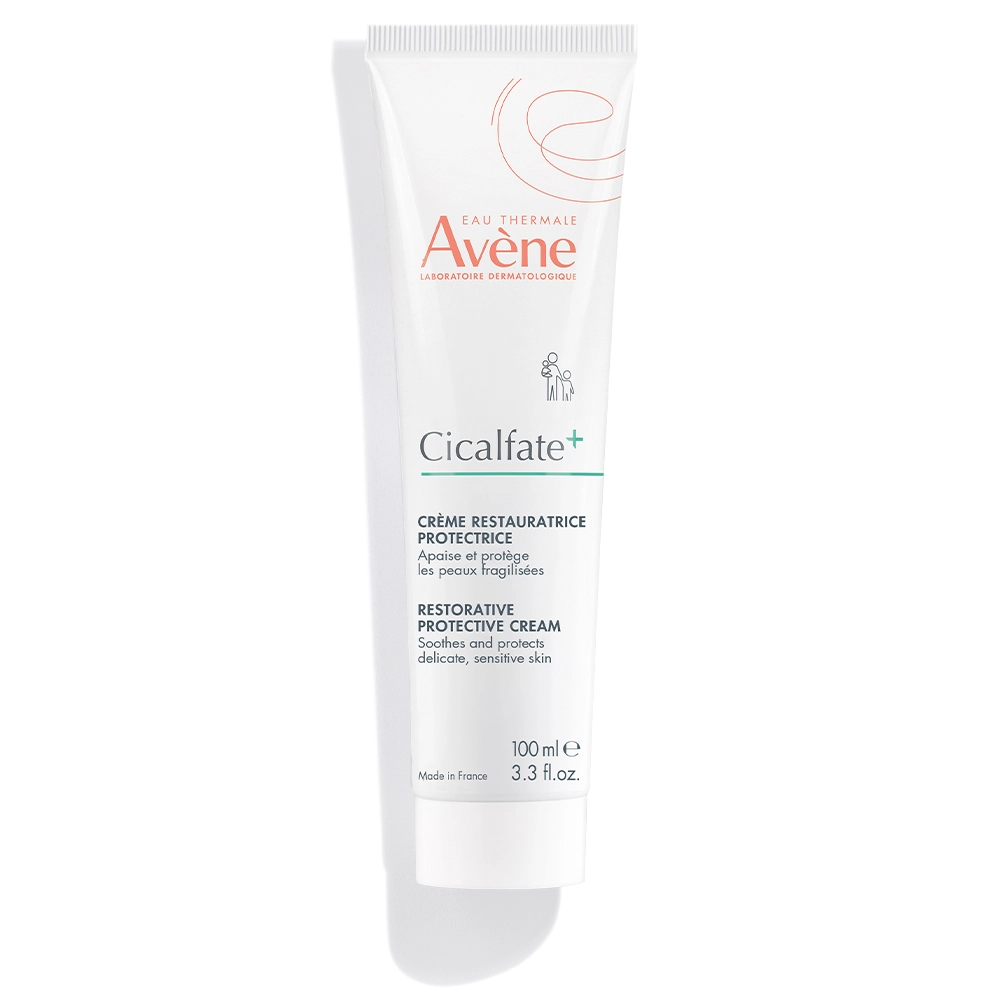
Why it’s great:
A French pharmacy staple, Avène’s Cicalfate is formulated with soothing minerals and thermal spring water to calm, protect, and repair damaged skin.
Best for: Compromised or irritated skin, Post-procedure recovery.
Key Ingredients: Sucralfate, Copper-Zinc Complex, Avène Thermal Spring Water.
How to pick a barrier repair cream:
When your skin barrier is damaged, your skin feels tight, burning, flaky, sensitive, and breakouts suddenly react to everything. That’s because your “moisture shield” (aka the skin barrier) isn’t working the way it should.
A good barrier repair moisturiser is like a builder for your skin; it seals cracks, strengthens the foundation, and keeps the bad stuff out while locking the good stuff in.
But with hundreds of products yelling “repair barrier”, how do you pick the right one?
Let’s break it down in the simplest way possible.
| If your skin feels | Likely issue | Best formula |
|---|---|---|
| Super dry, tight, flaky | Lack of natural oils/lipids | Rich creams with ceramides + fatty acids |
| Burning, stinging, red | Irritation & Redness | Soothing formulas with panthenol + centella |
| Congested, acne-prone | Weak barrier + clogged pores | Gel-cream textures |
| Peeling from actives (retinoids/AHA/BHA) | Over-exfoliation | Calming moisturisers |
Quick test: If every product stings when applied, your skin barrier needs urgent repair.
Quick Ingredient Guide (what to look for)
- Ceramides — essential for rebuilding the barrier.
Panthenol (B5) — soothes and hydrates.
Niacinamide — strengthens barrier, regulates oil.
Fatty acids/cholesterol — restore the lipid mix.
Humectants (glycerin, hyaluronic acid) — draw water into skin.
Occlusives (squalane, petrolatum, dimethicone) — lock it all in.
A good barrier repair cream usually combines at least two categories above.
Final Thoughts: Choosing the right barrier repair moisturiser
Barrier repair is not one-size-fits-all. Your choice of moisturiser depends on your skin type and concerns:
Dry & flaky skin: Go for richer options like La Roche Posay Cicaplast.
Oily/combination skin: Lightweight picks like Axis-Y Panthenol Cream, Formula RX, or Dr. Althea work best.
Very sensitive skin: Etude Soon Jung or Avène Cicalfate are ideal.
Post-treatment healing: La Roche-Posay Cicaplast is a must-have.
Remember, consistency is key. Pair your barrier repair moisturiser with a gentle cleanser and daily sunscreen for best results. Within weeks, you’ll notice reduced sensitivity, better hydration, and a healthier glow.
A moisturiser is just one piece of the puzzle. For a complete routine, check out our guide on How to Repair Your Skin Barrier.
Look for Proven Barrier-Building Ingredients:
A good formula should contain at least two of these:
| Star Ingredient | What it does | Who needs it |
|---|---|---|
| Ceramides | Rebuilds barrier “cement” | All skin types |
| Cholesterol | Strengthens and stabilises skin layers | Mature & weakened barriers |
| Fatty acids | Adds moisture — keeps barrier flexible | Dry, dehydrated skin |
| Panthenol (Vitamin B5) | Soothes irritation + speeds repair | Red, reactive skin |
| Niacinamide | Reduces inflammation + supports barrier lipids | Acne-prone or oily |
| Squalane | Lightweight replenishing oil | All skin types |
| Hyaluronic Acid | Attracts & holds hydration | Dehydrated skin |
| Madecassoside / Centella | Calming + anti-redness | Sensitised skin |
Golden combo: Ceramides + Cholesterol + Fatty Acids
Pick the right texture for your skin type:
| Skin Type | Best Moisturiser Texture | Avoid |
|---|---|---|
| Oily/Combination | Lightweight gel-cream | Heavy occlusive balms |
| Dry/Very Dry | Rich creams or balms | Water-only gels |
| Sensitive | Minimal ingredient list | Strong fragrance/essential oils |
| Acne-prone | Lightweight yet hydrating moisturisers | Thick creams |
Fragrance-Free = Barrier-Friendly
Harsh fragrance and essential oils can trigger:
- Redness
- Burning
- Dermatitis flare-ups
If your barrier is already suffering, avoid perfumes for a while.
Look for labels:
“Fragrance-free”
“Hypoallergenic”
“Sensitive skin safe”
Avoid Actives Until Barrier is Repaired
Even though ingredients like retinol and AHA/BHA are great, don’t use actives until your barrier is restored.
Don’t pick a barrier moisturiser that includes: Retinoids, Vitamin C, Strong exfoliating acids.
Patch Test (Your Skin Will Thank You). When your barrier is broken, skin can react to literally anything.
Do this:
Apply a small amount near the jawline
Wait 24–48 hours
Redness/itching? → Not for you
Quick Shopping Checklist:
Before you buy, run through this list:
Ceramides or barrier lipid trio
No strong fragrance
Texture suits your skin type
Non-comedogenic (if acne-prone), but don’t completely rely on the “non-comedogenic” term
Reviews claim “soothing”, “heals barrier”, “stops burning”, “calms irritation”
If a product ticks 4 out of 5, it’s a good barrier pick.
Still confused? Choose based on your situation:
| Concern | What to pick |
|---|---|
| On retinoids + peeling | Thicker ceramide cream |
| Post-procedure/sunburn | Panthenol & centella formulas |
| Acne-prone barrier damage | lightweight gel-cream |
| Fungal acne-prone | Squalane-based simple creams |
| Winter barrier breakdown | Rich occlusive moisturiser |
Final Thoughts:
A damaged barrier doesn’t heal overnight, so be patient.
With the right moisturiser, you’ll usually see:
Less stinging in 3–5 days
Hydration improvement in 1–2 weeks
Barrier repair in 4–8 weeks
The right moisturiser should feel like a hug for your skin- calming, comforting, and never burning.
Mistakes That Delay Barrier Healing
Many people unknowingly sabotage their progress. Avoid these common errors:
Using too many products
More layers ≠ faster repair. Overloading the skin increases sensitivity.
Switching moisturisers too often
Stick to one barrier cream for at least 2–3 weeks.
“Skin cycling” while barrier is damaged
Advanced routines are great — after the barrier is healthy.
Ignoring ingredient lists
Just because a product claims “barrier repair” doesn’t mean it’s suitable for compromised skin.
When to see a dermatologist
If your skin shows persistent cracks, bleeding, severe itching, or signs of infection, consult a dermatologist. These creams help most everyday barrier damage, but a professional can prescribe targeted treatments when needed.
Which one to pick?
- For intensive overnight repair: La Roche-Posay Cicaplast or Avène Cicafilate.
For daily lightweight repair: COSRX Ceramide Cream, Axis-Y Panthenol, Etude Soong Jung Hydro Barrier Cream.
For very dry or eczema-prone skin: Bioderma Atoderm, Dr. Jart+ Ceramidin.
For sensitive/reactive skin: Etude House SoonJung, Formula RX Barrier Relief, Axis-Y Panthenol Cream, Avene Cicafilate, Dr.Jart Ceramidin Cream.
For multi-benefit barrier repair: Dr. Althea 345 Cream, D’You In My Defence.
How Long Does Barrier Repair Actually Take?
Barrier repair is not instant, even if redness calms quickly. Understanding timelines prevents overusing products or switching too fast.
Typical healing timeline
3–5 days:
Burning, stinging, and reactivity reduce1–2 weeks:
Flaking decreases, hydration improves4–6 weeks:
Barrier function normalises6–8 weeks:
Skin becomes more resilient and tolerant
If irritation persists beyond 6–8 weeks despite a gentle routine, it’s time to consult a dermatologist.
Final thoughts
Repairing your skin barrier is mostly about patience, consistency, and the right ingredients. A well-chosen barrier repair cream can calm irritation, reduce sensitivity, and make everything else in your routine work better. Start with one trusted product from the list above, simplify your routine, and give your skin a few weeks to recover.
Healing a damaged skin barrier is one of the most rewarding skincare journeys, but it requires patience. The right moisturiser, used consistently, can transform reactive, uncomfortable skin into calm, resilient skin that finally feels balanced again.
Instead of chasing trends, focus on barrier health first. When your barrier is strong, everything else in your routine works better, from hydration to acne control to long-term skin aging.
Your skin doesn’t need more products. It needs the right support, at the right time.
If you want, I can help you pick the best option based on your skin type and current routine. Tell me if you’re oily, dry, combination, or have eczema/rosacea and any actives you’re using now. You can email us- glowwithfaceo@gmail.com
External sources:
FAQs
1. How do I know if my skin barrier is damaged?
If your skin burns when applying basic products, feels tight after cleansing, flakes despite moisturising, or breaks out suddenly, your barrier is likely compromised.
2. Can oily skin have a damaged barrier?
Yes. Oily skin can still be dehydrated and barrier-impaired. In fact, excessive oil production is often a response to barrier damage.
3. Should I stop all actives during barrier repair?
Yes, temporarily. Pause retinoids, exfoliating acids, vitamin C, and strong treatments until your skin feels calm and resilient again.
4. Can I use makeup while repairing my barrier?
Light makeup is fine, but avoid heavy matte formulas, long-wear bases, and aggressive makeup removal.
5. Is tingling normal when applying a barrier cream?
No. A good barrier repair cream should never sting or burn. If it does, discontinue use.
6. Can barrier repair creams clog pores?
Only if the texture doesn’t suit your skin type. Oily and acne-prone skin should choose gel-creams or lightweight lotions.
7. How many times a day should I apply a barrier cream?
Usually twice daily.
8. Can barrier repair creams fix acne scars?
No. They improve skin health and texture but won’t treat deep scars. However, a healthy barrier helps other treatments work better.
9. Is fragrance really that bad?
For compromised skin, yes. Fragrance increases the risk of irritation and slows barrier healing.
10. When should I see a dermatologist instead of self-treating?
If you experience cracking, oozing, infection signs, or no improvement after 6–8 weeks, seek professional care.
Disclaimer
This article is based on my personal experience and research, and is meant for informational purposes only. Everyone’s skin is different; what works for one person might not work for another.
This post is not sponsored (unless mentioned otherwise) and should not replace professional skincare or dermatological advice. Always patch-test new products and consult a dermatologist if you have specific skin concerns or conditions.
Some links in this post may be affiliate links, which means I might earn a small commission if you purchase through them, at no extra cost to you. This helps support my blog and allows me to continue sharing honest skincare reviews and guides.
If you found this post helpful, don’t forget to share it with your friends.
And remember, you don’t have to fix every little thing. Healing your barrier takes time, and your skin is beautiful at every stage of the journey.