Table of Contents
Introduction
Dark circles are one of the most common concerns. Whether they’re caused by genetics, lack of sleep, aging, or lifestyle habits, the right eye cream can make a huge difference.
In this ultimate guide, we explore the 15 best eye creams for dark circles, break down their active ingredients, explain which type of dark circles they target, and help you choose the right one based on your needs.
15 Best Eye Creams
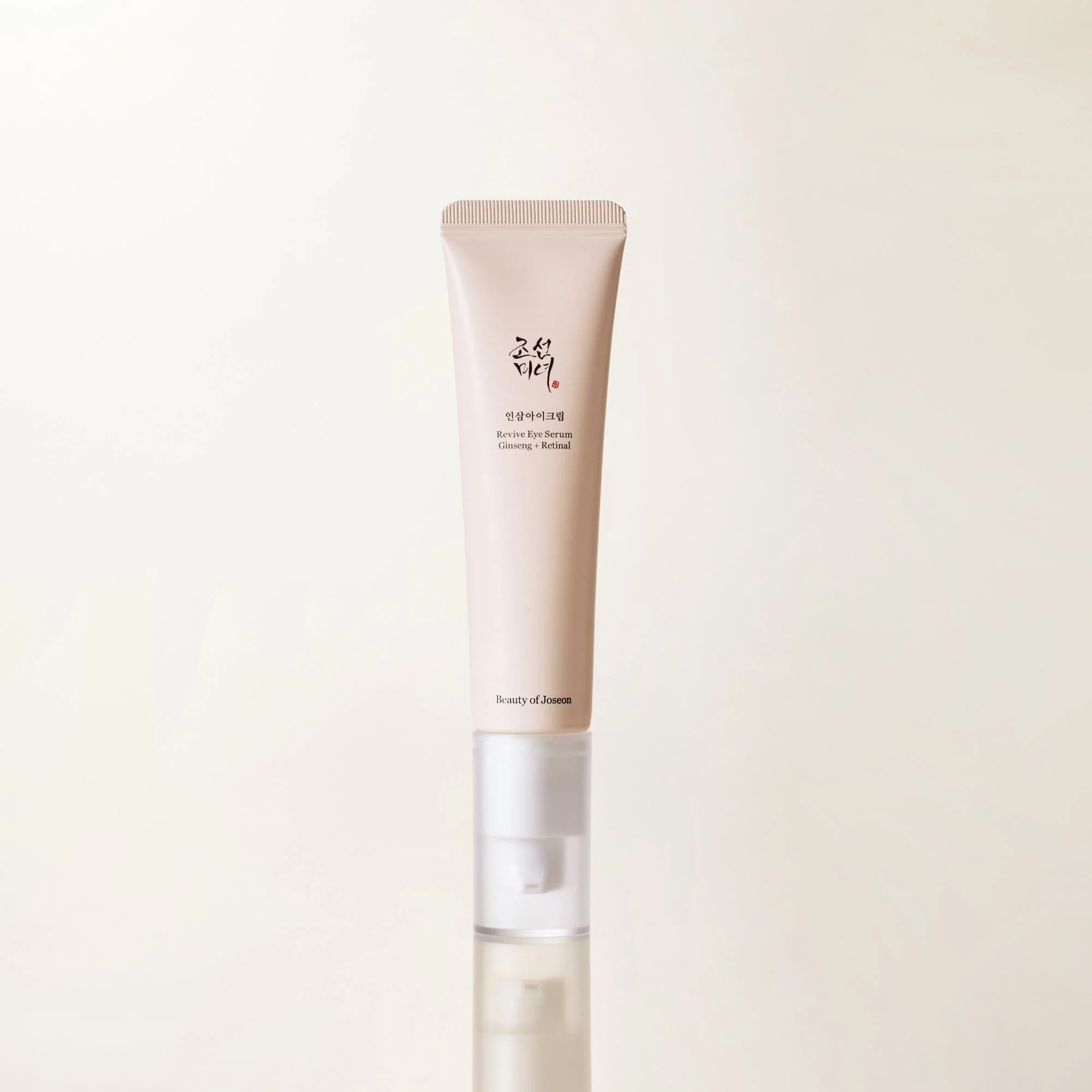
1. Beauty of Joseon Retinal Eye Cream
Key Ingredients:
Retinal 2%, Ginseng extract, Niacinamide
What it does:
Retinal is a powerful anti-aging form of Vitamin A that boosts collagen, smooths fine lines, and improves uneven tone. Ginseng helps quickly supply moisture to the skin, and niacinamide helps brighten the under-eye area.
Best For:
Dark circles
Fine lines & wrinkles
Dark Circle Type Targeted:
Shadowy hollowness, wrinkles and fine lines, mild pigmentation
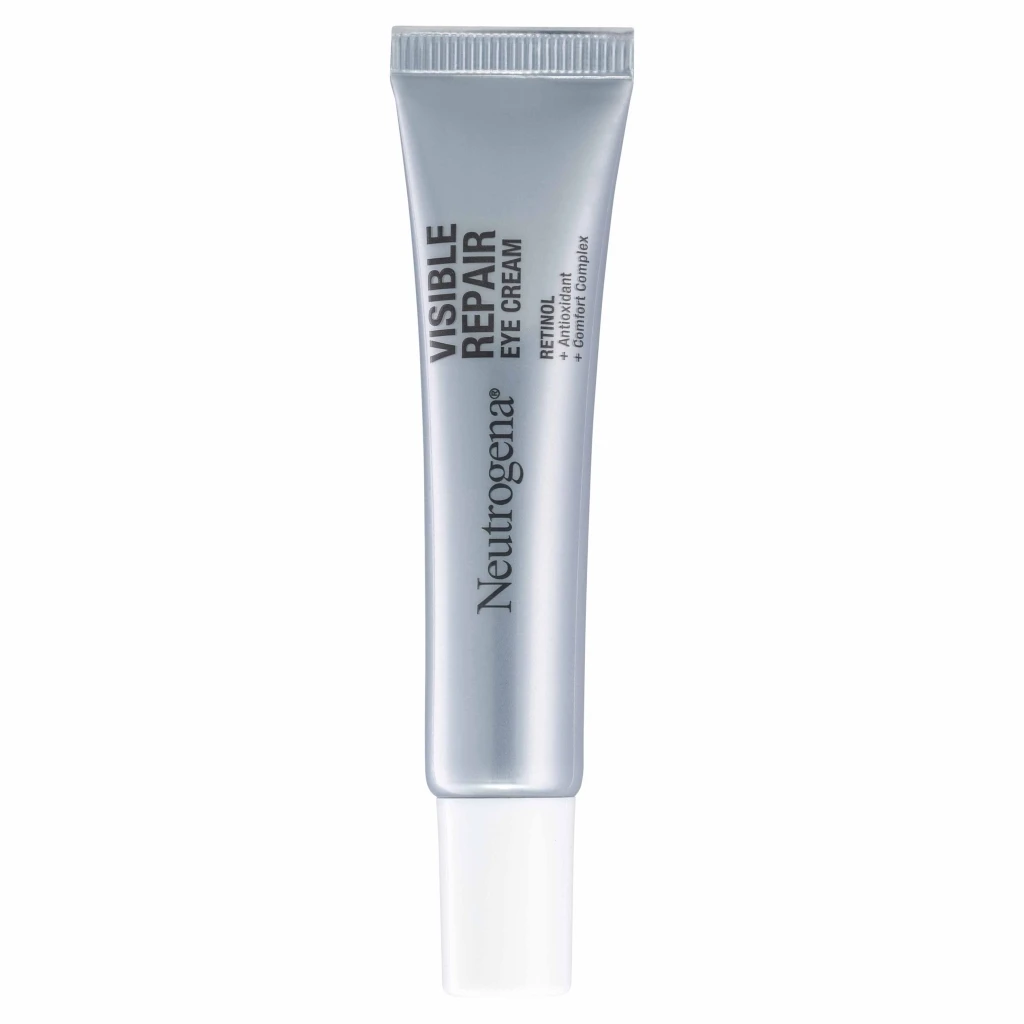
2. Neutrogena Visible Repair Eye Cream
Key Ingredients:
Retinol, Peptides, Comfort Complex
What It Does:
Targets fine lines and pigmentation while strengthening the under-eye skin barrier.
Best For:
Wrinkles
Pigmentation
Uneven tone
Dark Circle Type Targeted:
Pigmentation, fine lines & wrinkles.
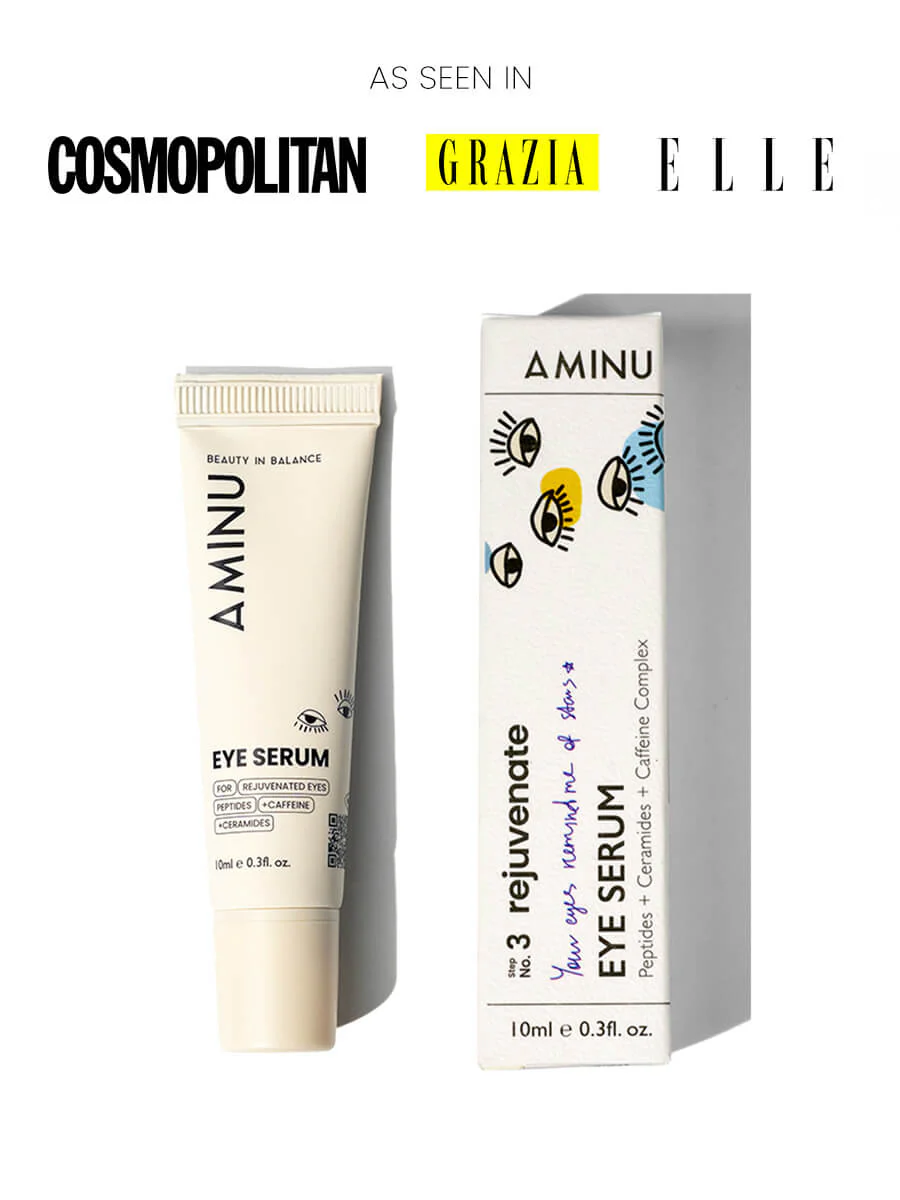
Key Ingredients:
Peptide Complex, Ceramides, Caffeine, Niacinamide
What It Does:
A luxurious cream that firms, smooths texture, and brightens dull under-eyes. Peptides boost elasticity while Vitamin C fights pigmentation.
Best For:
Dark circles
Puffiness
Wrinkles & fine lines
Dark Circle Type Targeted:
Pigmentation, fine lines, wrinkles, puffiness.
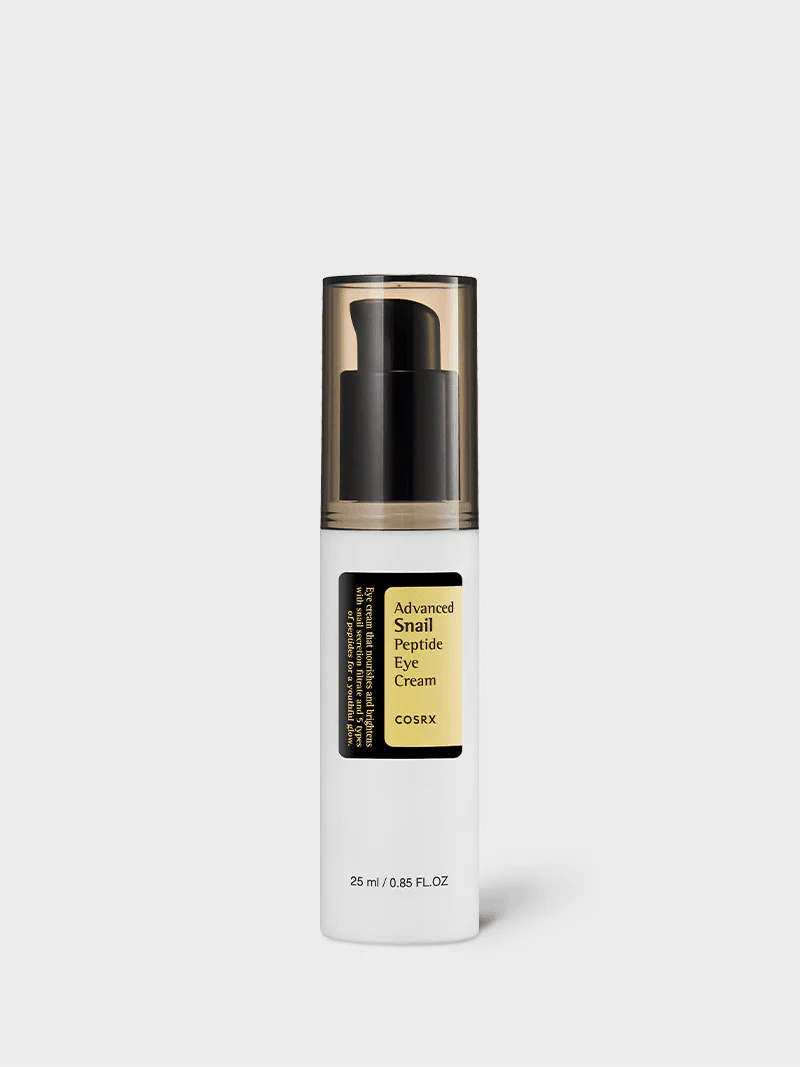
Key Ingredients:
Snail Secretion Filtrate, 5 Peptide Complex Niacinamide
What it does:
Hydrates intensely while peptides help strengthen thin under-eye skin. It’s soothing, super glowy, and great for tired eyes.
Best For:
Dehydrated skin
Blue/veiny dark circles
Puffy eyes
Dark Circle Type Targeted:
Blue/purple darkness, Dry under-eye area
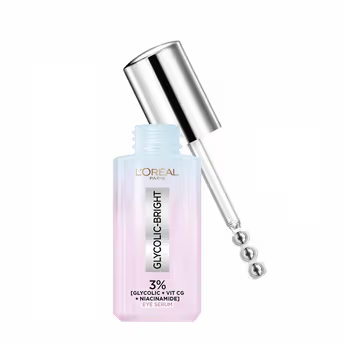
Key Ingredients:
Glycolic Acid, Niacinamide, Vitamin CG
What It Does:
Gently exfoliates and smooths the delicate under-eye area while boosting radiance. Helps improve skin texture, refine fine lines, and promote a visibly brighter, more even-toned under-eye area.
Best For:
Crepey under-eye texture
Loss of firmness and elasticity
Dull, tired-looking eyes
Dark Circle Type Targeted:
Structural dark circles
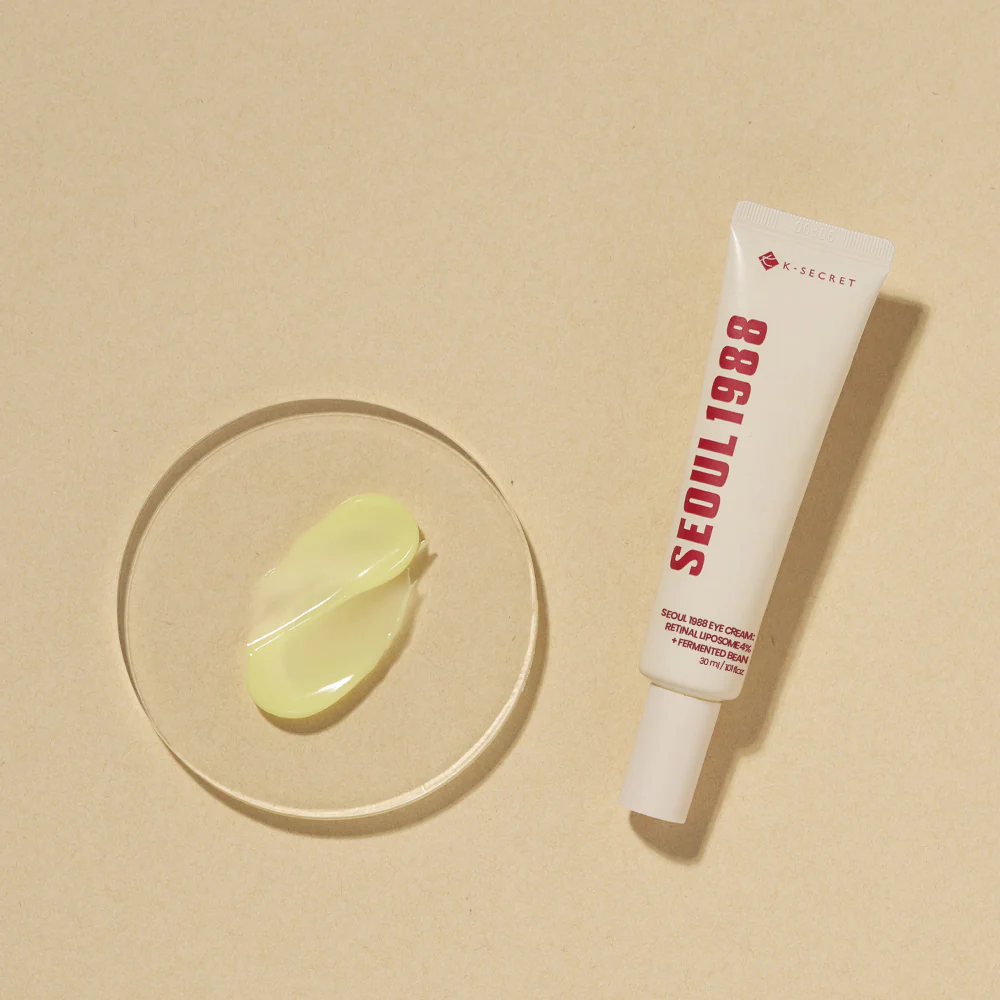
Key Ingredients:
Retinal Liposome, Bakuchiol, Vitamin C, Vitamin E, Peptides
What It Does:
Strengthens the skin barrier while offering a potent anti-aging effect through retinal and peptides.
Best For:
Texture
Wrinkles
Pigmentation
Dark Circle Type Targeted:
Dark circles, under-eye dryness, fine lines, and wrinkles.
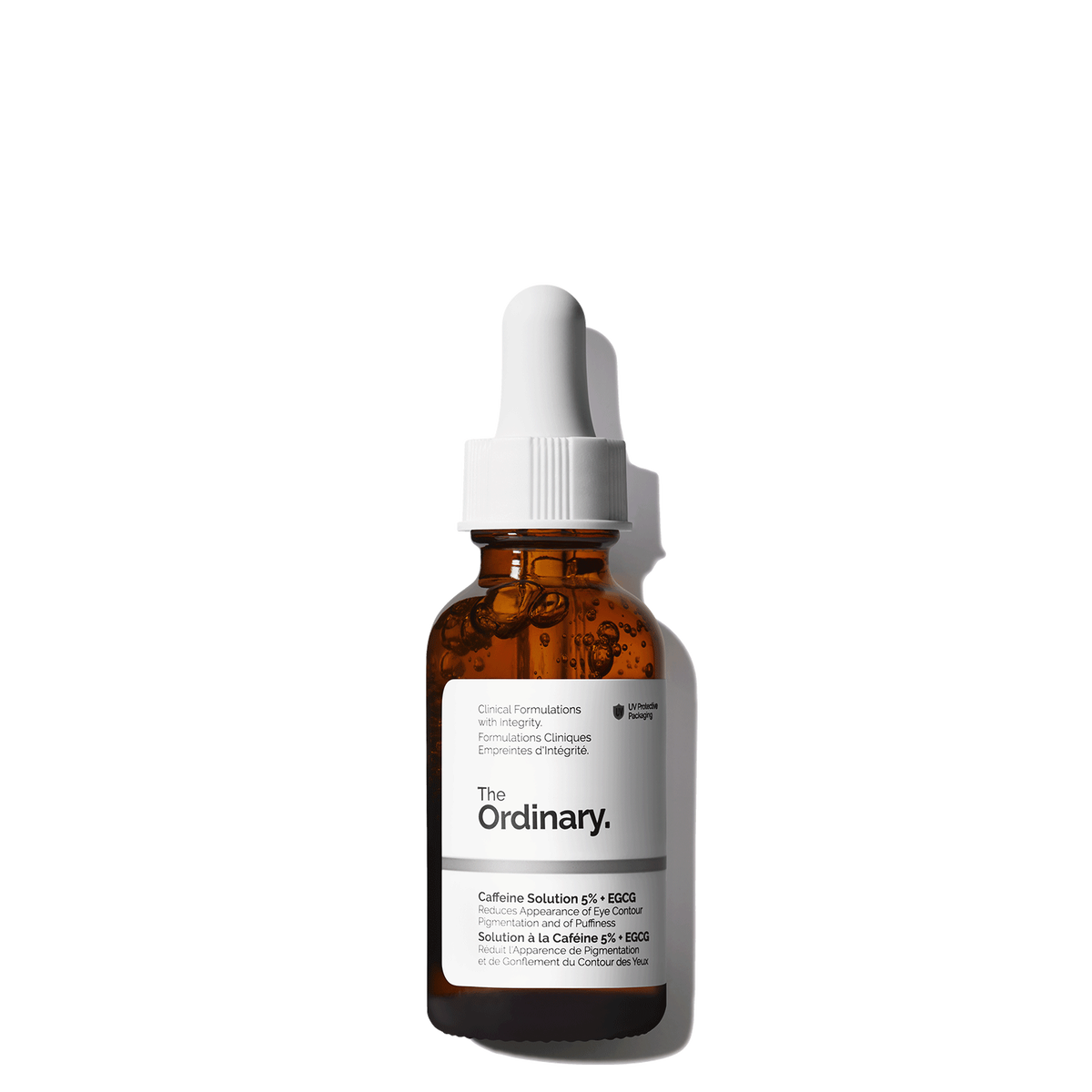
Key Ingredients:
Caffeine 5%, EGCG
What It Does:
Reduces puffiness and improves vasculature-related darkness.
Best For:
Puffy eyes
Under-Eye pigmentation
Dark Circle Type Targeted:
Dark circles, Puffiness
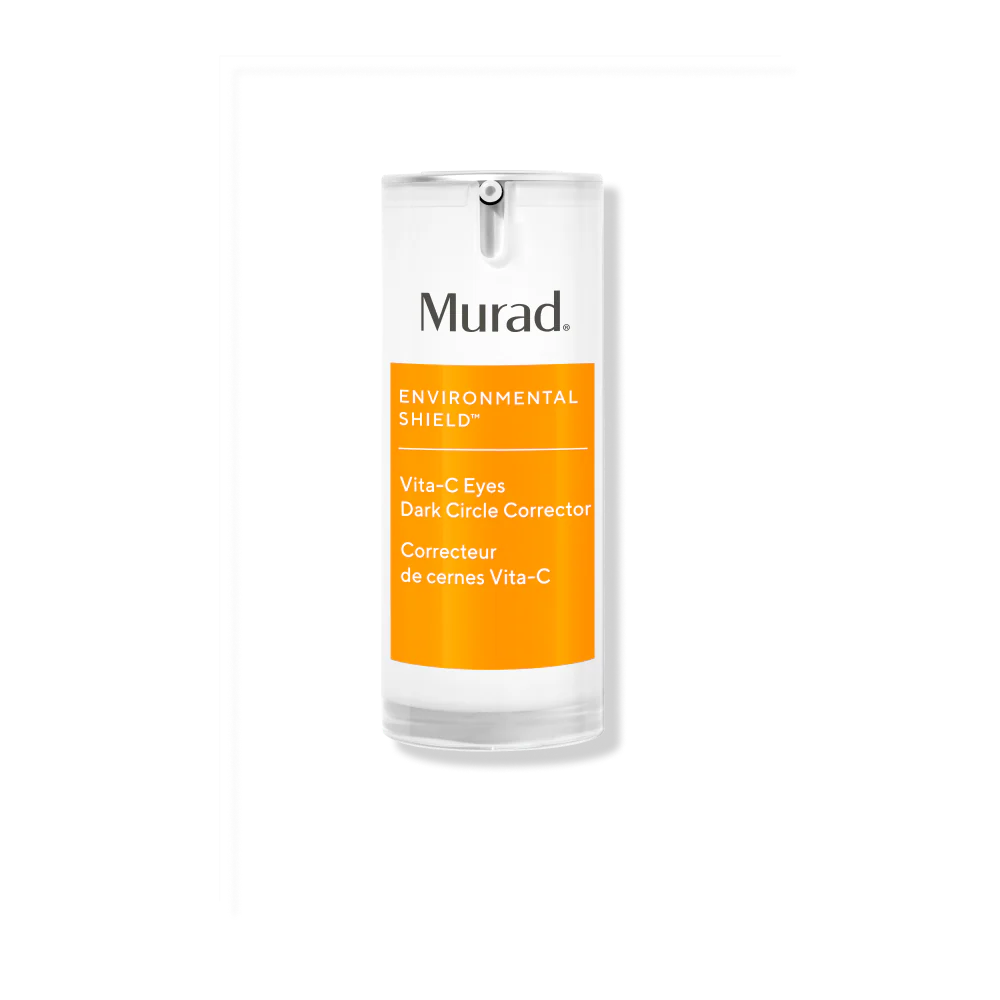
Key Ingredients:
Gold-stabilized Vitamin C, Red & Brown Algae extracts, Light-reflecting micro minerals, Cucumber extract
What It Does:
Brightens instantly while improving pigmentation over time— one of the strongest Vitamin C eye creams.
Best For:
Dark circles
Dullness
Tired eyes
Dark Circle Type Targeted:
Brown pigmentation, discoloration, wrinkles
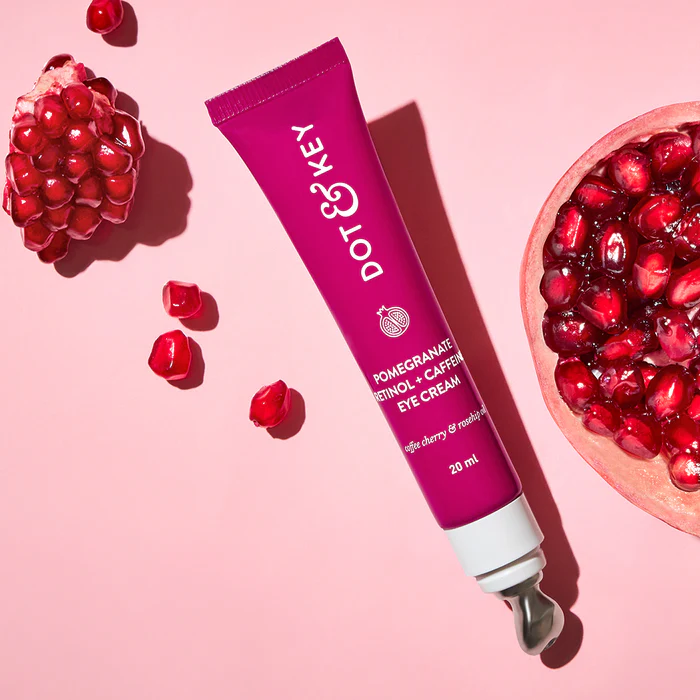
Key Ingredients:
Pomegranate Retinol, Caffeine, Coffee cherry, Rosehip Oil
What It Does:
Gently resurfaces skin at night while strengthening the barrier.
Best For:
Fine lines
Uneven tone
Dehydration
Dark Circle Type Targeted:
Pigmentation, shadowing from wrinkles, puffiness
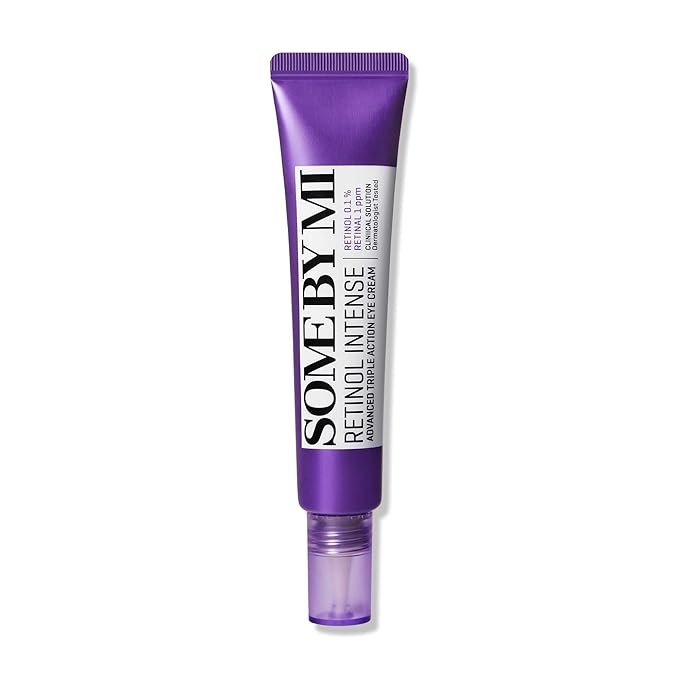
Key Ingredients:
Retinol, 1 PPM Retinal, Niacinamide
What It Does:
A strong triple-action formula that reduces wrinkles, fades discoloration, and smooths crepey under-eyes.
Best For:
Wrinkles
Pigmentation
Mature skin
Dark Circle Type Targeted:
Pigmentation, Fine lines, wrinkles
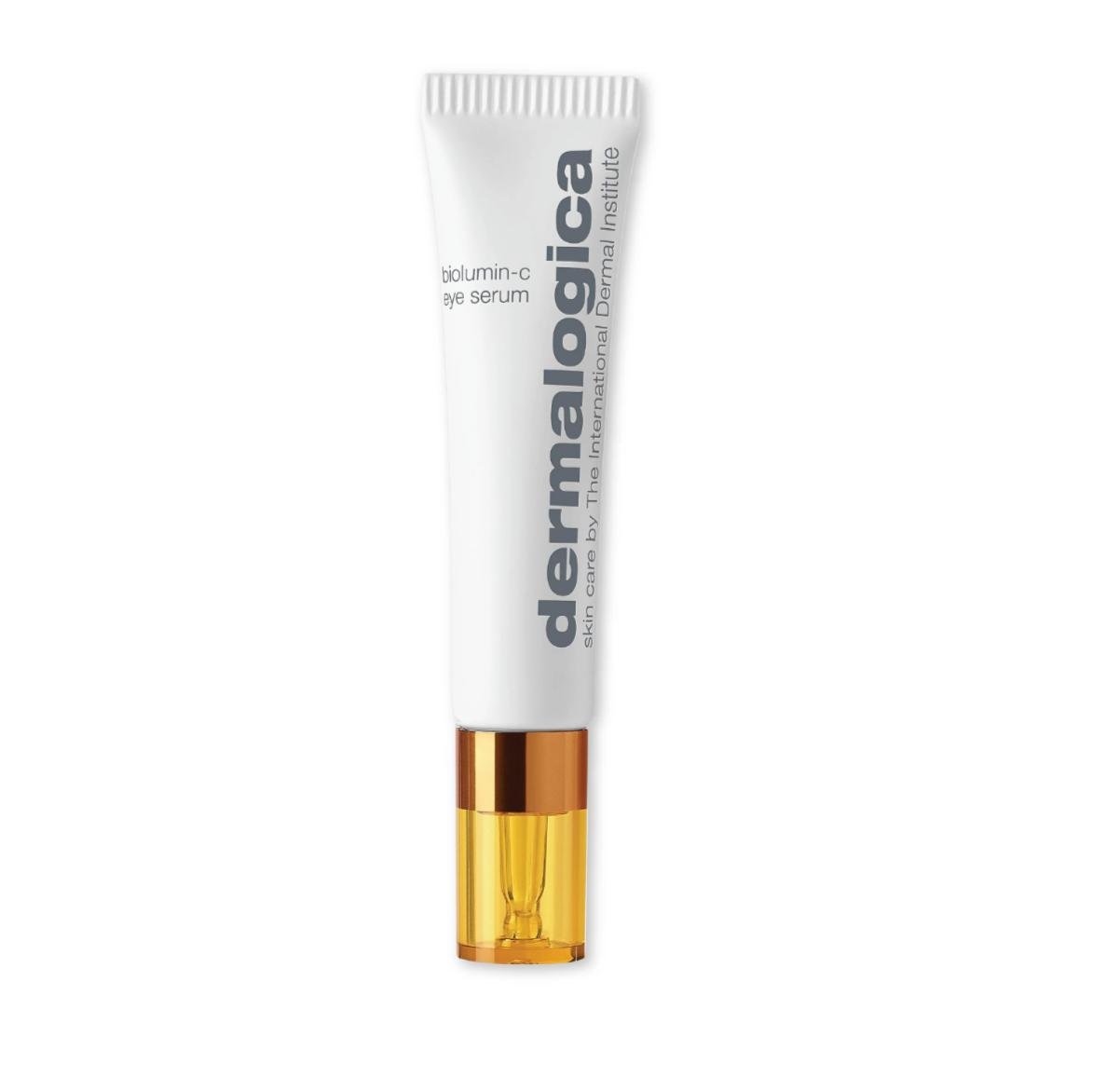
Key Ingredients:
Vitamin C complex, Peptides, Chia Seed Oil
What It Does:
Gently exfoliates, brightens, and firms. A luxury option for intense dullness and pigmentation.
Best For:
Mature skin
Brown circles
Dark, uneven tone
Dark Circle Type Targeted:
Pigmentation, Texture-related shadowing
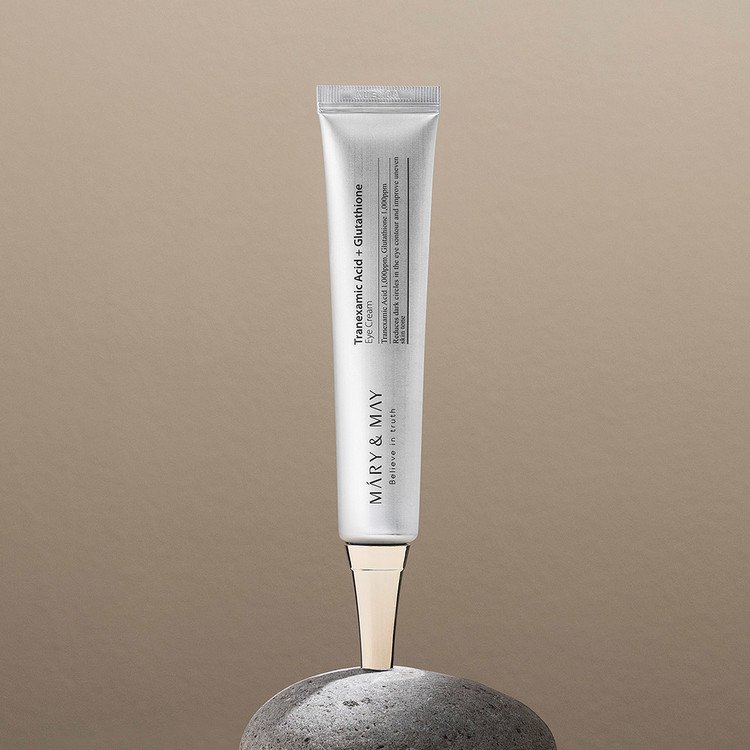
Key Ingredients:
Tranexamic acid, Glutathione
What It Does:
Targets stubborn pigmentation, especially brown dark circles caused by melanin.
Best For:
Brown pigmentation
Uneven tone
Sun damage
Dark Circle Type Targeted:
Brown, deep pigmentation
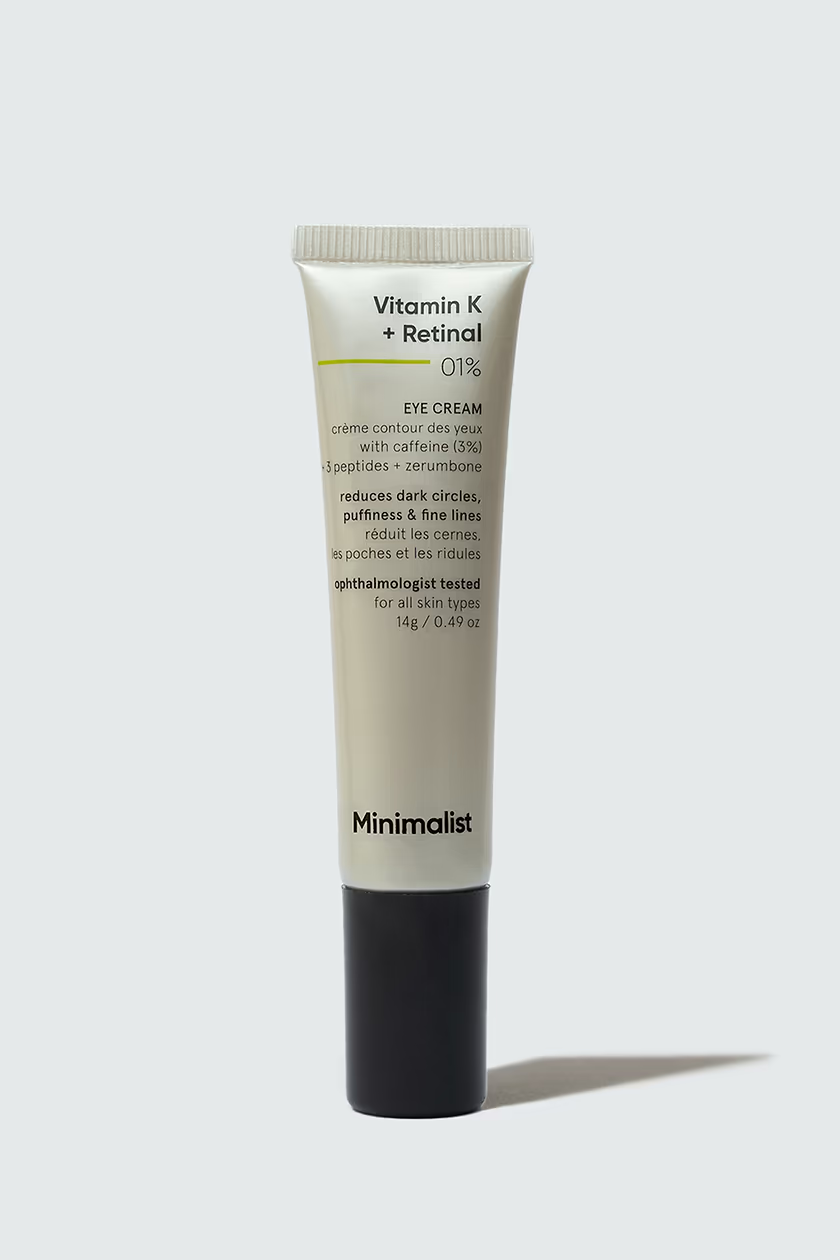
Key Ingredients:
Vitamin K, Caffeine, Retinal
What It Does:
Vitamin K strengthens fragile capillaries, helping reduce dark circles that appear blue or purple. Caffeine depuffs and brightens, Retinal helps with fine lines & wrinkles.
Best For:
Dark circles
Puffiness
Thin skin
Dark Circle Type Targeted:
Vascular dark circles, Puffy eyes, fine lines & wrinkles
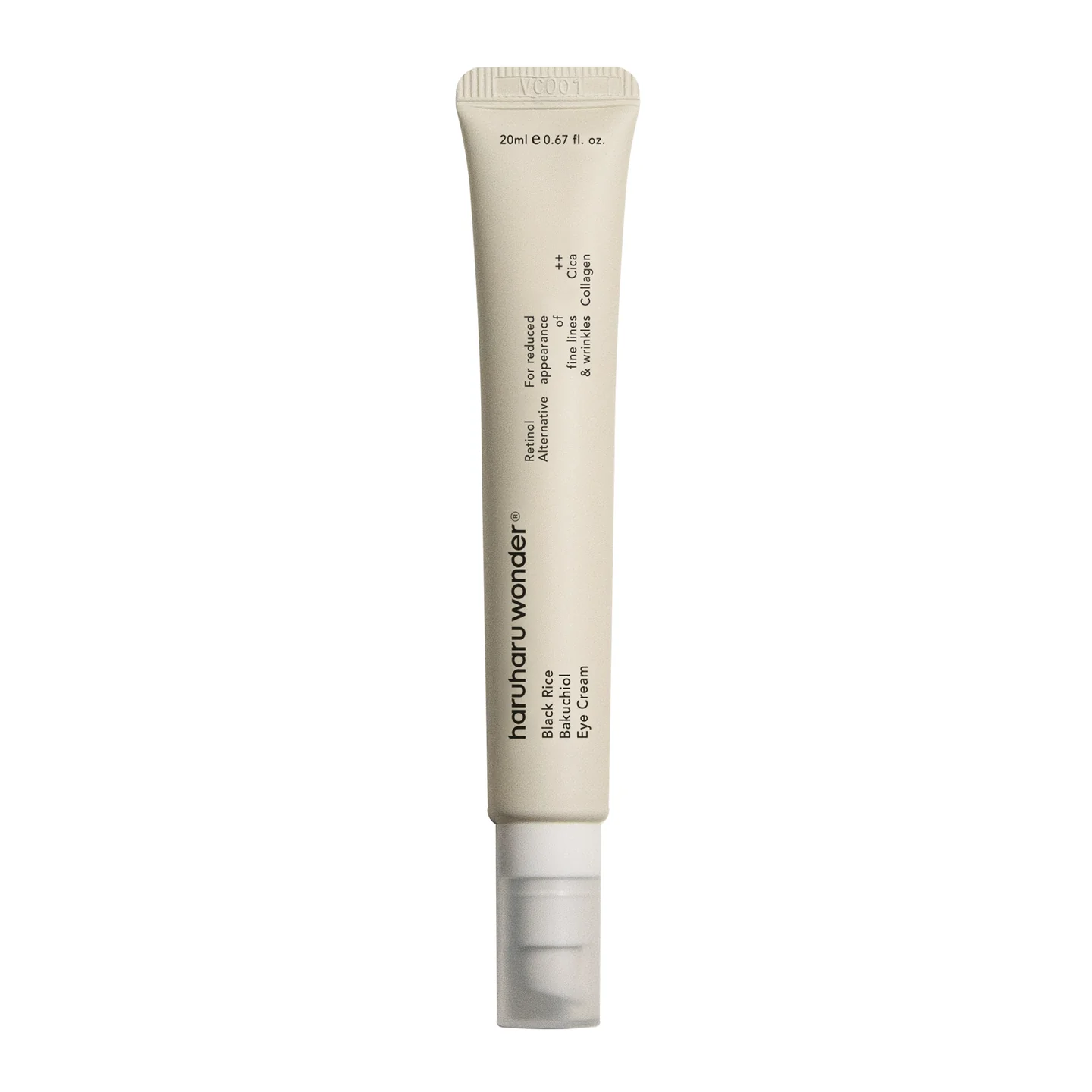
Key Ingredients:
Fermented black rice extracts, Bakuchiol, Fermented Bamboo Shoot Bark extracts, Adenosine, Madecassoside, Niacinamide
What It Does:
Brightens and hydrates with antioxidants that protect the delicate under-eye area from free-radical damage.
Best For:
Dull eyes
Dehydration
Early pigmentation
Dark Circle Type Targeted:
Pigmentation, dryness, dark circles
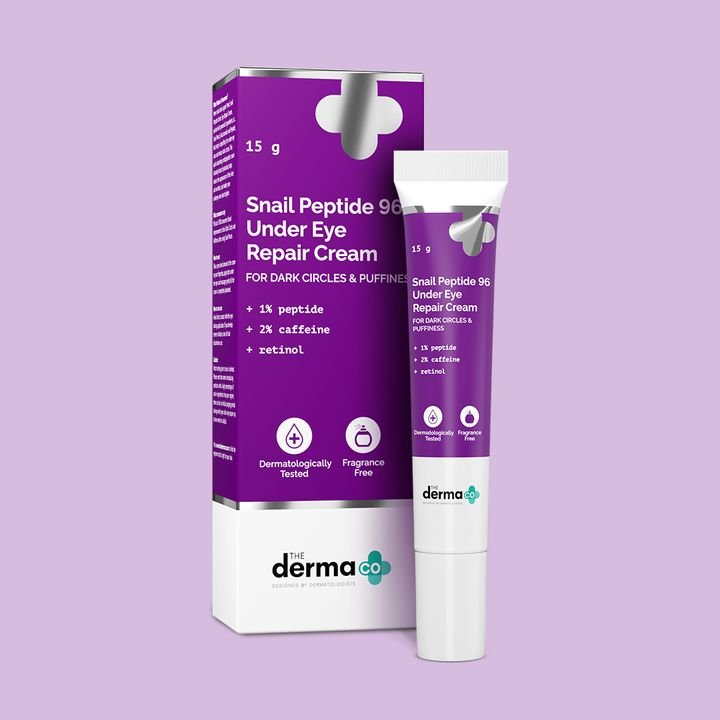
Key Ingredients:
Snail mucin, Peptide complex, Caffeine
What It Does:
Deeply hydrates, repairs, and smooths the delicate under-eye area. Snail mucin boosts moisture and strengthens the skin barrier, while peptides firm and reduce fine lines. Caffeine helps depuff, and niacinamide brightens uneven tone.
Best For:
Puffiness
Early fine lines
Uneven tone
Dehydrated under-eye skin
Dark Circle Type Targeted:
Puffiness, Pigmentation, fine lines, dryness
Types of Dark Circles & How to Identify Yours
- Brown / Pigmented
Caused by excess melanin, sun exposure, and genetics. Respond best to Vitamin C, Tranexamic Acid, and Niacinamide Blue/Purple (Vascular)
Thin skin + visible blood vessels
Respond best to Caffeine, Vitamin K, PeptidesHollow/Shadow-based
Volume loss, aging, and facial structure
Need collagen support, retinal, peptides (creams won’t fully fix this)Puffy dark circles
Fluid retention, allergies, salt
Caffeine, cold tools, lifestyle changes
Using the wrong eye cream for the wrong type of dark circle is the #1 reason people see no results.
How to Apply Eye Cream Correctly
Application technique matters more than people realize.
Correct method:
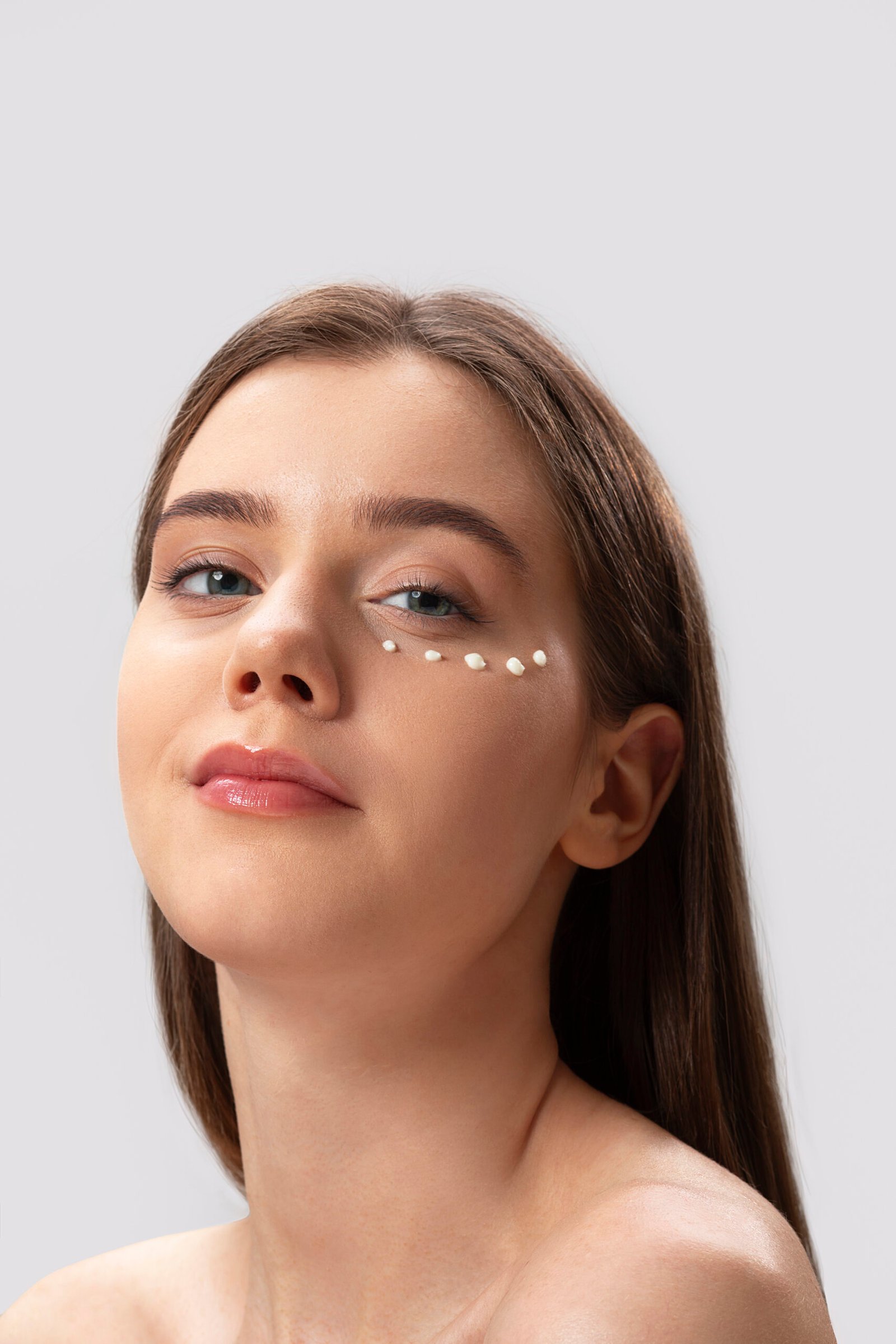
Take a rice-grain amount per eye
Dot along the orbital bone
Use ring finger (least pressure)
Gently tap, never rub
Let it absorb fully before layering
Avoid:
• Applying too close to the lash line
• Rubbing aggressively
• Using too much product
Why Eye Creams Work Differently Than Face Products
One of the most common mistakes people make is assuming that eye creams are just “tiny versions” of face moisturizers. In reality, eye creams are formulated very differently because the under-eye area has unique structural needs.
The skin under the eyes is:
• Around 40% thinner than facial skin
• Low in oil glands
• More prone to dehydration and creasing
• Constantly moving due to blinking and facial expressions
Because of this, eye creams are designed with:
• Lower-strength but targeted actives
• Smaller molecular sizes for better penetration
• Ingredients that won’t migrate into the eyes
• Lightweight textures to avoid milia and puffiness
This is why applying a strong face serum or heavy cream under the eyes can sometimes make dark circles worse instead of better.
A good eye cream focuses on improving the under-eye area.
The Role of Sunscreen in Treating Dark Circles
One reason many people don’t see results from even the best eye creams is the lack of sun protection around the eyes.
UV exposure worsens dark circles by:
• Increasing melanin production
• Breaking down collagen
• Thinning the under-eye skin
• Deepening shadows over time
If you’re using:
• Vitamin C
• Retinol / retinal
• Tranexamic acid
And if you skip sunscreen, your progress will be slow or nonexistent.
Tips:
• Use a sunscreen safe for the eye area
• Apply gently around the orbital bone
• Wear sunglasses outdoors
Sunscreen doesn’t just prevent new pigmentation, it allows your eye cream to actually work.
Why Dark Circles Look Worse With Age
As we age, dark circles tend to appear more prominent, even if our sleep and skincare routine stay the same. This happens because the under-eye area naturally loses collagen, fat, and elasticity over time. The skin becomes thinner, making blood vessels underneath more visible.
Additionally, age-related bone loss around the eye socket can create hollows and shadows, which often get mistaken for pigmentation-based dark circles. This is why brightening alone doesn’t always work, treatments that support firmness and structure are equally important.
Can Lifestyle Changes Reduce Dark Circles?
Yes, lifestyle habits have a big impact on dark circles under the eyes.
Small changes that may help:
Sleeping 7–8 hours consistently
Reducing salt intake to prevent morning puffiness
Managing screen time and eye strain
Staying well hydrated throughout the day
Lifestyle changes alone can have a noticeable impact on dark circles, but they work best alongside targeted eye care products.
Common Eye Cream Mistakes That Make Dark Circles Worse
- Using too much product
Rubbing instead of tapping
Applying too close to the lash line
Expecting instant results
Mixing strong actives (retinol + acids)
It’s important to be honest: eye creams have limits.
Eye creams cannot:
• Change bone structure
• Refill lost fat pads
• Permanently erase genetic dark circles
In cases of:
• Severe hollowness
• Deep tear troughs
• Genetic pigmentation
Dermatological treatments like:
• Fillers
• Laser therapy
• PRP
• Chemical peels (professional)
may be required for dramatic results.
That said, eye creams still play a crucial role in:
• Maintaining skin health
• Slowing progression
• Supporting post-treatment skin
Additional Tips To Reduce Dark Circles
Using rosehip oil every night under my eyes after my eye cream has truly made a big difference.
Rosehip oil is rich in essential fatty acids and antioxidants, which help:
Deeply hydrate the under-eye area
Support skin repair and elasticity
Improve the appearance of dark circles over time
When used consistently at night, it keeps my under-eye skin soft, nourished, and visibly healthier by morning. If dryness makes your dark circles look darker, this simple step can really help.
If you’re confused about why your dark circles aren’t improving, understanding the root cause is key. I’ve explained this in detail here:
FAQs
Can eye creams permanently remove dark circles?
Eye creams can significantly improve the appearance of dark circles, but they usually cannot remove them permanently, especially if the cause is genetic, structural hollowness, or bone anatomy.
Eye creams work by:
Brightening pigmentation (targeting excess melanin)
Thickening thin under-eye skin
Boosting collagen production
Reducing puffiness and shadows
However, dark circles caused by deep-set eyes, fat loss, or bone structure may need in-clinic treatments for complete correction. That said, with consistent use, the right eye cream can make dark circles less noticeable, smoother, and brighter over time.
Is eye cream necessary, or can I use a face moisturizer?
You can use a face moisturizer around the eyes occasionally, but it’s not ideal for long-term care.
Here’s why eye creams are different:
The under-eye area is thinner and more delicate
Eye creams use lower-strength but targeted actives
They’re designed to avoid irritation and milia
Face moisturizers may:
Be too heavy
Cause puffiness
Trigger irritation or tiny bumps
If your concern is dark circles, fine lines, or puffiness, a dedicated eye cream is more effective and safer.
Can teenagers use eye creams?
Yes, but only certain types.
Teenagers usually don’t need anti-aging eye creams. However, they can use:
Hydrating eye creams
Caffeine-based products for puffiness
Niacinamide or Vitamin C (low strength) for mild pigmentation
Teenagers should avoid:
Strong retinol or retinal
High exfoliating acids
For teens, the focus should be on hydration, sun protection, and sleep, not aggressive treatments.
Should I use eye cream twice a day?
Yes, most eye creams work best when used twice daily, unless stated otherwise.
Morning:
Use lightweight, caffeine or Vitamin C-based eye creams to reduce puffiness and brighten the area.Night:
Use nourishing or treatment-based formulas (retinol, peptides) to support repair.
If your eye cream contains retinol or retinal, use it only at night and always apply sunscreen the next morning.
Are natural oils enough for dark circles?
Natural oils like rosehip, almond, or jojoba oil can help with dryness and mild darkness, but they are not enough on their own to treat most dark circles.
Oils help by:
Improving hydration
Supporting skin barrier repair
Making the under-eye look healthier and smoother
However, oils do not target:
Pigmentation deeply
Thin skin
Vascular dark circles
Collagen loss
They work best when used after an eye cream, not as a replacement.
Why do dark circles look worse in the morning?
Dark circles often look more prominent in the morning due to fluid retention and slowed circulation overnight.
Common reasons include:
Lying flat-fluid pools under the eyes
High salt intake the previous night
Dehydration
Allergies or sinus congestion
Poor sleep quality
This causes:
Puffiness
Shadows
Increased visibility of blood vessels
Using a caffeine-based eye cream, cold tools, or gentle tapping in the morning can visibly reduce this effect.
Disclaimer
The information provided in this blog is intended strictly for educational and informational purposes only. It is based on general skincare knowledge, ingredient research, publicly available dermatological information, brand-provided data, and personal experience. This content is not intended to diagnose, treat, cure, or prevent any medical or dermatological condition, nor should it be considered a substitute for professional medical advice.
Skincare is highly individual, especially when it comes to concerns like dark circles, which can be influenced by genetics, bone structure, lifestyle habits, medical conditions, allergies, pigmentation patterns, and aging. Results from skincare products may vary significantly from person to person. A product that works well for one individual may not produce the same results for another.
While every effort has been made to ensure accuracy at the time of writing, product formulations, ingredient lists, claims, pricing, and availability may change at any time at the discretion of brands or manufacturers. Readers are advised to verify the most current information directly from the brand’s official website or authorized retailers before purchasing or using any product.
This blog does not replace consultation with a qualified dermatologist, healthcare provider, or medical professional. If you have persistent, severe, or worsening dark circles, known skin conditions, allergies, are pregnant or breastfeeding, or are undergoing dermatological or medical treatments, you should seek professional advice before introducing new skincare products.
The delicate under-eye area is particularly sensitive. A patch test is strongly recommended before using any new product. Discontinue use immediately and consult a healthcare professional if you experience irritation, redness, swelling, itching, burning, stinging, breakouts, or any adverse reaction.
Some links in this blog may be affiliate links. This means the website may earn a small commission if you choose to purchase through these links, at no additional cost to you. These commissions help support the research, testing, and effort involved in creating honest, in-depth skincare content. Affiliate partnerships do not influence product recommendations, and all opinions expressed are independent and unbiased.
All product names, brand names, trademarks, logos, and images mentioned in this article are the property of their respective owners. Any images used are for illustrative and informational purposes only. No ownership or endorsement is implied.
By reading this blog, you acknowledge that you are responsible for your own skincare decisions and outcomes. The author and website assume no liability for any adverse effects or consequences resulting from the use or misuse of the information or products mentioned.
Always listen to your skin. When in doubt, professional guidance is the safest choice.
For more such blogs, follow GlowWithFaceo