Skip to content

Table of Contents

Introduction

Dark circles under the eyes are something many of us struggle with, whether we’ve had a late night, are stressed, or simply see them in the mirror more than we’d like.

They can make us look dull and tired. But before you rush into buying every under-eye cream on the shelf, it’s worth understanding why they happen, what to check, and how you can approach them with clarity.

In this post, we’ll walk through the common causes, red flags that suggest deeper issues, how to assess your own under-eye area, and practical solutions you can begin immediately. (And if you’re looking for product recommendations, stay tuned, I’ll be sharing my upcoming blog on the 10 Best Dark Circle Creams soon.)
What are Dark Circles?

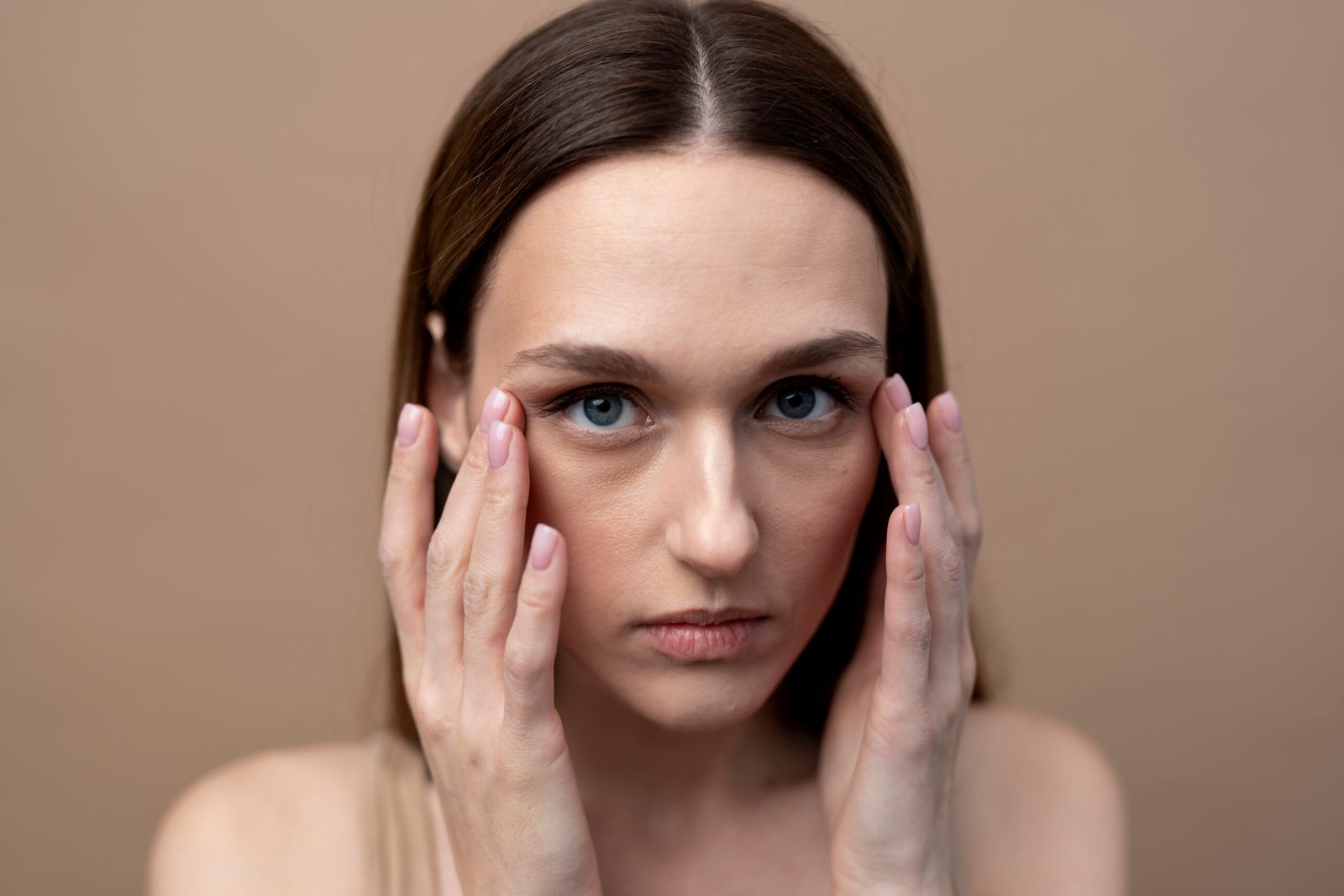
The term “dark circles” refers to a darker-than-usual appearance of the skin under and around the lower eyelid. They may appear brown, blue/purple, black, or even grey depending on your skin tone, how the skin reflects light, and what’s happening underneath the skin surface. Cleveland Clinic+2Medical News Today+2

This area under the eyes is especially susceptible because the skin is thin, the fat layer may be minimal, and there are many blood vessels and shadows. When things shift, whether structurally, internally, or externally, the under-eye area reveals it more easily.

Dark circles, eye cream, under eye dark circles

Why do Dark Circles Appear?

Here we’ll break down the major categories of causes. Often, dark circles aren’t due to just one factor, but to a combination of factors.

Genetic & Structural Factors

  • Your genes play a big role. If your parents or siblings have under-eye darkness, there’s a higher chance you will too. Healthline+2UCLA Health+2

  • Facial anatomy: Hollows, deep under-eye fat loss, or prominent eye sockets can cast shadows that appear as dark circles. UCLA Health+1

  • With age, the skin thins, collagen and fat diminish, making the underlying vessels and shadows more visible. Healthline+1

Hyperpigmentation & Skin Tone

  • In some individuals, especially those with darker skin tones, increased melanin (pigment) or post-inflammatory pigment can deposit under the eye area. NIVEA+1

  • Sun exposure can stimulate excess melanin production under the eyes, making the circle look darker. Healthline+1

Vascular & Circulatory Causes

  • Dilated blood vessels or venous congestion (blood pooling) under the eyes can give a bluish or purplish tint. Healthline+1

  • Eye strain, allergies can reduce blood return and worsen under-eye darkness. Medanta+1

Lifestyle & External Factors

  • Lack of sleep: One of the most common culprits. Sleep deprivation causes paler skin and visible vessels, and fluid retention can add puffiness + shadows. Cleveland Clinic+1

  • Dehydration: When skin loses volume or looks dull, underlying structures show more clearly. Healthline+1

  • Smoking, alcohol, a high salt diet, and poor circulation all contribute. Medanta+1

Medical & Underlying Conditions:

Dark Circles are usually caused by lack of sleep, genetics, or aging. However, if you suspect an underlying medical condition, it’s best to consult a healthcare professional.

I have included some of the links. Please consult a dermatologist if you have any medical issues.

Dark circles are not always caused by lack of sleep; there are different types, and each one needs a different approach.

Hyperpigmentation

Caused by:

  • Excess melanin

  • Sun damage

  • Rubbing eyes frequently

  • Genetics

Best ingredients: Retinol, Vitamin C, Niacinamide, Tranexamic Acid, Kojic Acid.

Vascular Dark Circles

Due to visible blood vessels under thin skin.

Caused by:

  • Stress

  • Poor sleep

  • Screen fatigue

  • Dehydration

Best ingredients: Retinol, Caffeine, Peptides, Vitamin K

Hollow/ Volume Loss (Shadowing)

Happens with age, the fat under the eyes reduces and creates a shadow.

Best Ingredients: Peptides, Retinol, Professional help (Better option)

Puffy Eyes 

Fluid retention creates swelling and shadows.

Causes:

  • Allergies

  • High salt intake

  • Poor sleeping positions

Best ingredients: Caffeine, Green Tea Extract, Cooling rollers.

How to Check & Diagnose your own Under-Eye Darkness?

Before rushing to buy products, doing a basic assessment helps you pick the right approach.

Visual & Self-Check

  • Stand in a mirror with good natural light. Check both eyes: is the darkness symmetrical, or is one side worse?

  • Note the colour: bluish/purple suggests vascular, brown/black suggests pigmentation, and shadowy darkness may be structural.

  • Are there hollows or shadows under your eyes? These can cause “shadowing,” which appears as dark circles even when pigment isn’t the main issue.

  • Press gently around the under-eye: does the area look puffy (fluid) or sunken (volume loss)?

  • Note your habits: how many hours do you sleep? Do you drink enough water? Do you have allergies?

When to see a Professional

You should consult a dermatologist or doctor if:

  • The dark circles appear only under one eye or are rapidly worsening.

  • There’s associated swelling, lumps, or visible veins.

  • You suspect an underlying condition.

  • Your dark circles don’t respond to lifestyle changes over time. Mayo Clinic+1

Possible Diagnostic Approaches

A professional help will be the best option if you have any medical conditions, no change even after lifestyle improvements, allergies, or deficiencies.

Healthline+1

Quick Way to Identify your Type:

  • Pull skin slightly → if the color stays: pigmentation
  • Look upward → if darkens: vascular

  • Hollows even with light → volume loss

Now that you know the cause → let’s fix it

Tips to Reduce Dark Circles

Now that you’ve understood the causes and checked your own situation, let’s go through the actionable steps. Some will address lifestyle and structural issues; others will prep you for deeper interventions and product choices.

Lifestyle & Habit Adjustments:

  • Improve sleep quality: Aim for 7-9 hours of sleep every day. Mayo Clinic+1

  • Hydration: Drink sufficient water, eat hydrating fruits/vegetables. Avoid excessive salt, which can cause puffiness and shadows. Medanta+1

  • Sun protection: Use a broad-spectrum SPF (30 or higher) around the eye area and wear sunglasses. UV exposure increases pigmentation and skin thinning. NIVEA

  • Allergy management: If allergies or nasal congestion are frequent, treat them. Avoid rubbing your eyes. Consult a doctor in such cases. Healthline+1

  • Healthy diet & antioxidants: Include foods rich in vitamin C, K, iron, and omega-3s. A nutrient-deficient diet can slow circulation and skin repair. NIVEA

  • Quit or reduce smoking/alcohol: Both worsen circulation, dehydrate skin, and speed collagen breakdown. Medical News Today

At-Home Skincare:

  • Cold compress/cucumber slices/chilled tea bags. Healthline+1

  • Use gentle skincare around the eyes: The under-eye area is delicate; avoid harsh scrubs, strong actives right next to the eyes unless specifically for that area.

  • Brightening eye serums: Ingredients like vitamin C, Tranexamic Acid, retinol, caffeine, and niacinamide can help with circulation/pigmentation. (We’ll cover product specifics in the next blog).

  • Volume support: If you have hollows, a good moisturizer and eye cream that supports skin elasticity can help reduce the appearance of shadowing.

  • Shade smartly: Use concealer if you like, not a permanent solution, but it gives you confidence while you address root causes.

Professional treatments & when they’re appropriate:

If lifestyle/skincare steps are not enough, these may be discussed with a dermatologist:

  • Peels or laser therapies for hyperpigmentation under the eyes. Healthline+1

  • Prescription brightening creams (under supervision) for pigmentation.

What to Avoid (and Why)

  • Avoid ignoring persistent dark circles, if they’re changing, asymmetric, or accompanied by lumps/swelling, get checked.
  • Don’t rely on just one quick fix if structural or genetic causes are present.

  • Avoid very coarse eye scrubs or aggressive treatments around the eye unless directed by a specialist.

  • Be cautious about DIY “bleaching” under-eye methods or unregulated brighteners, as safety matters.

Stay tuned for our next post: “10 Best Dark Circle Creams,” where we’ll dive into the top creams for different types of dark circles.

External References:

  • Cleveland Clinic – “Dark Circles Under the Eyes: Causes & Treatment” – a thorough overview of causes & when to see a doctor. Cleveland Clinic

  • Mayo Clinic – “Dark Circles Under the Eyes: Causes” – includes home-remedy suggestions and when to consult a doctor. Mayo Clinic

  • Medical News Today – “Dark Circles Under the Eyes: Causes and Treatments” – explores lifestyle links, pigmentation, and structural factors. Medical News Today

Top Ingredients for Dark Circles

IngredientWorks Best ForBenefits
CaffeinePuffy, vascular circlesReduces swelling & improves blood flow
Vitamin CPigmentationBrightens & boosts collagen
Retinol / RetinalAging + vascularThickens skin & smooths fine lines, wrinkles
Tranexamic AcidPersistent pigmentationGreat for discoloration
PeptidesHollowness & fine linesImproves elasticity
NiacinamideOverall brighteningStrengthens the barrier
CeramidesDry under eyesPlumps & hydrates

How to Apply Eye Cream Correctly

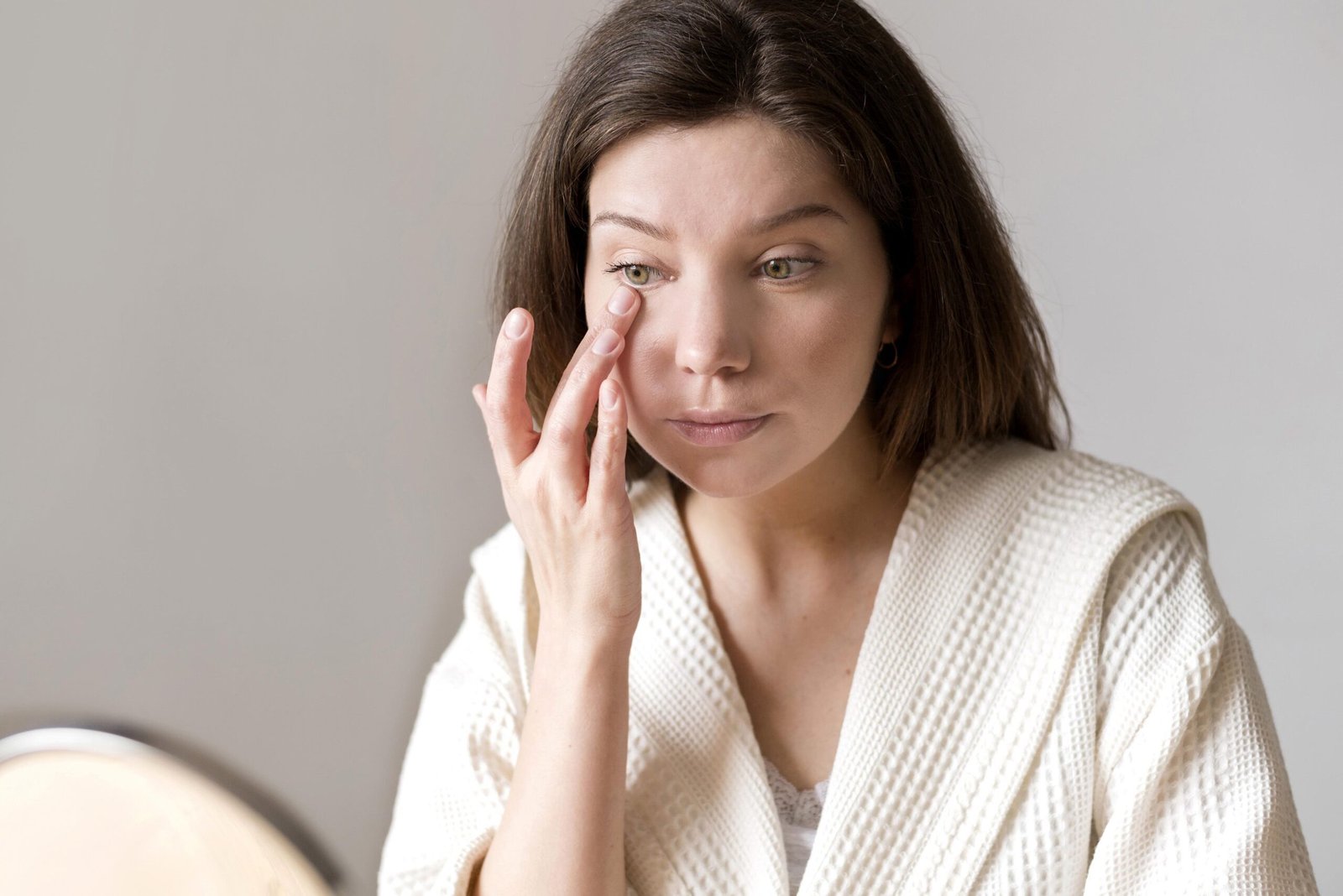
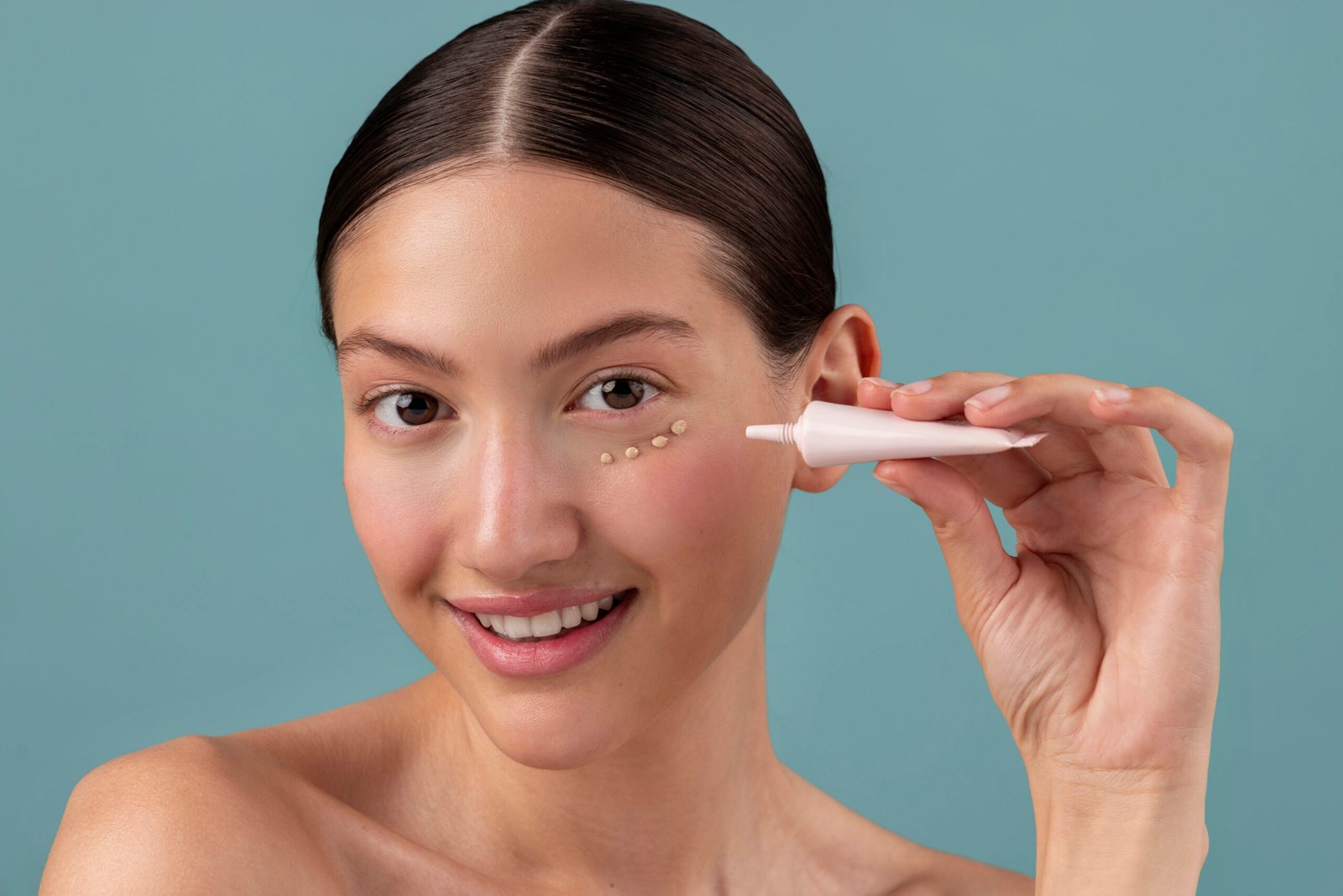
Dark circles, applying eye cream, under eye cream
Dark Circles, Under Eye cream, applying eye cream

Most people rub too hard, which worsens dark circles.

Follow this routine:

  • Take a pea-sized amount

  • Apply using the ring finger

  • Tap gently, don’t stretch skin

Use Retinol/Retinal-based eye creams at night.

Always follow with SPF 50 in the daytime.

Sunscreen = Non-Negotiable

Sun damage darkens pigmentation and causes wrinkles.
Choose a broad-spectrum sunscreen:

Home Remedies

Cold compress – reduces puffiness
Tea bags (green tea) – caffeine boosts circulation
Reduce blue light exposure before bed
Stay hydrated — dryness worsens darkness

Avoid:
-Rubbing eyes
-Using harsh DIYs like lemon, toothpaste (super damaging).

When should you visit a Dermatologist?

If dark circles:

  • Come suddenly

  • Are deep + hereditary

  • Look hollow despite skincare

They may recommend:

  • Chemical peels

  • Laser for pigmentation

Professional treatments can make a dramatic difference.

Helpful External Resources

Dark circles are common and, in many cases, treatable.

Instead of hiding them with concealer, now you have:
-Best ingredients
-Tried-and-tested eye creams
-Healthy habits
-Dermatologist-approved solutions

Be consistent for at least 6 months to see visible results.

Final Thoughts

Dark circles may feel like just a cosmetic annoyance, but they often reflect a mixture of lifestyle, structural, genetic, and skin-health factors. The good news? The steps you can take yourself will make a visible difference- improving sleep, hydration, sun protection, skincare habits and nutrition. If you find that your dark circles persist despite good habits, or if they’re new or asymmetric, it’s wise to consult a specialist to check for deeper causes or structural factors.

Remember: you don’t always have to fix them perfectly, but understanding them helps you choose what kind of fix makes sense (skincare, lifestyle, professional). And for those looking for an under-eye cream, I’ll soon share my “10 Best Dark Circle Creams,” where we’ll match potent ingredients to your specific type of dark circle.

Thanks for reading. If you found this post helpful, feel free to share it with friends or bookmark it for future reference. You can also email us about what kind of dark-circle issue you face (pigmentation-based, vascular, structural, etc.), and we’ll try to address common threads in future posts.

Disclaimer:

This post is based on my personal experience and research, and is intended for informational purposes only. Skincare results vary from person to person depending on skin type, routine, and individual factors.

This post is not sponsored (unless mentioned otherwise) and should not replace professional skincare or dermatological advice. Always patch-test new products and consult a dermatologist if you have specific skin concerns.

Some links in this post may be affiliate links, meaning I earn a small commission if you make a purchase, at no extra cost to you. This helps support my blog and allows me to keep sharing honest, experience-based reviews.

And always remember, you don’t need to fix every issue. You’re beautiful just the way you are.

Follow Glowwithfaceo for more such blogs.