Table of Contents
Introduction
Dandruff is one of those small but persistent problems, visible flakes, an itchy scalp, and sometimes embarrassment. Dandruff isn’t a single disease, it can be caused by dry scalp, seborrheic dermatitis, or an overgrowth of the yeast Malassezia. The good news: targeted shampoos that include antifungal actives, exfoliating acids, or zinc/pyrithione can dramatically reduce flakes and itching when used correctly. Experts usually recommend rotating an antifungal or medicated shampoo into your routine 1–3 times a week and letting it sit on the scalp for a couple of minutes to work. Marie Claire+1
Anti-dandruff shampoos are not only for people with visible flakes. You may benefit from one if you experience:
Persistent scalp itching or tightness
White or yellow flakes on the shoulders or hairline
Oily scalp with recurring buildup
Redness or irritation on the scalp
Increased hair fall linked to scalp inflammation
Even mild, occasional dandruff can worsen if left untreated, so early intervention is key.
Below are five effective dandruff control shampoos, from salon formulas to clinical-strength options, with ingredient breakdowns and clear, practical instructions so you can pick the right one for your scalp.
Understanding Common Anti-Dandruff Actives
Not all dandruff shampoos work the same way. Their effectiveness depends on the active ingredient used:
- Ketoconazole: Targets fungal overgrowth directly; best for moderate to severe dandruff and seborrheic dermatitis.
- Zinc Pyrithione / Piroctone Olamine: Controls yeast while being gentle enough for long-term maintenance.
- Salicylic Acid & AHAs: Help loosen thick flakes and clear buildup but should be balanced with hydration.
Choosing the right active based on your scalp type improves results and reduces irritation.
Even the best shampoo works better when lifestyle factors are addressed:
Chronic stress can worsen scalp inflammation
Poor sleep affects skin and scalp barrier repair
Irregular hair washing allows buildup to accumulate
A balanced routine supports long-term dandruff control.
If you’re struggling with recurring flakes, itching, or scalp discomfort, switching to a targeted anti-dandruff shampoo and using it correctly can make a visible difference within weeks. The right product paired with consistency is often more effective than frequent product hopping.
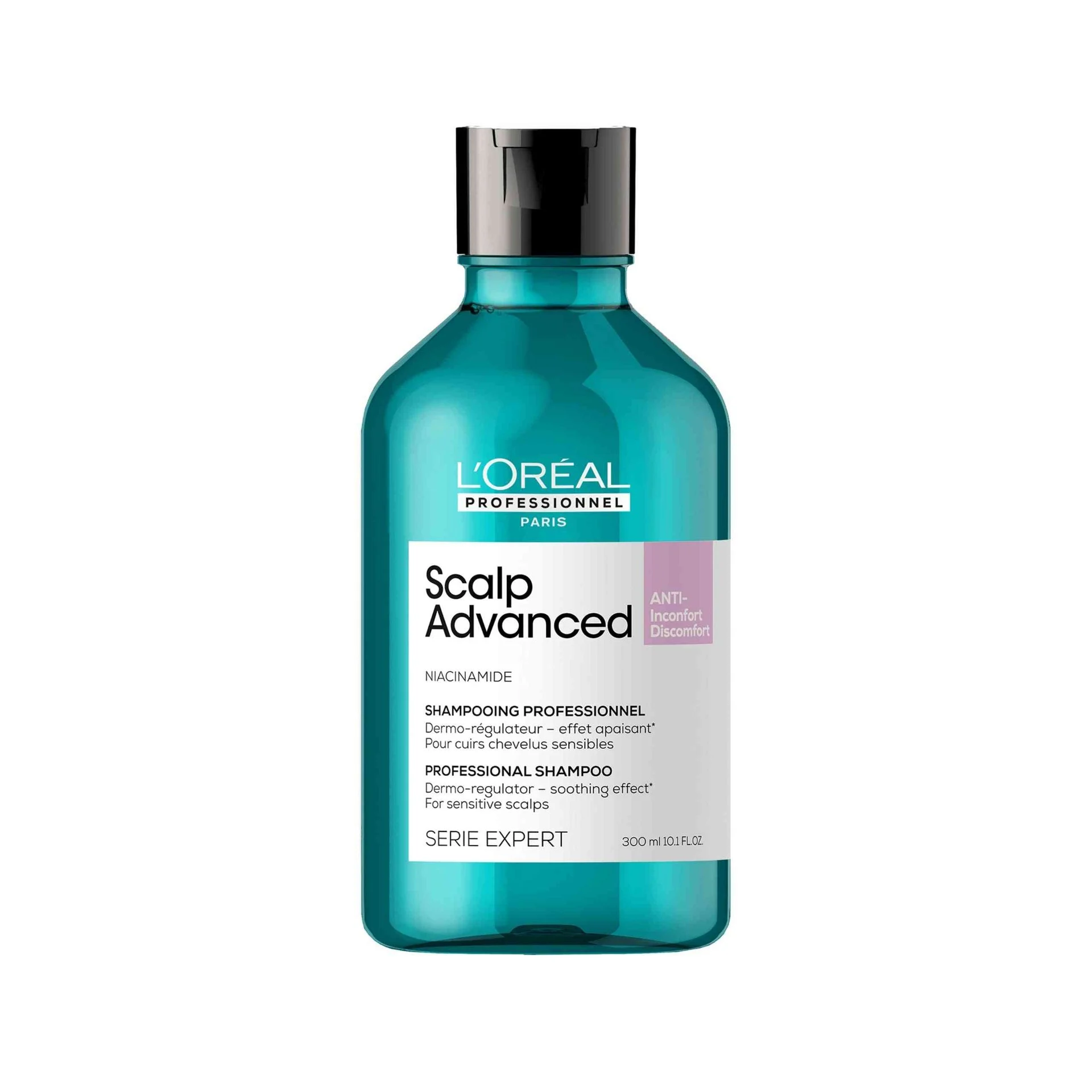
L’Oréal Professionnel Scalp Advanced Dermo-Clarifier Shampoo
Salon-grade formulation with scalp-targeted actives designed to exfoliate and rebalance. lorealprofessionnel.com
Key ingredients and features:
- Piroctone Olamine: A trusted antifungal and antibacterial ingredient that targets the yeast linked with dandruff and helps reduce flakes.
- Niacinamide & AHA (alpha hydroxy acids): Gently exfoliate dead skin cells and help rebalance the scalp, ideal for both dry and oily dandruff.
- Clay: Helps absorb excess oil and impurities, leaving the scalp feeling clean and balanced.
- Soothing fragrance and professional feel: Users report a calming, refreshing scent and comfortable application.
- Clinical performance: Consumer testing shows up to 100 % visible flake reduction and 72 hours of dandruff protection with regular use.
- Piroctone Olamine: an antifungal agent that helps reduce dandruff-causing microbes. (Product literature lists a combination of these dermatological actives.) lorealprofessionnel.com+1
How to use:
Wet hair thoroughly. Massage a walnut-sized amount into the scalp, focusing on areas with flakes. Lather and leave on the scalp for 1–2 minutes (this helps AHAs and piroctone olamine work), then rinse. For best results, use a second lather if hair is very dirty.
When to use & how often:
Use 2–3 times per week for active dandruff. If your scalp becomes dry, reduce to 1–2 times and pair with a gentle, hydrating conditioner on the lengths only.
Best for: People who want a salon-grade, multi-action formula that exfoliates and treats. lorealprofessionnel.com
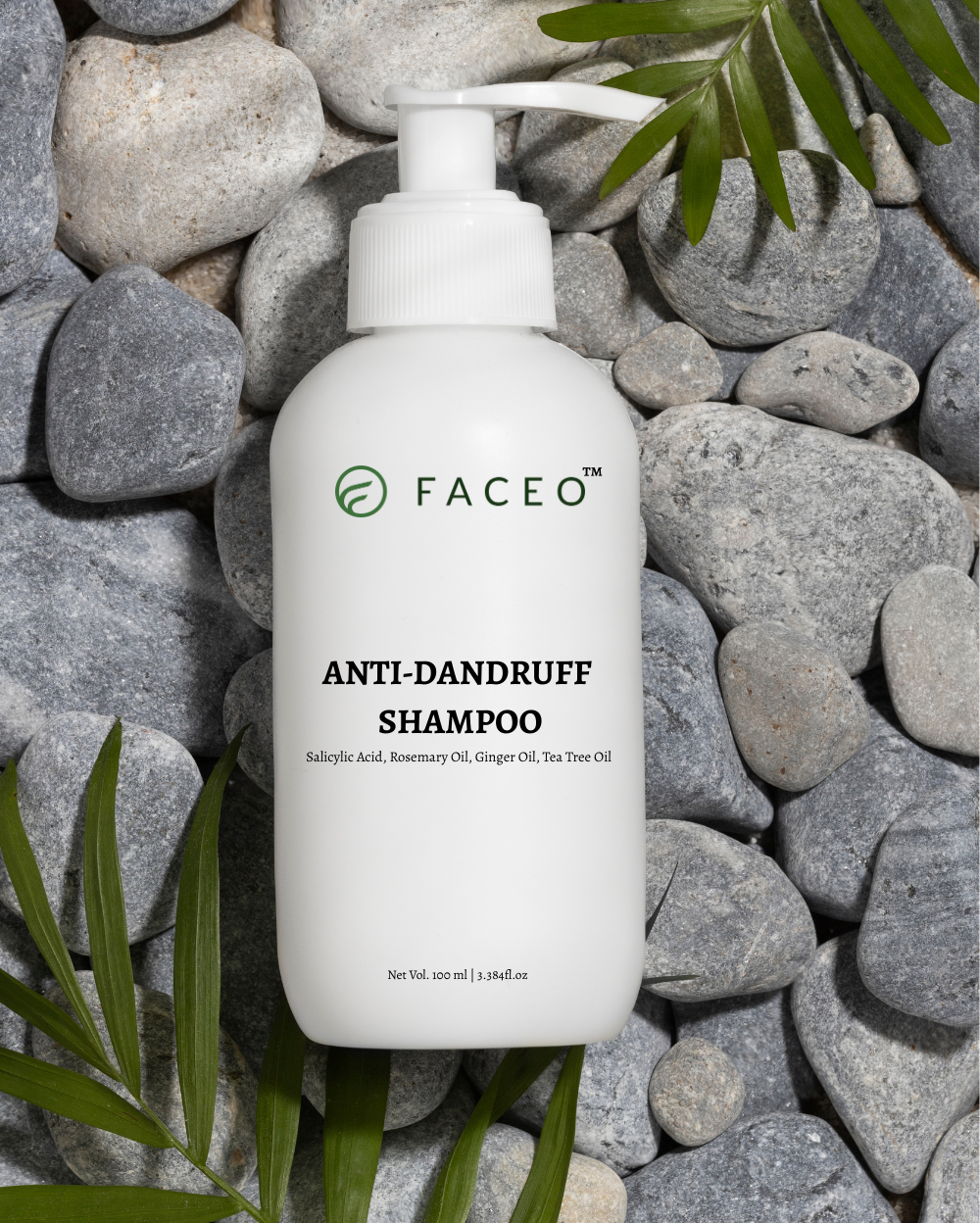
2. Faceo Anti-Dandruff Shampoo (Faceo brand)
Key ingredients: Salicylic Acid, Rosemary Oil, faceo.in
How to use:
Apply to wet hair and massage gently into the scalp; leave the shampoo on the scalp for 1–3 minutes so active ingredients have time to act, then rinse. Repeat if hair is heavy with oil or styling product residue.
When to use & how often:
Use 2–3 times weekly for active dandruff. If sensitive, start with once weekly and assess. For maintenance, many users drop to once a week after 2–3 months of improvement.
Performance notes:
Users generally report reduced itchiness and a clearer scalp with consistent use, especially when the product is left on the scalp for 3-5 minutes before rinsing.
Best for: Individuals seeking a home-brand option with affordable pricing and targeted antifungal ingredients. A budget-friendly, everyday anti-dandruff option that still includes targeted actives.
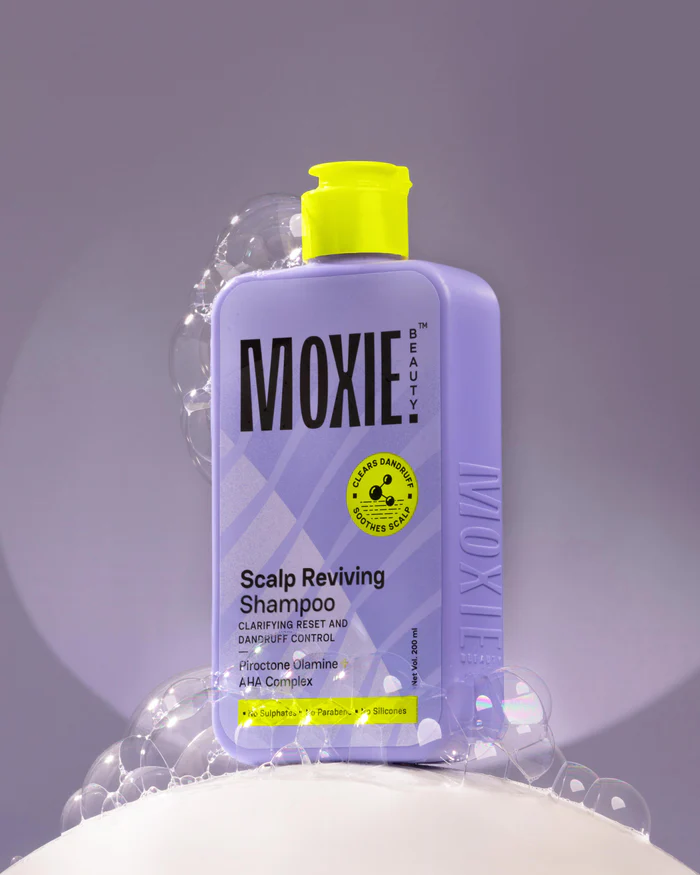
3. Moxie Scalp Reviving Shampoo
Why it’s on this list: a popular Indian indie brand formulation focused on scalp health: combines antifungal piroctone olamine with mild exfoliants and soothing botanicals. moxiebeauty.in+1
Key ingredients:
Piroctone Olamine: antifungal action against dandruff-causing yeasts.
AHA/BHA complex (glycolic/lactic/salicylic elements): clears buildup and lifts scales.
Shikimic Acid & botanical extracts: marketed for balancing oil and soothing sensitivity.
How to use:
Apply to wet hair, concentrate on the scalp, massage gently for 60–90 seconds, and let sit 1–2 minutes before rinsing. If you have heavy buildup, follow a double-wash method: shampoo once to cleanse, then shampoo again and leave on.
When to use & how often:
Start with 2–3 times per week. Many users with oily, flaky scalps continue 2× weekly as maintenance. If your hair is dry, reduce frequency and avoid applying conditioning products to the scalp.
User experience:
Many users praise its clean feel and soothing effect without stripping the hair, especially helpful if dryness or sensitivity is a concern.
Best for: people who prefer a modern, scalp-first routine with mild chemical exfoliation and antifungal support. moxiebeauty.in+1
External link: Moxie product page for ingredients & instructions.
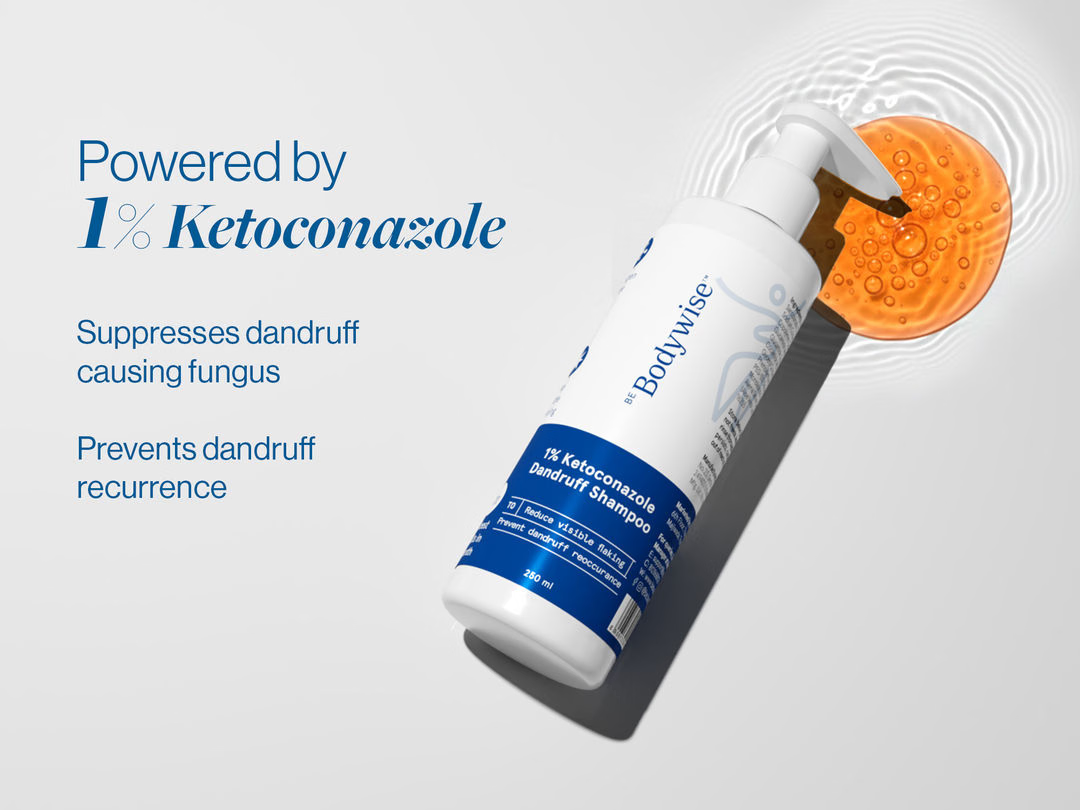
4. Be Bodywise 1% Ketoconazole Shampoo
Ketoconazole is a proven antifungal with clinical evidence supporting its effectiveness against dandruff and seborrheic dermatitis. Be Bodywise+1
Key ingredients:
1% Ketoconazole: potent antifungal that reduces Malassezia and calms inflammation.
Aloe vera & conditioning agents: to counteract dryness that can come with medicated shampoos. Many 1% ketoconazole products also include conditioning polymers or humectants to preserve hair feel. Be Bodywise
How to use:
Wet hair well. Apply to your scalp and leave it on for 3-5 minutes, and wash off.
Ketoconazole requires 3–5 minutes of contact time on the scalp to maximize its antifungal action, so leave it on before rinsing. Ketoconazole needs a few minutes of contact to be effective. For stubborn cases, follow the label directions or your dermatologist’s advice.
When to use & how often:
Clinical guidelines often recommend 2× weekly for the first 4–8 weeks, then reduce to weekly for maintenance. Be Bodywise specifically suggests a 3-month program for lasting results, adjusting frequency by scalp type (they recommend 1–2× weekly for dry scalps, 2–3× for oily scalps). Be Bodywise+1
Best for: people with moderate to severe dandruff or seborrheic dermatitis who need a clinically proven antifungal.
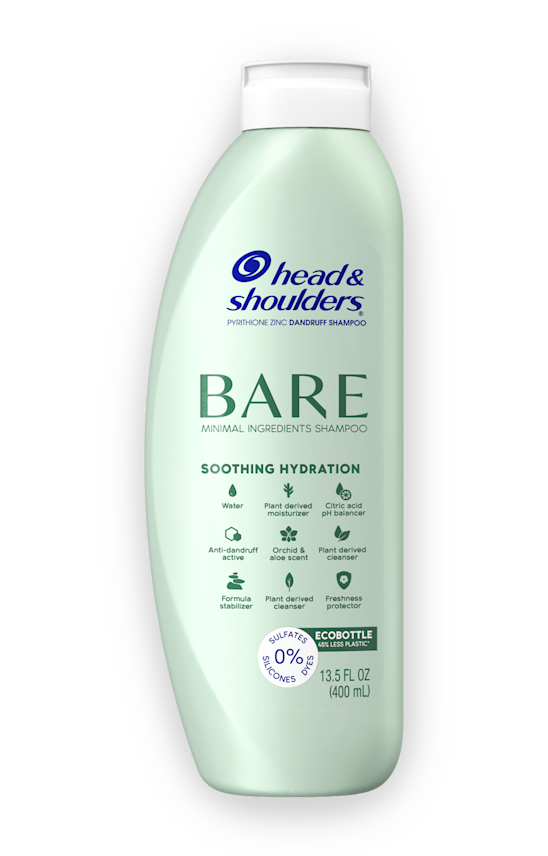
5. Head & Shoulders BARE (Bare / Bare Soothing Hydration) Anti-Dandruff Shampoo
Head & Shoulders is one of the most widely studied and accessible anti-dandruff brands; the “Bare” or “Bare Soothing Hydration” variant is designed to be silicone-free and gentle while delivering an active anti-dandruff ingredient. Head and Shoulders+1
Key ingredients:
Zinc Pyrithione (or Piroctone Olamine, depending on the regional formula): proven antifungal/antimicrobial that reduces flakes and itching. Head & Shoulders often formulates with pyrithione zinc at 1% or uses piroctone olamine in some regional variants.
Mild surfactants & conditioners: cleansers that don’t strip hair unnecessarily; polyquaternium for smoothness.
How to use:
Massage into wet scalp, leave on the scalp for 1–2 minutes to let the active work, then rinse. Double-wash if hair or scalp is heavily soiled.
When to use & how often:
Start with 2–3 times per week. Many people continue 2× weekly as maintenance. If you have a very oily scalp, you can go up to 3× weekly, but follow how your scalp responds.
User experience:
Many users find it effective at reducing flakes and scalp irritation with routine use, and it’s easy to pair with a regular conditioner for smooth hair.
Best for: People who want a gentle, widely available, budget-friendly anti-dandruff option with a long safety record. Head and Shoulders+1
External link: Head & Shoulders product page listing ingredients & usage.
How to Build an Effective Hair Care Routine
Using the right shampoo is important, but how you use it matters just as much.
Choose the Right Shampoo
Match your shampoo’s active ingredient to your scalp type and the severity of dandruff.
Mild dandruff → zinc pyrithione/piroctone olamine/exfoliating formulas
Persistent dandruff → ketoconazole
- Flaky buildup → exfoliating formulas.
To keep it under control and maintain the results, use a salicylic acid–based shampoo at least once a week.
Correct Application Technique
Many people wash their hair too quickly.
-Apply shampoo directly to the scalp
-Massage gently with fingertips (not nails)
-Leave it on for 5-15 minutes
-Rinse thoroughly.
This contact time is crucial for antifungal ingredients to work.
Condition the Right Way
Always apply conditioner to mid-lengths and ends only. Conditioner on the scalp can worsen dandruff and clog follicles.
Maintenance Phase
Once dandruff is under control:
Reduce medicated shampoo to once weekly or once in 10-15 days.
Alternate with a gentle, non-medicated shampoo
This prevents relapse without over-drying the scalp.
How to Choose the Right Anti-Dandruff Shampoo for Your Scalp Type
Not all dandruff is the same, and choosing the right shampoo depends heavily on your scalp type, lifestyle, and severity of flakes. Using a shampoo that doesn’t match your needs can slow results or even worsen irritation.
Oily, Flaky Scalp
If your scalp gets greasy quickly and flakes tend to stick together or look yellowish, your dandruff is likely linked to excess sebum and yeast overgrowth.
Look for shampoos containing:
Ketoconazole
Piroctone Olamine
Zinc Pyrithione
Mild Exfoliating acids (AHA/BHA)
These ingredients reduce fungal growth while helping clear oil buildup. Avoid heavy conditioners or oils on the scalp, as they can feed yeast and trigger flare-ups.
Dry, Tight, Itchy Scalp
If flakes are small, white, and powdery with tightness or discomfort, you may be dealing with dry scalp rather than dandruff. In such cases:
Use a gentle BHA (salicylic acid)-based anti-dandruff formula
Limit strong medicated shampoos to once weekly
Pair with a hydrating conditioner on hair lengths
Overusing harsh shampoos on a dry scalp can worsen flaking, so balance treatment with moisture.
For Sensitive or Reactive Scalp
If your scalp reacts easily with burning or redness:
Avoid frequent switching between shampoos
Choose fragrance-light or scalp-calming formulas
Reduce washing frequency if irritation increases
Let your scalp adjust to one product for at least 3–4 weeks before deciding whether it works.
One of the biggest reasons people think “anti-dandruff shampoos don’t work” is inconsistent use. Antifungal ingredients don’t show overnight results. They need regular contact time and repeated use to rebalance the scalp.
Skipping washes, rotating products too frequently, or stopping once flakes reduce often leads to relapse. Dandruff is usually a chronic condition, not a one-time issue.
A simple rule:
Treat phase: 2–3× weekly for 4–8 weeks
Maintenance phase: 1× weekly or once in 10–15 days
This approach keeps dandruff under control without over-drying the scalp.
Common Mistakes That Make Dandruff Worse
Even the best anti-dandruff shampoo won’t work if these mistakes continue:
-Washing hair too infrequently
-Leaving oil on the scalp for days
-Using very hot water
-Scratching flakes aggressively
-Switching shampoos too often without giving the results time
Should You Oil Your Hair If You Have Dandruff?
If you’re also dealing with hair fall, dryness, or weak roots along with dandruff, choosing the right oil matters just as much as the right shampoo.
Read our detailed guide on:
Best Hair Oils for Hair Growth & Hair Fall Control
This guide covers natural oils, how to use them correctly, and which oils suit different scalp types — especially if you’re managing dandruff.
This is one of the most asked questions, and the answer depends on your dandruff type.
Dry scalp: Light oiling may help
Oily dandruff: Heavy oiling can worsen flakes
Seborrheic dermatitis: Avoid oiling entirely unless prescribed
If you oil:
Keep it minimal
Oil only once weekly
Shampoo thoroughly after
Leaving oil on an already flaky scalp can feed yeast growth.
How Long Does It Take to See Results?
Results vary depending on severity and consistency.
1–2 weeks: Reduced itching and flaking
3–4 weeks: Visible improvement
6–8 weeks: Better scalp balance and fewer flare-ups
Ketoconazole shampoos may show faster results, but should still be used for the full recommended duration.
Can Shampoos Cause Hair Fall?
This is a common fear, but the truth is:
Dandruff itself causes more hair fall than the shampoo.
Temporary hair shedding may happen because:
Flakes loosen trapped hairs
Scalp inflammation reduces
Once dandruff is controlled, hair fall often improves.
When Should You See a Dermatologist?
Consult a professional if you notice:
Severe redness or burning
Thick scales spreading beyond scalp
Hair loss with dandruff
No improvement after 6–8 weeks
Medical evaluation may be necessary for psoriasis or fungal infections.
It’s also important to remember that dandruff control is not a one-time fix but an ongoing scalp care habit. Even after flakes disappear, stopping treatment completely can allow dandruff to return. Continuing a mild anti-dandruff shampoo occasionally, maintaining good scalp hygiene, and avoiding heavy product buildup can help keep the scalp balanced long term. Paying attention to early signs like mild itching or small flakes allows you to act early and prevent a full flare-up.
FAQs
Can I use anti-dandruff shampoo daily?
Most medicated shampoos are best used 2–3 times a week. Daily use may dry out the scalp unless specified as gentle.
Should I rotate anti-dandruff shampoos?
Yes. Rotating actives every few months can prevent a plateau and improve long-term control.
Is dandruff contagious?
No. Dandruff is not contagious and cannot be spread through contact.
Can dandruff come back after stopping treatment?
Yes. Dandruff is often chronic and requires maintenance care.
Does diet affect dandruff?
Poor diet, stress, and lack of sleep can worsen scalp conditions. Balanced nutrition supports scalp health.
Final Thoughts
Dandruff may be common, but it doesn’t have to be permanent.
With the right shampoo, correct usage, and consistent routine, most people can control flakes effectively.
Whether you prefer salon formulas, indie brands, or clinically proven medicated shampoos, the key is choosing what matches your scalp’s needs, not just what’s trending.
General usage tips
- Let the shampoo sit. Most actives need at least 1–3 minutes of contact time. Don’t just lather and rinse immediately. Marie Claire
- Start 2–3× weekly. This is the usual therapeutic frequency. Once controlled, move to maintenance (1× weekly or as needed).
- Use a gentle conditioner on lengths only. Keep medicated shampoo on scalp, not hair lengths; condition to prevent dryness.
- Rotate if needed. If one shampoo stops working, rotate actives (e.g., ketoconazole, zinc pyrithione, or BHA) to prevent resistance/plateau.
- See a dermatologist if flakes persist, there’s severe redness, hair loss, or the condition worsens; you may need prescription treatment.
Disclaimer
This article is intended for educational and informational purposes only. The information shared here is not a substitute for professional medical advice, diagnosis, or treatment. Results may vary depending on individual scalp condition, lifestyle, and consistency of use. Always read product labels carefully and perform a patch test before using any new hair care product. If dandruff is severe, persistent, or accompanied by redness, pain, or hair loss, please consult a qualified dermatologist or healthcare professional.