Introduction: Why Skin Health Starts From Within
Food and lifestyle habits play a far bigger role in skin health than most people realize. When we talk about glowing skin, most people immediately think of skincare products, serums, creams, facials, and treatments. While skincare plays an important role, true radiant skin is built from within.
Your skin is the largest organ of your body, and it reflects:
What you eat
How you sleep
How stressed are you
Your nutrient levels
Your lifestyle habits
Healthy skin is a result of a healthy lifestyle.
In this guide, we’ll explore foods and lifestyle habits backed by scientific research that support:
Skin barrier repair
Collagen production
Acne control
Hydration
Anti-aging
Natural glow
Consistent food and lifestyle habits form the foundation of long-term glowing skin, far beyond what topical skincare alone can achieve.
How Food and Lifestyle Habits Affect Skin Health & Natural Glow
Food and lifestyle habits influence skin health by regulating inflammation, hormone balance, gut function, blood circulation, and nutrient absorption. When these systems are in balance, your skin reflects it, looking clearer, calmer, healthier, and naturally radiant. Balanced food and lifestyle habits support skin repair from within.
Glowing skin isn’t about being fair or flawless, it’s about:
Even tone
Smooth texture
Good hydration
Natural elasticity
Healthy barrier function
Scientifically, glowing skin depends on:
Collagen & elastin (for firmness)
Ceramides & lipids (for barrier strength)
Antioxidants (to fight oxidative stress)
Proper blood circulation
Balanced hormones
Oxidative stress, inflammation, and nutrient deficiencies accelerate:
Fine lines
Acne
Pigmentation
Dullness
That’s where diet and lifestyle play a role.
Good skin is never just about what you apply on the outside or what you eat on the inside, it’s always a combination of both.
Nourishing food provides your skin with the building blocks it needs to repair, renew, and protect itself. Vitamins, minerals, healthy fats, and antioxidants work from within to support collagen production, strengthen the skin barrier, and calm inflammation.
At the same time, Good skincare supports your skin externally by maintaining hydration, protecting against environmental damage, and helping your skin function at its best. Cleansing, moisturizing, sun protection, and targeted treatments create the right environment for healthy skin to thrive.
When good food and thoughtful skincare work together, the results are visible, and skin looks clearer, calmer, more balanced, and naturally glowing. It’s not about quick fixes or perfection, but about forming consistent habits that support your skin from the inside out, every day.
Best Foods for Radiant, Glowing Skin According to Nutrition Science
Essential Vitamins For Your Skin
Vitamin D Foods
Best sources:
Vitamin B12 Foods
Best sources:
Eggs
Dairy
Fish
Fortified plant milk
Antioxidant-Rich Foods
Dark Chocolate (70%+ Cocoa)
Yes, chocolate can be skin-friendly.
Benefits:
Improves skin hydration
Enhances blood flow
- Protects from UV damage
Natural antioxidants from some fruits, seeds, foods, and natural products, and associated health benefits
Tip: Do not exceed more than 10-20g daily.
Green Tea
Green tea contains EGCG, a powerful antioxidant.
Benefits:
These food and lifestyle habits for glowing skin work by reducing inflammation and supporting skin barrier repair.
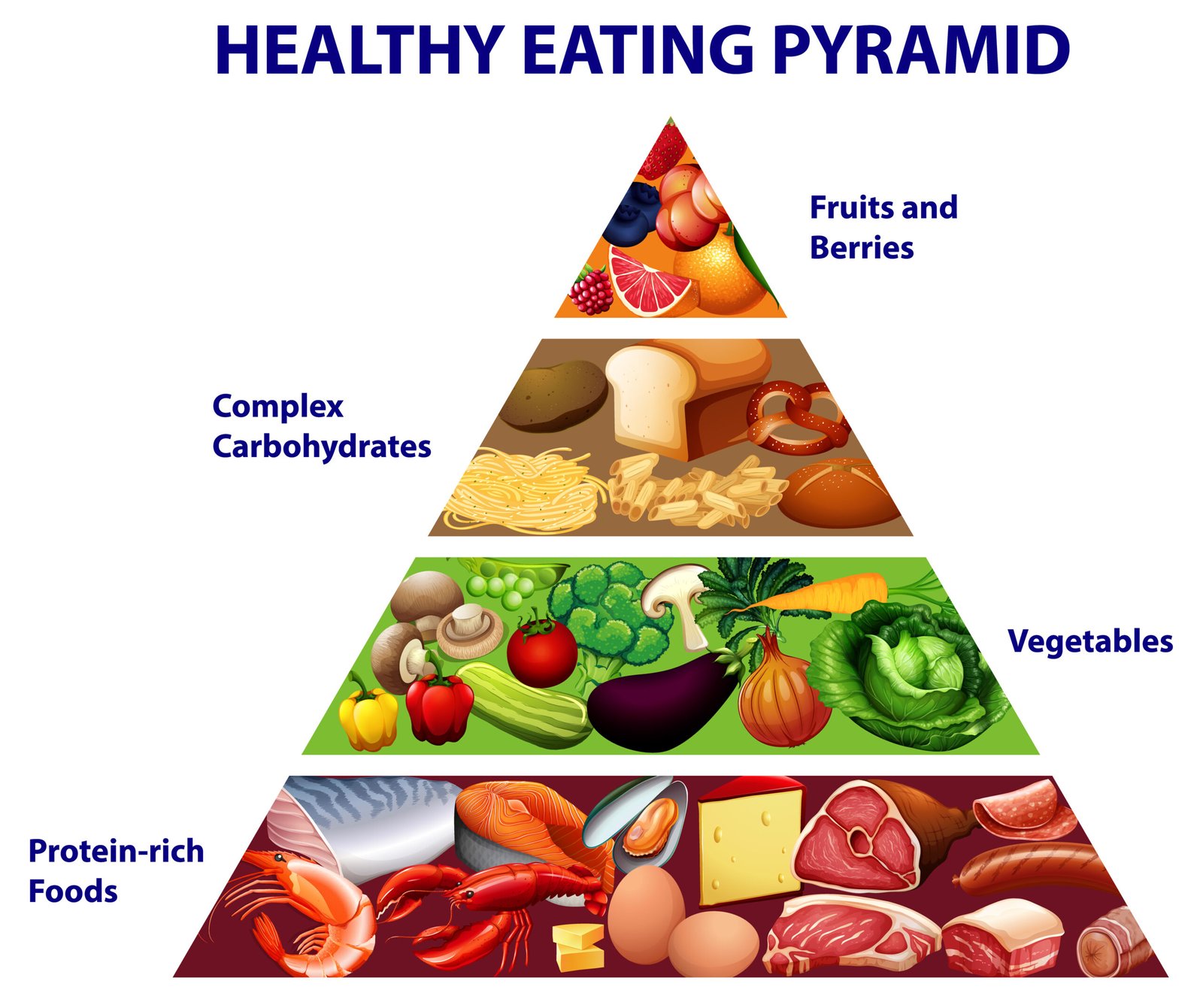
Healthy Eating Pyramid
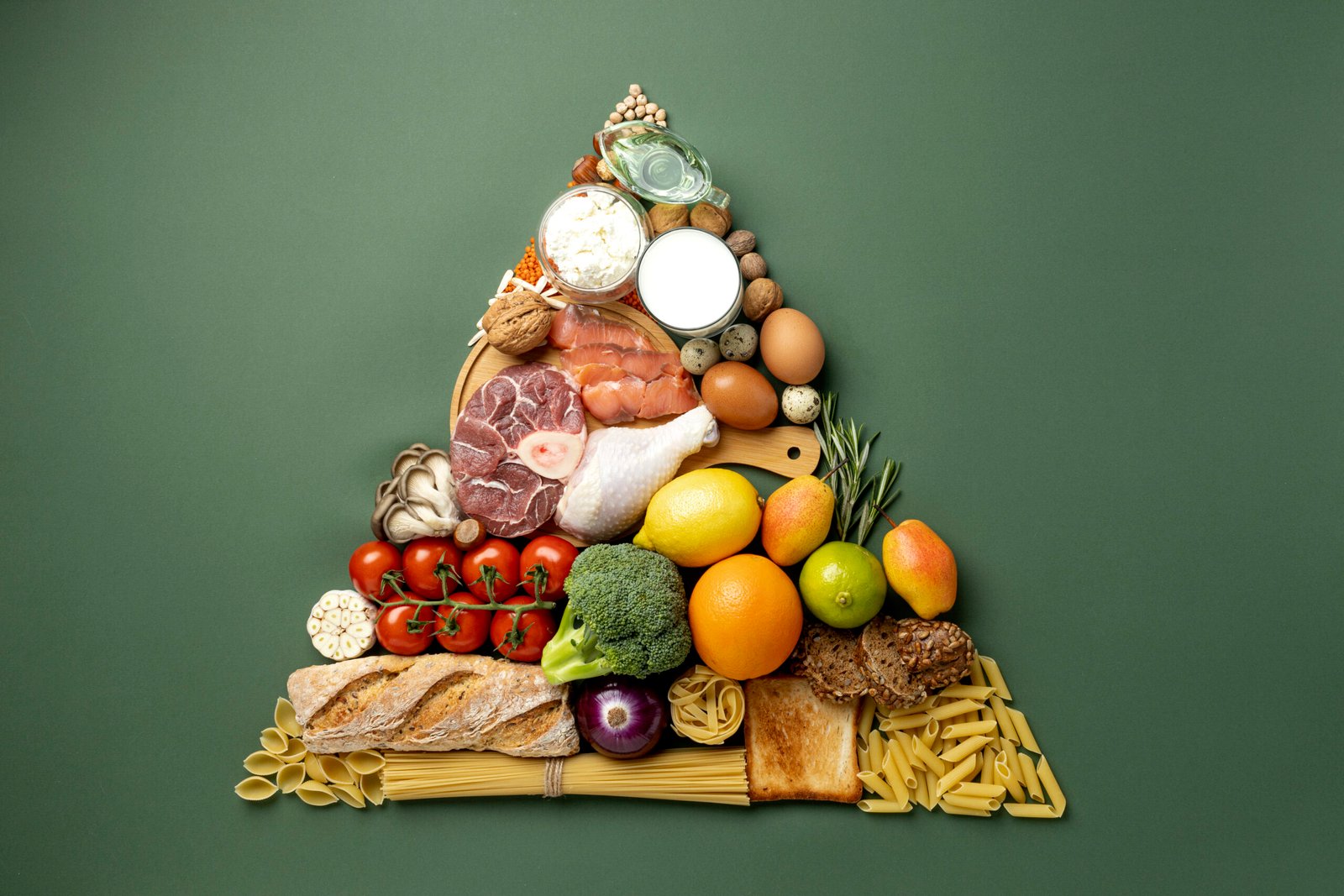
The Healthy Eating Pyramid is a visual guide designed to show how different food groups fit into a balanced, nourishing diet. Instead of strict rules, it emphasizes proportions, which foods should form the foundation of your meals, and which should be eaten in moderation.
A diet for glowing skin should focus on whole foods, healthy fats, and adequate protein
Think of the pyramid as a flexible framework, not a rigid diet plan. Everyone’s body, digestion, lifestyle, and food tolerance are different, so this pyramid works best when adapted to individual needs.
Let’s break it down:
1. Protein-Rich Foods (Foundation of the Pyramid)
Examples shown:
Fish, eggs, seafood, cheese, meat
This base layer highlights the importance of protein for overall health. Protein is essential for:
Skin repair and collagen production
Muscle strength and recovery
Hormone and enzyme function
Hair and nail health
Satiety (feeling full for longer)
Why is it at the base?
Protein supports almost every system in the body. Adequate intake helps stabilize blood sugar levels and prevents frequent hunger cravings.
Important note:
Protein sources should be high-quality and suited to your body.
Some people thrive on animal proteins, while others feel better with plant-based options like lentils, beans, tofu, or paneer. Bio-individuality matters here, listen to how your body responds.
2. Vegetables (The Most Colorful Layer)
Examples shown:
Leafy greens, mushrooms, carrots, onions, eggplant, broccoli, peppers
Vegetables form one of the most important layers of the pyramid because they are rich in:
Vegetables are essential
They support clear, glowing skin
Improve digestion and detox pathways
Help reduce inflammation in the body
Support immunity and long-term health
Pro tip:
Aim for variety and color. Different colors provide different phytonutrients. However, even here, tolerance matters, some people may not digest raw veggies well and do better with cooked or lightly sautéed vegetables.
3. Complex Carbohydrates (Energy & Sustenance)
Examples shown:
Whole grains, bread, pasta, potatoes, pretzels
Carbohydrates often get a bad reputation, but complex carbs are an important energy source.
They:
Fuel your brain and nervous system
Support workouts and daily activity
Help regulate mood and hormones
Provide fiber when whole and unrefined
Why they’re placed above vegetables:
They’re important, but portion and quality matter. Whole, minimally processed carbs are preferred over refined or sugary options.
Individual tolerance matters most. Some people feel energized by carbs, while others may experience bloating or blood sugar spikes. Eat what suits your body.
4. Fruits and Berries (Natural Sweetness & Antioxidants)
Examples shown:
Berries, citrus fruits, apples, oranges
Fruits provide:
Natural sugars for quick energy
Antioxidants that protect skin and cells
Vitamins like vitamin C for collagen synthesis
Hydration and fiber
Fruits are at the top:
They are nutrient-dense but also naturally higher in sugars, so moderation is key, especially for those with insulin resistance or sensitive digestion.
Best approach:
Choose seasonal fruits, focus on berries, and pair fruits with protein or fats to slow sugar absorption.
This Pyramid Is a Guide, Not a Rulebook
The Healthy Eating Pyramid offers a balanced starting point, but true health comes from understanding your own body.
A food that works wonders for someone else may not suit you
Allergies, intolerances, digestion, lifestyle, and culture all matter
Health is not about perfection, it’s about consistency and awareness
The best diet is one that nourishes you, supports your skin, energy, and digestion, and feels sustainable long-term.
Healthy Drinks For Glowing Skin
- Water (2.5–3 liters daily)
- Coconut water
- Herbal teas
- Fresh vegetable juices (not packaged)
Hydration improves skin elasticity and barrier function.
Lifestyle Habits That Transform Skin Health & Promote Glowing Skin
Stress Management
Chronic stress increases cortisol, leading to:
Acne
Hair fall
Premature aging
Try:
Yoga
Journaling
Walking
- Meditation
The impact of stress on body function
Workout
Exercise improves:
Even 30 minutes of walking daily makes a difference.
Sleep, Stress & Skin Connection
During sleep:
Poor sleep leads to:
Dark circles
Dullness
Fine lines
Aim: 7–9 hours of quality sleep.
What to Avoid for Clear Skin
Daily Glow Routine
A consistent routine built around balanced food and lifestyle habits is more effective than following extreme diets or short-term trends.
- 3-4 litres of water
- Nuts and seeds
- Sun exposure
- Balanced meal
- Green tea
- Workout
- Early dinner
- No screens before bed
- 7–8 hours of sleep
- Protein-rich food
Do I need supplements for glowing skin?
Whole foods should always come first. The best supplements for glowing skin are only useful when a confirmed deficiency exists and should be taken under professional guidance.
The Gut–Skin Connection
Healthy skin is closely connected to gut health, a concept known as the gut–skin axis. Your gut microbiome influences inflammation, immunity, and nutrient absorption, all of which directly impact your skin. Gut health is a crucial but often overlooked part of healthy food and lifestyle habits, as digestion directly impacts inflammation and nutrient delivery to the skin.
When your gut is unhealthy, you may experience:
Persistent acne
Rosacea flare-ups
Eczema
Dull, uneven skin tone
Including gut-healthy food like fermented vegetables and fiber-rich meals supports clearer, calmer skin.
Nutrition is bio-individual; no two bodies respond the same way to food. Even foods considered “healthy” can cause reactions or discomfort for some people. What nourishes and works beautifully for one person may not suit another at all. Listening to your body and honoring what feels right for you is far more important than blindly following trends or one-size-fits-all advice.
Acne is rarely caused by just one thing, and food is only one piece of a much bigger picture.
Hormonal fluctuations play a major role, especially during puberty, periods, pregnancy, stress, or conditions like PCOS. Genetics also matter; some people are simply more prone to acne because of how their skin produces oil or responds to inflammation.
Using products that are too harsh, comedogenic, or not suited to your skin type can disrupt the skin barrier and worsen acne. Over-cleansing, excessive exfoliation, or constantly switching products can also irritate the skin and trigger more breakouts.
Lifestyle factors are equally important. Poor sleep slows skin repair, while dehydration affects overall skin balance.
So while food can affect acne for some people, it’s not the sole cause. Acne is usually the result of multiple overlapping factors, and managing it requires a holistic approach, balanced nutrition, gentle and consistent skincare, stress management, good sleep, and patience.
How Gut Health Affects Skin
- Poor digestion → reduced nutrient absorption
- Imbalanced gut bacteria → increased inflammation
- Inflammation → breakouts, sensitivity, and premature aging
Foods That Support Gut & Skin Health:
- Fermented foods (curd, kefir, fermented vegetables)
Fiber-rich foods (vegetables, seeds, whole grains)
Prebiotic foods (onion, garlic, banana)
A healthy gut = better nutrient delivery = healthier skin.
Hormonal Balance
Hormones play a massive role in skin appearance, especially for women.
Signs Your Hormones May Be Affecting Your Skin:
Foods That Support Hormonal Balance:
Nuts and seeds (especially pumpkin and flaxseeds)
Healthy fats (olive oil, seeds, nuts)
Adequate protein
Leafy greens
Lifestyle Habits That Help:
Balanced hormones help regulate oil production, inflammation, and collagen breakdown.
Sun Exposure: Friend or Foe?
Sunlight often gets a bad reputation, but moderate sun exposure is essential for:
Vitamin D synthesis
Immune function
Skin health
These Habits are important
Vitamin D deficiency has been linked to:
Acne
Psoriasis
Delayed skin healing
Balance is the key, not extreme avoidance or overexposure.
Mental Health & Skin: The Emotional Glow Factor
Your emotional state directly reflects on your skin.
Chronic Stress can cause:
Simple Mental Wellness Practices:
A calm mind often results in calmer skin.
Why Topical Skincare Works Better With Proper Nutrition
Skincare products work on the surface, while nutrition supports skin from the inside.
Without proper nutrients, skin heals more slowly.
- Nutrition Enhances:
- Barrier repair
- Hydration levels
- Collagen synthesis
That’s why people often say:
“My skincare started working only after I fixed my diet.”
Balanced plate: carbs, protein, fats.
Digital detox
Proper sleep
Consistency beats perfection.
Common myths
“Oil causes acne.”
Healthy fats reduce inflammation and strengthen the skin barrier.
“Expensive superfoods are necessary.”
Simple, accessible foods are equally effective.
“One food will fix everything.”
There’s no single food or product that can “fix” your gut overnight. It’s the result of small, consistent habits that work together over time.
You’ll notice improvements in a few months, but the real magic happens over time. When healthy habits become a part of your life, your skin and body reward you 10–20 years later. A lifelong, mindful approach supports your skin and body far beyond.
Glowing skin doesn’t require perfection, just consistent care, good nourishment, and a balanced lifestyle.
When you:
Your skin reflects it naturally.
FAQs
1. Can diet alone give me glowing skin?
Diet plays a huge role, but it works best when combined with:
Proper skincare
Adequate sleep
Stress management
Sun protection
Think of diet as the foundation, and skincare builds on it.
2. How long does it take to see visible results from dietary changes?
Most people notice:
Consistency matters more than perfection.
3. Are supplements better than food for skin health?
Whole foods are always the first choice because:
Supplements should only be taken if you have a confirmed deficiency and after consulting a healthcare professional.
4. Can oily or acne-prone skin eat nuts and oils?
Yes, healthy fats do not cause acne when consumed in moderation.
In fact:
Omega-3 fats help reduce inflammation
Healthy oils support barrier repair, which acne-prone skin often lacks
Avoid highly processed oils and fried foods instead.
5. Does sugar really affect skin quality?
Yes and No. It’s bioindividual. For some, excess sugar can:
You don’t need to quit sugar completely; balance is key.
6. Is drinking more water enough for glowing skin?
Water helps with hydration, but glow also depends on:
Electrolytes
Healthy fats
Vitamins and minerals
Drinking water without proper nutrition won’t fully transform your skin.
7. Can stress alone cause skin problems?
Absolutely. Chronic stress increases cortisol, which can:
Stress management is as important as skincare.
8. Are dairy products bad for skin?
It depends on the individual.
If you suspect dairy affects your skin, try eliminating it for 3–4 weeks and observe changes.
9. Can men follow these skin nutrition tips?
Yes. Good nutrition improves skin, hair, and overall health for everyone.
10. Is dark chocolate really good for skin?
Yes, only dark chocolate with 70%+ cocoa.
11. Can poor sleep undo good skincare and diet?
Unfortunately, yes.
Lack of sleep can:
Sleep is when your skin heals and regenerates.
12. Should I stop skincare products and rely only on food?
No. Food supports skin from within, while skincare protects and treats externally.
The best results come from both working together.
13. Can teenagers follow these tips?
Yes. These are general wellness guidelines suitable for most age groups.
14. Do detox drinks really clear skin?
Your liver and kidneys already detox your body. Focus on hydration and nutrition instead of extreme detoxes.
15. Can weight loss affect skin glow?
Rapid weight loss can sometimes lead to dullness or sagging. Balanced nutrition is important during weight changes.
16. Does caffeine affect skin?
Excess caffeine can:
Dehydrate skin
Increase stress hormones
Moderation is key.
17. Can lifestyle changes help pigmentation?
Yes. Reduced inflammation, improved sleep, and proper nutrition support skin tone correction.
18. Is glowing skin genetic?
Genetics influences skin type, but lifestyle determines how well your skin ages and functions.
19. Can fasting improve skin?
Intermittent fasting may reduce inflammation for some people, but it’s not suitable for everyone.
20. Can oily skin still be dehydrated?
Yes. Oily skin can lack water, leading to excess oil production.
Disclaimer
This article is intended for informational and educational purposes only and is not intended as medical, dermatological, nutritional, or professional advice.
I am not a licensed healthcare professional, dermatologist, doctor, or registered dietitian. The content published on this website reflects personal research, publicly available studies, and general wellness knowledge and should not be considered medical advice.
Every individual’s body, skin type, health condition, and nutritional needs are different. What works for one person may not work for another.
Before making significant dietary changes, starting supplements, using oils, or natural remedies internally, or treating skin conditions like acne, eczema, rosacea, or pigmentation, please consult a qualified healthcare professional, registered dietitian, or dermatologist.
The author and website are not responsible for any adverse effects, reactions, or outcomes resulting from the use of information provided in this article.
Some links on this website may be affiliate links. This means I may earn a small commission at no extra cost to you. These commissions help support the time, effort, and research that goes into creating high-quality skincare and wellness content.
Always patch test topical products and practice moderation with food and supplements.
For more such blogs, follow GlowWithFaceo