Introduction: Face Shaving- The Right Way to Do It
Face shaving has become one of the most popular skincare techniques for achieving smooth, glowing, makeup-ready skin.
Yet, it’s also one of the most misunderstood steps in skincare.
Some swear by it. Some fear breakouts, thicker hair, or irritation. Others don’t know when to shave, how to shave, or what to use before and after.
This guide will clear all doubts.
Whether you’re new to face shaving or want to improve your routine, this blog covers everything, from preparation to aftercare, exfoliation timing, active safety, tools, myths, and alternatives.
Face shaving is safe and effective when done on clean skin using a new razor and a proper shaving medium like aloe gel or squalane oil. Avoid actives two days before shaving and resume them three days after. Always moisturise with a barrier-repairing cream to prevent razor bumps and irritation.
What Is Face Shaving?
Shaving is the process of removing vellus hair (peach fuzz) and dead skin cells from the surface of your face using a facial razor or hair-removal tool.
Unlike body shaving, facial shaving requires:
Precision
Gentle pressure
Barrier protection
When done right, face shaving can:
Instantly smooth skin texture
Improve makeup application
Enhance skincare absorption
Give a visible glow
Does Face Shaving Make Hair Grow Thicker?
No. This is a myth. I have been shaving my face for 8-9 years now.
Shaving does not change:
Hair thickness
Hair growth speed
Hair color
Hair may feel blunt initially because shaving cuts hair at the surface, not because it’s growing thicker.
Face shaving works well for:
Peach fuzz removal
Dull skin
Uneven makeup finish
Dry or flaky texture
However, avoid face shaving if you have:
Always consult a dermatologist if you have severe skin concerns.
Always start with clean skin.
This is non-negotiable.
Before shaving:
A clean, dry face reduces:
Bacterial spread
Razor bumps
Micro-cuts
Do You Need to Exfoliate Before or After Shaving?
This is one of the most searched questions.
Here’s what you need to do:
Both exfoliation and shaving remove dead skin cells.
Doing both together can:
This is what I do every time I shave my face:
Instead, I focus on hydration, barrier repair, and keep my skincare minimal
Actives & Shaving: What to Avoid
Stop actives 2 days before shaving. This step protects your skin barrier.
Avoid:
- Retinoids
- Azelaic Acid
- AHA/BHA
- Vitamin C (L-ascorbic acid)
- Benzoyl peroxide
Actives will increase sensitivity, so avoid using them before and after shaving.
What to Use While Face Shaving
Never shave on bare skin.
Best pre-shave products
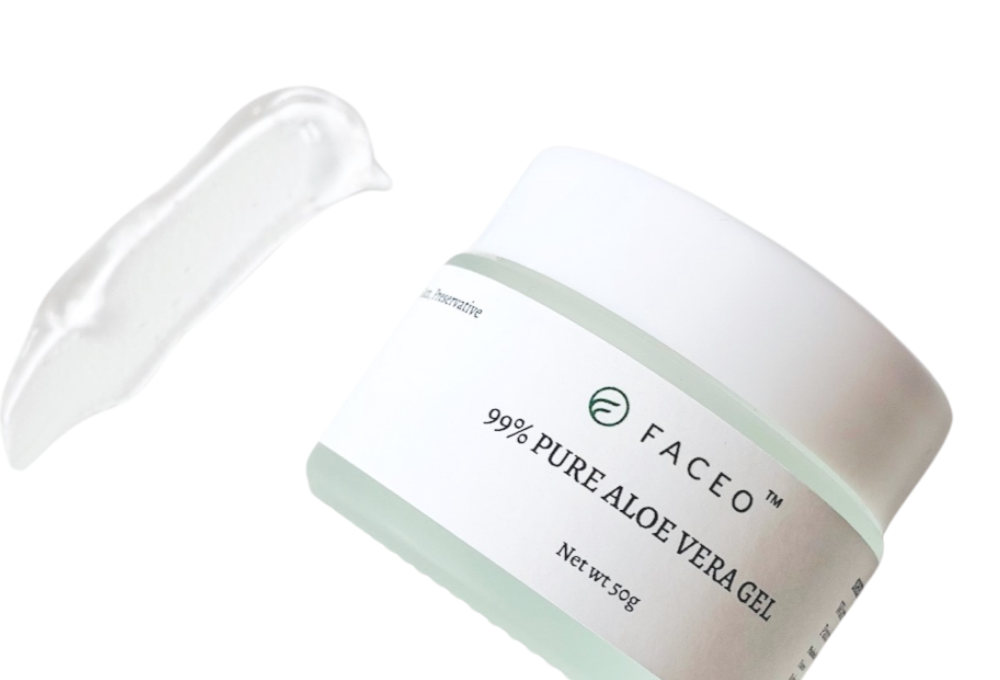
Aloe vera gel
Squalane oil
Lightweight face oil
These reduce:
Razor drag
Friction
Micro-cuts
I always apply a thick layer of cold aloe vera gel as a mask for 10 minutes post-shaving. This step instantly calms my skin and reduces irritation.
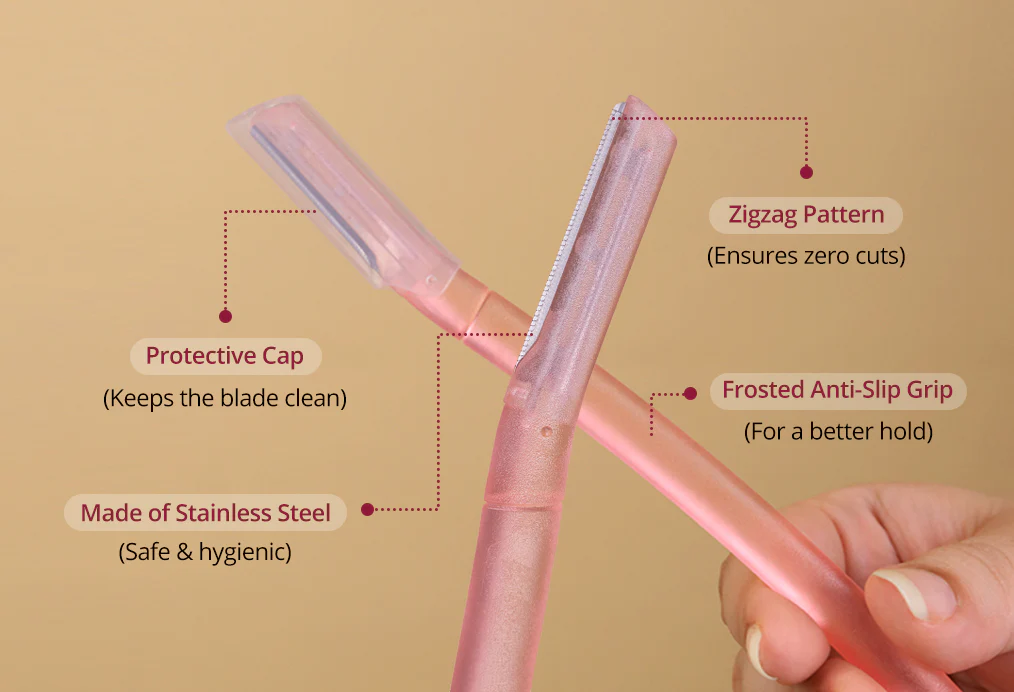
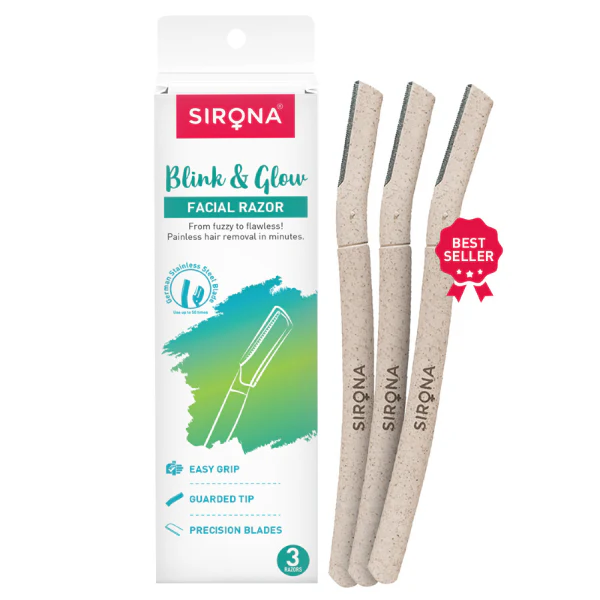
Best Face Razor
Choosing the best face razor matters.
Features:
Single blade
Sharp but gentle
Designed for facial use
Protective blade cover
Tip: Use a new razor every time you shave your face.
Reusing razors increases:
Bacterial contamination
Breakouts
Razor burn
- Cleanse and dry your face
- Apply aloe gel or squalane oil
- Hold the razor at a 45-degree angle
- Use short, downward strokes
- Do not apply pressure
- Stretch skin gently with your fingers
- Wipe the blade after every stroke
- Never rush this step.
American Academy of Dermatology
Common Mistakes to Avoid
Avoid these at all costs:
These mistakes lead to irritation and breakouts.
Magic Shaving Powder
Many people ask about magic shaving powder.
Is Magic Shaving Powder Safe for the Face?
Generally no.
Most shaving powders contain strong chemicals that
Dissolve hair
Can irritate facial skin
Disrupt the skin barrier
If used at all, do a strict patch test and avoid sensitive areas.
Best Alternative
If razors feel uncomfortable, there’s a great alternative.
Braun Facial Hair Remover
This tool:
It’s one of the safest options for regular facial hair removal.
Post-Shaving Skincare
Your skin needs calming and soothing ingredients, so do not use actives post shaving.
Immediately After Shaving
Rinse with cool water
Pat dry gently
- Apply a thick layer of Cold Aloe Vera Gel as a mask for 10 minutes
Wash it off and apply a good moisturiser. You can even use soothing and hydrating toners.
Look for:
Ceramides
Panthenol
Cholesterol
Fatty acids
This step:
Reduces irritation
Prevents dryness
Restores skin strength
What To Not Do After Face Shaving
For 24–48 hours:
No exfoliation
No actives
No scrubs
No heavy makeup
No heat treatments
Let your skin breathe. Use a good moisturiser and sunscreen.
How Often Should You Shave Your Face?
- Razor shaving: once every 2–4 weeks
- An electric hair remover can be used daily. Just make sure not to use actives.
Always listen to your skin and prioritise your skin barrier over everything else.
How to Get Rid of Razor Bumps After Face Shaving
Razor bumps are one of the most common concerns after face shaving, especially if your skin is sensitive or acne-prone.
The good news?
Razor bumps are preventable and reversible when treated correctly.
What Causes Razor Bumps?
Razor bumps usually occur due to:
Shaving without a medium (dry shaving)
Using an old or dull razor
Shaving over active acne
Applying actives immediately after shaving
Damaging the skin barrier
They are not pimples, but inflamed hair follicles and micro-cuts.
If you already have razor bumps, this is what you can do:
1. Stop all actives immediately
Pause:
Using actives on razor bumps worsens inflammation.
2. Use Aloe Vera or Barrier-Calming Ingredients
Use ingredients like:
Aloe vera gel
Panthenol
Centella asiatica
Oat extract
These soothe redness and reduce swelling.
3. Moisturise your skin and use a good sunscreen
A barrier-repairing moisturiser is essential.
Look for:
Ceramides
Cholesterol
Fatty acids
Hydrated skin heals faster and prevents scars.
4. Avoid Touching or Scratching
Picking razor bumps can:
Cause pigmentation
Lead to infection
Delay healing
Let your skin recover naturally.
5. Use Cold Compress
A clean, cold cloth:
Reduces inflammation
Calms itching
Shrinks bumps faster
Use for 3–5 minutes once or twice daily.
How to Prevent Razor Bumps
Prevention is better than a cure. Always use a new razor every time you shave your face.
Never reuse a facial razor.
A dull blade = bacteria + irritation
Use a pre-shave medium.
Shave with:
Aloe gel
Squalane oil
Lightweight facial oil
Never shave on bare skin. Don’t shave too often
With razors:
Over-shaving irritates follicles.
Follow this Rule:
This single step can prevent razor bumps.
Choose Gentle Hair Removal If You’re Prone to Bumps
If razor bumps occur frequently, consider using a facial hair removal tool instead of blades.
These are gentler and suitable for everyday use.
Do you need to exfoliate before or after shaving?
No. Avoid exfoliating on the same day, especially with chemical exfoliants. This prevents ingrown hairs without damaging the skin barrier.
Shaving for Makeup Lovers
Shaving creates:
Makeup sits better when peach fuzz is removed properly.
Face shaving isn’t just another skincare trend. Face shaving gets a bad reputation, but when it’s done correctly, it becomes an effective tool for smoother skin and better product absorption.
Follow the rules:
Your skin will have a smoother texture, a healthy glow, and skincare products that absorb better. I personally love shaving my face every 2–4 weeks, and the difference it makes is unreal. My makeup glides on effortlessly after shaving, giving me that smooth, flawless base every time.
Shaving Tips That Actually Prevent Razor Bumps
Razor bumps don’t appear out of nowhere. They’re almost always the result of improper skin prep, too much friction, dull or dirty razors, or skipping proper aftercare.
The most effective face shaving routine always starts with proper skin prep.
First, always shave on a clean face. Shaving over sweat, residue, or leftover skincare increases bacterial spread and irritation.
Second, never shave on bare skin. Use a medium like aloe vera gel, squalane oil, or a lightweight face oil. This reduces friction and prevents micro-cuts that later turn into bumps.
Third, follow the active rule strictly.
Stop using exfoliating acids, retinoids, and strong vitamin C two days before shaving. These ingredients can compromise your skin barrier and cause razor bumps.
Fourth, use a new face razor every single time. Reusing razors is one of the biggest causes of razor bumps due to bacteria and dull blades.
Finally, after shaving, use a good barrier repair moisturiser. Use a good moisturiser enriched with ceramides, panthenol, or skin-loving fatty acids. When your skin is calm, it heals faster, stays resilient, and is far less likely to develop irritation or inflammation.
When these steps are followed consistently, razor bumps reduce dramatically.
How to Shave Your Face Safely Without Irritation
Start by cleansing your face with a mild, non-stripping cleanser. Pat your skin dry completely, never shave on damp skin.
Apply a thin layer of aloe gel or facial oil. More product does not mean better results; just enough to allow the razor to glide smoothly.
Hold the razor at a 45-degree angle and shave using short, downward strokes. Do not press the razor into your skin. Let the blade do the work.
Avoid going over the same area multiple times. Repeated strokes increase irritation and micro-tears.
Once done, rinse with cool water and gently pat dry.
Immediately follow with a soothing, fragrance-free moisturiser.
For the next 24–48 hours:
Avoid exfoliation
Avoid actives
Avoid heavy makeup
If you’re prone to sensitivity, exfoliate even less frequently.
Tap on the link below for the list of the best barrier repair moisturisers.
Barrier Repair Moisturisers.
Face Shaving Routine for Smooth, Glowing Skin
A proper face shaving routine doesn’t start and end on shaving day, it’s a multi-day process.
2 days before shaving
Stop retinol, AHA, BHA, vitamin C
Keep skincare gentle and hydrating
Shaving day
Cleanse and dry your face
Apply aloe gel or squalane
Use a new face razor
Shave gently in downward strokes
Apply barrier-repair moisturiser
1–3 Days After Shaving
No actives or exfoliation
Focus on hydration and barrier repair
Use calming ingredients like centella or panthenol
Day 4 Onwards
This routine will ensure your skin barrier is intact and will reduce razor bumps and irritation.
Shaving Mistakes You Must Avoid
Many face-shaving issues come from avoidable mistakes.
Never shave:
Avoid shaving too often. With razors, once every 2–4 weeks is enough.
Avoid using body razors on your face. Facial skin is thinner and more delicate.
And most importantly, do not rush. Face shaving requires patience and precision.
Razor Bumps on Face? Do This Instead
If you already have razor bumps, stop using actives immediately and focus on barrier repair. I love using Avene Cicafilate/La Roche Posay Cicaplast.
Immediately stop:
Retinol
Exfoliating acids
Scrubs
Apply soothing ingredients like:
Aloe vera
Centella asiatica
Oat extract
Use a barrier-repair moisturiser twice daily and don’t forget your sunscreen.
Avoid touching or picking bumps, as this can cause pigmentation and scarring.
A cold compress for 3–5 minutes can reduce swelling and redness.
With proper care, razor bumps usually heal within a few days. Do not introduce actives until your skin is completely healed.
Best Face Razor & Shaving Tips for Beginners
If you’re new to face shaving, simplicity is key.
Avoid multi-blade razors meant for the body.
Shave in good lighting
Use short strokes
Stretch skin gently with fingers
Clean the blade after every stroke
Stop immediately if skin feels irritated
If you don’t like using a razor, consider a gentle facial hair removal tool as an alternative. These are safer for daily use and less likely to cause bumps.
Shaving is not harmful, incorrect face shaving is.
When done with the right prep, and aftercare, face shaving can:
FAQs:
1. Can face shaving cause acne?
Face shaving itself does not cause acne. Poor hygiene, old razors, or shaving over active breakouts can trigger breakouts.
2. Is face shaving safe for sensitive skin?
Yes, when done gently with:
3. Can razor bumps turn into dark spots?
Yes, if picked or irritated repeatedly. This is called post-inflammatory hyperpigmentation.
4. Is magic shaving powder better than razors?
Magic shaving powder uses chemicals that dissolve hair and may irritate facial skin. It’s not ideal for sensitive or acne-prone skin.
5. How long should I wait to apply makeup after face shaving?
Wait at least 12–24 hours to prevent clogged pores and irritation.
6. Can men follow this face-shaving routine?
Absolutely. But make sure to use a shaving cream instead of aloe vera gel or oil. Use aloe vera as a mask post-shaving.
8. Does shaving exfoliate the skin?
Yes. Face shaving removes dead skin cells, which is why additional exfoliation is not needed immediately.
9: Can I use actives like retinol after face shaving?
Actives such as retinol, AHA, BHA, and vitamin C should be avoided for 3 days after face shaving to allow the skin barrier to heal.
10: Does face shaving make hair grow thicker?
No, face shaving does not make hair grow thicker or darker. It only cuts hair at the surface level without affecting hair follicles.
Disclaimer
This article is intended strictly for educational and informational purposes only and should not be considered a substitute for professional medical or dermatological advice, diagnosis, or treatment. The information shared in this face shaving guide is based on general skincare knowledge, personal research, and commonly accepted practices, and is not tailored to individual skin conditions or medical histories.
Every skin type is unique, and reactions to face shaving, razors, skincare products, techniques, and post-shave routines can vary significantly from person to person. What works well for one individual may not be suitable for another. Always conduct a patch test before introducing a new razor, product, oil, gel, or skincare ingredient into your routine.
If you have active acne, inflamed breakouts, open wounds, rosacea, eczema, psoriasis, fungal infections, ingrown hairs, a compromised skin barrier, or any other pre-existing skin condition, face shaving may aggravate your skin and lead to irritation, cuts, infections, or post-inflammatory hyperpigmentation. In such cases, it is strongly recommended to consult a certified dermatologist or qualified healthcare professional before attempting face shaving or dermaplaning at home.
This guide does not replace professional consultation. The author and website are not responsible for any adverse reactions, skin damage, or complications that may occur from the use or misuse of the information provided. You are solely responsible for your skincare choices and the way you apply the techniques discussed in this article.
Additionally, some of the links included in this article may be affiliate links. This means we may earn a small commission if you purchase through these links, at no additional cost to you. These commissions help support the time, research, testing, and effort that go into creating honest, detailed, and high-quality skincare content. Rest assured, all opinions expressed are genuine, and we only recommend products we truly believe may add value to your skincare journey.
By reading and using the information in this article, you acknowledge and agree that you are doing so at your own discretion and risk. Always listen to your skin, proceed with caution, and prioritize skin health over trends.