Table of Contents
Introduction
Healthy, strong, and shiny hair has always been a symbol of confidence. While shampoos, serums, and treatments are extremely important, hair oils remain timeless. For centuries, oils have been used across cultures to nourish the scalp, strengthen roots, reduce hair fall, and promote hair growth naturally.
In today’s world of pollution, stress, heat styling, and chemical treatments, hair needs deep nourishment, not quick fixes. That’s where choosing the best hair oils makes all the difference.
In this in-depth guide, we’ll explore 5 powerful hair oils that are backed by tradition, science, and real-world results:
Kalonji Oil
Pumpkin Seed Oil
Avocado Oil
Coconut Oil
Castor Oil
Each oil works differently; some target hair fall, others boost growth, while a few deeply repair damaged strands. By the end of this article, you’ll know which oil suits your hair type, scalp condition, and hair goals best.
Why Hair Oils are Essential for Hair Growth
Before diving into individual oils, it’s important to understand why oiling your hair actually works.
How Hair Oils support Hair Growth
Hair oils help by:
Improving scalp blood circulation
Nourishing hair follicles
Strengthening the hair shaft
Reducing protein loss
Preventing dryness, breakage, and split ends
A healthy scalp is the foundation of healthy hair. When your scalp receives proper nutrients, oxygen, and hydration, hair growth improves naturally.
The Science Behind Hair Growth & How Oils Support the Hair Growth Cycle
Hair growth happens in cycles, and understanding this process helps set realistic expectations from hair oiling.
The Three Stages of Hair Growth
1. Anagen (Growth Phase)
This is the active growth phase, lasting anywhere from 2 to 7 years. Healthy follicles, good blood circulation, and proper nutrition determine how long hair stays in this phase.
2. Catagen (Transition Phase)
A short phase where hair stops growing and detaches from the blood supply. This stage lasts only a few weeks.
3. Telogen (Resting & Shedding Phase)
Hair rests before shedding and making way for new strands. Excess stress, hormonal imbalance, or scalp inflammation can push more hair into this phase, causing noticeable hair fall.
Hair oils do not change genetics, but they play a powerful role in:
Improving scalp circulation
Reducing inflammation
Nourishing follicles
Strengthening existing hair
Regular oiling supports a healthier scalp environment, which helps hair stay longer in the growth phase and reduces excessive shedding.
Traditional Hair Oiling Practices Across Cultures
Hair oiling is not a modern trend, it’s a time-tested practice rooted in traditional medicine systems across the world.
Ayurveda & Indian Traditions:
In Ayurveda, hair is closely linked to overall body balance. Oils like kalonji, coconut, and castor have been used to:
Balance scalp doshas
Improve circulation
Calm stress-related hair fall
Weekly oil massages were considered essential for maintaining strong hair, mental relaxation, and scalp health.
Common Causes of Hair Fall & Slow Hair Growth
Nutritional deficiencies
Hormonal imbalance
Stress & lifestyle
Heat styling & chemical treatments
Scalp issues (dandruff, buildup)
Hair fall rarely has a single cause. In most cases, it is a combination of internal and external factors. Nutritional deficiencies, such as low iron, protein, and biotin, can weaken hair roots. Chronic stress disrupts the hair growth cycle, causing more strands to enter the shedding phase.
Excessive heat styling, frequent coloring, and chemical treatments damage the hair cuticle, making hair prone to breakage. Scalp conditions like dandruff, itchiness, and buildup can clog hair follicles, restricting healthy growth.
This is where regular oiling helps, by restoring scalp balance, improving blood circulation, and delivering essential nutrients directly to hair follicles.
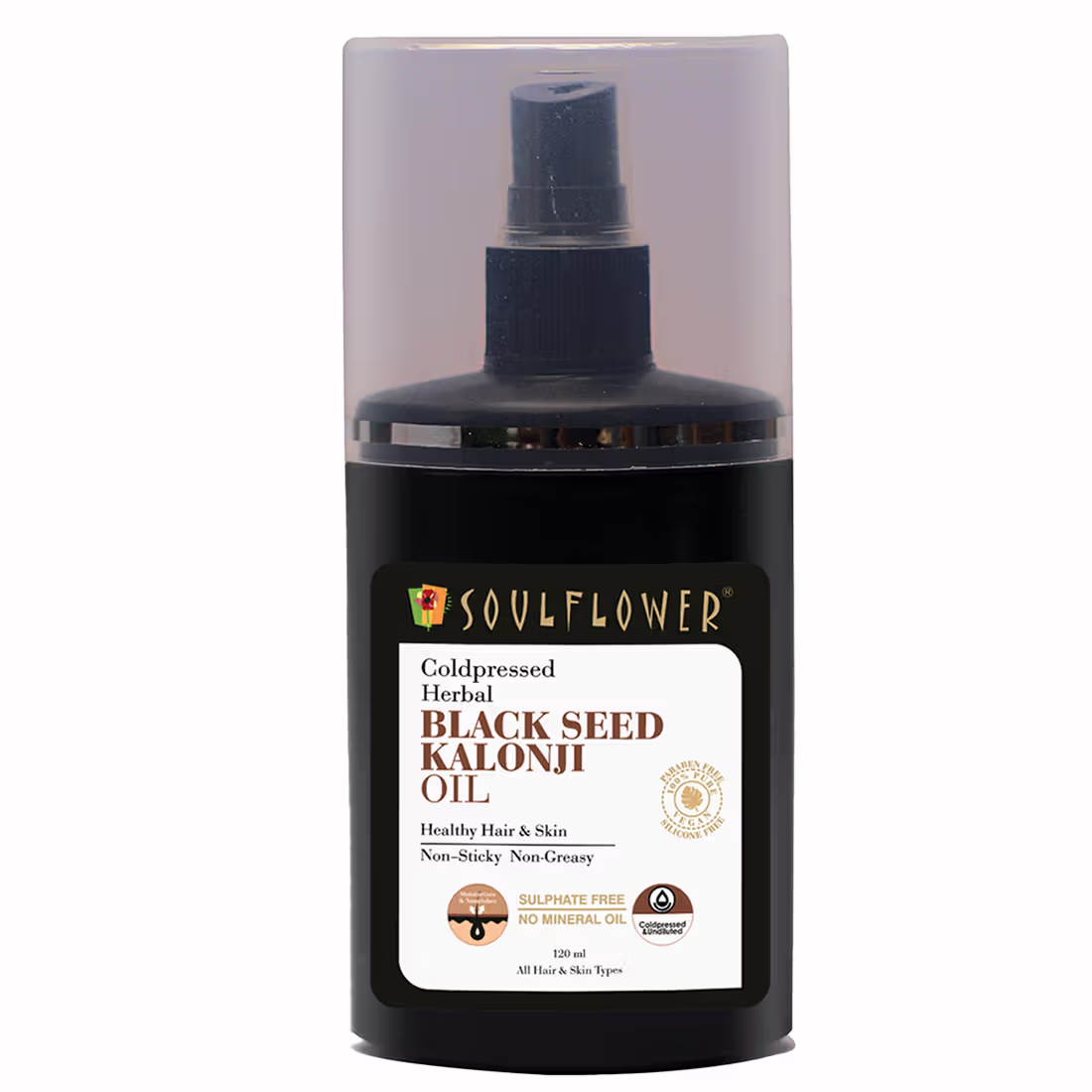
1. Kalonji Oil (Black Seed Oil): The Ancient Remedy for Hair Fall & Regrowth
Kalonji oil, also known as black seed oil, is extracted from the seeds of Nigella sativa. It has been used for centuries in Ayurveda and Unani medicine for hair, skin, and overall wellness.
Why Kalonji Oil is one of the Best Hair Oils for Hair Growth
Kalonji oil is rich in:
Thymoquinone (a powerful antioxidant)
Omega-3 & Omega-6 fatty acids
Amino acids
Vitamins A, B & C
These nutrients work together to reduce hair fall, strengthen roots, and stimulate dormant hair follicles.
Key benefits of Kalonji Oil for hair
Reduces excessive hair shedding
Helps treat dandruff and scalp inflammation
Strengthens weak hair roots
Promotes thicker and fuller hair over time
How to use Kalonji Oil for Hair Growth
Take 1–2 tablespoons of kalonji oil
- You can mix it with a few drops of Rosemary essential oil
Massage gently into your scalp for 5–10 minutes
Leave it on for at least 1 hour
Wash with your favorite shampoo
For best results, use 2-3 times a week.
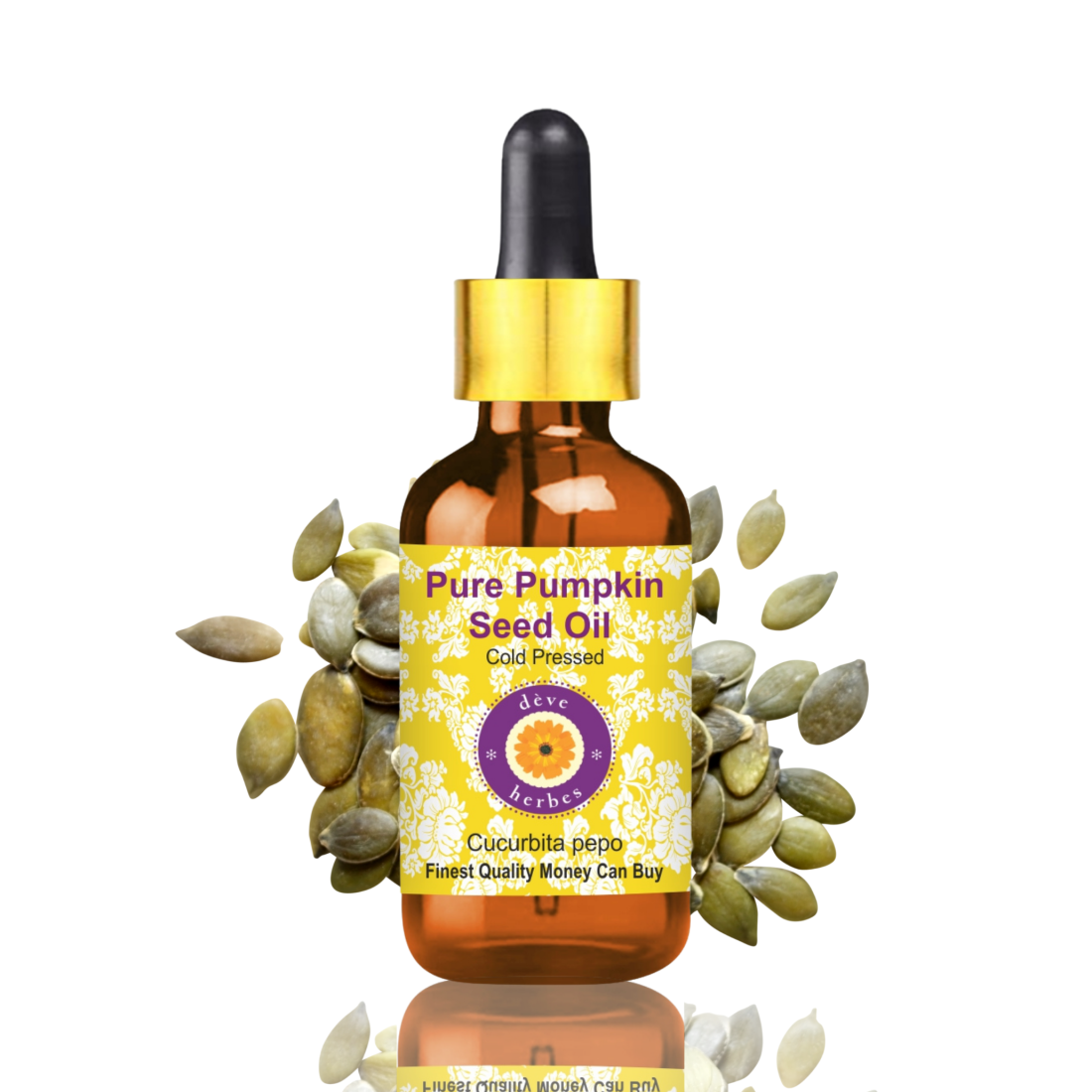
2. Pumpkin Seed Oil:
Pumpkin seed oil has gained significant popularity for its potential role in reducing hair thinning, particularly in cases related to hair loss.
What makes Pumpkin Seed Oil so Effective?
Pumpkin seed oil contains:
Phytosterols
Zinc
Vitamin E
Omega-6 fatty acids
These compounds help block DHT (dihydrotestosterone), a hormone linked to hair loss in both men and women.
Benefits of Pumpkin Seed Oil for Hair
Helps reduce hair thinning
Strengthens hair follicles
Improves scalp health
Adds volume and thickness
Suitable for sensitive scalps
How to use Pumpkin Seed Oil
Mix pumpkin seed oil with a carrier oil
Massage into scalp once or twice weekly
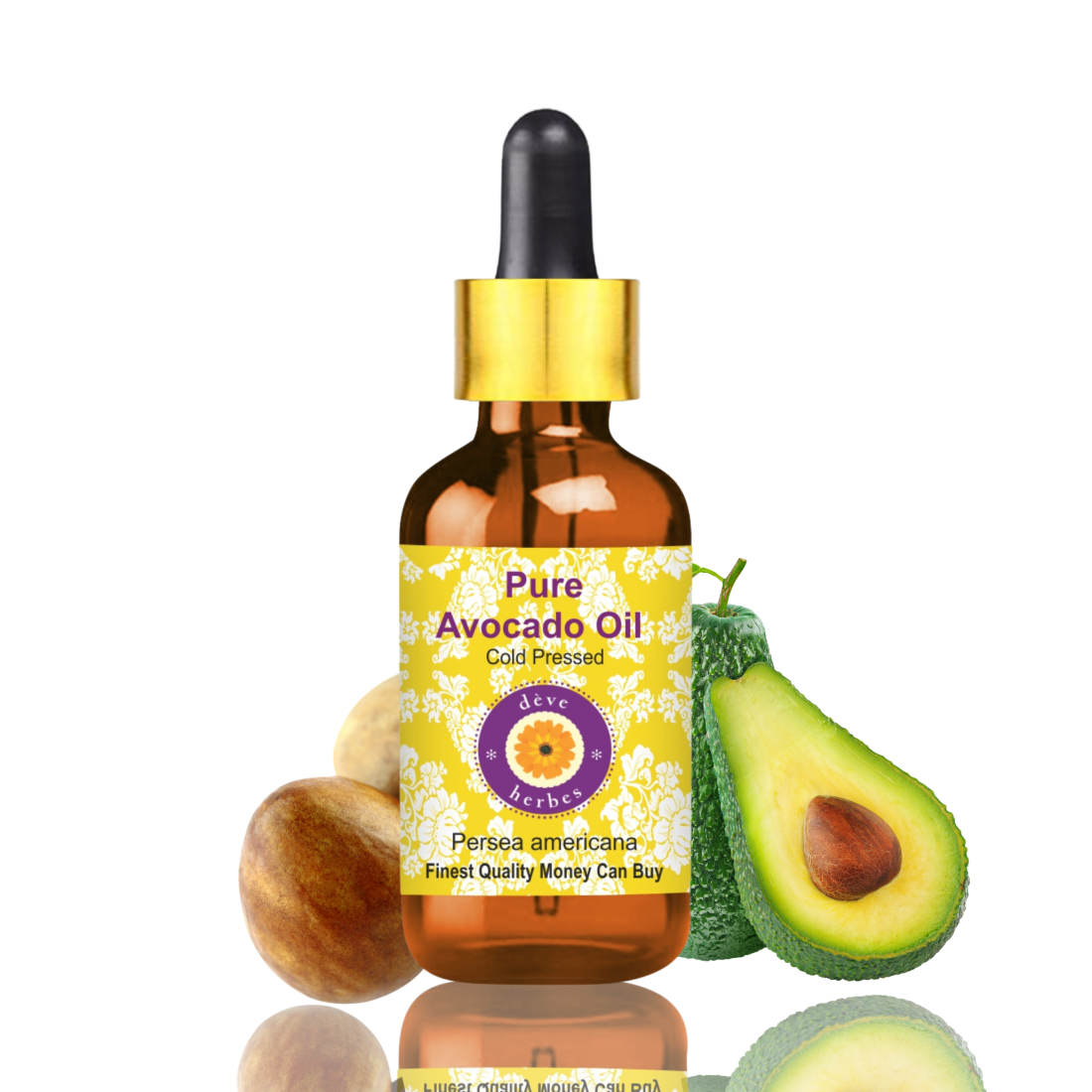
3. Avocado Oil: Deep Nutrition for Dry, Damaged & Frizzy Hair
Avocado oil is a nutrient powerhouse, especially for people struggling with dryness, breakage, or chemically treated hair.
Why Avocado Oil is one of the Best Hair Oils
Avocado oil is rich in:
Vitamin E
Vitamin B5
Biotin
Oleic acid
Antioxidants
Unlike heavier oils, avocado oil penetrates the hair shaft, nourishing hair from within.
Benefits of Avocado Oil for Hair
Deeply moisturizes dry hair
Repairs damage from heat styling
Reduces breakage and split ends
Improves hair elasticity
Enhances natural shine
Best Way to Use Avocado Oil
Apply avocado oil to the scalp and hair length
Perfect for dry, curly, or color-treated hair.
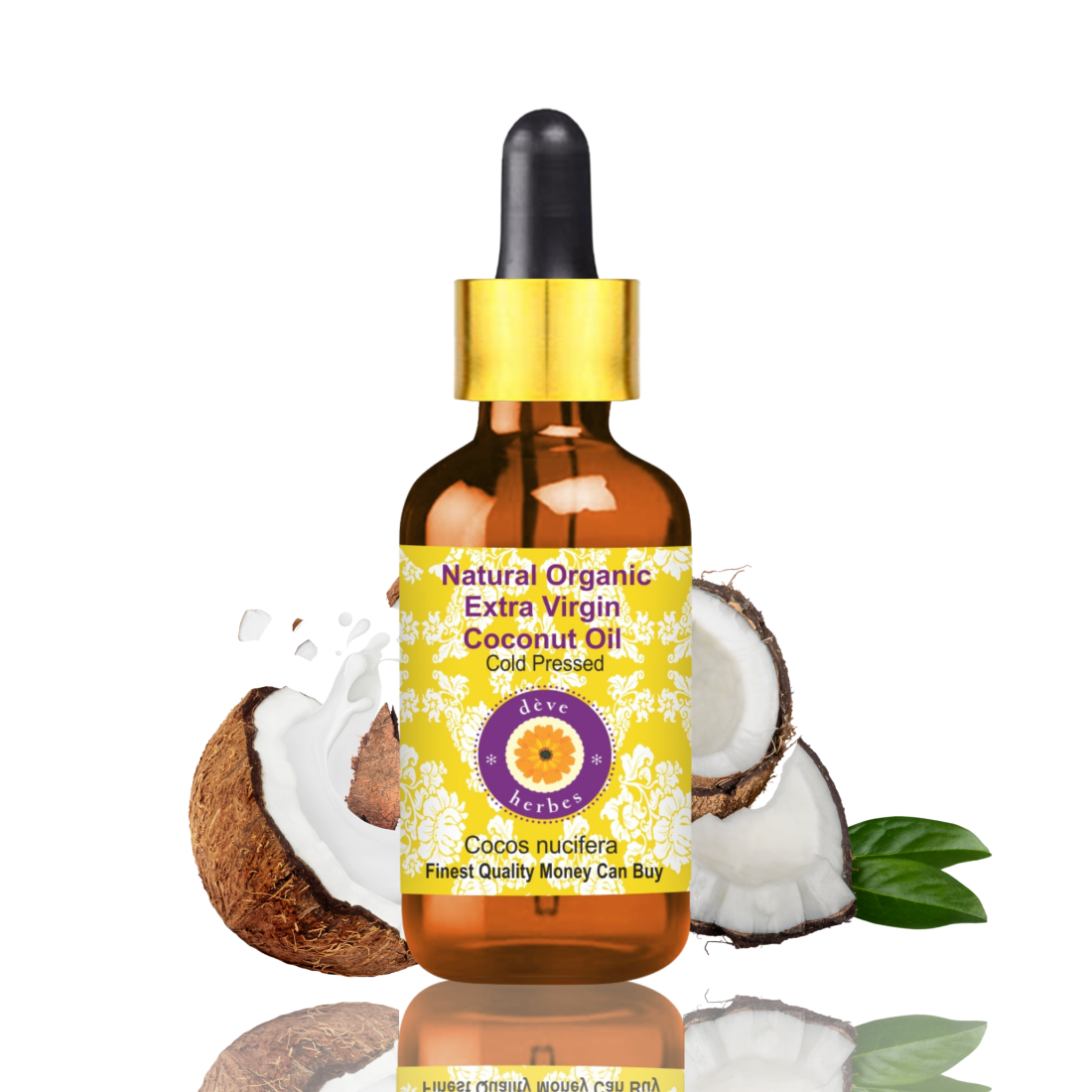
4. Coconut Oil: The Gold Standard for Hair Care
Coconut oil is one of the most researched and widely used hair oils worldwide, and for good reason.
Why Coconut Oil works so well
Coconut oil contains lauric acid, which has a strong affinity for hair proteins. This allows it to penetrate the hair shaft and prevent protein loss.
Benefits of Coconut Oil for Hair Growth
Reduces protein loss
Strengthens hair strands
Prevents dryness and breakage
Adds shine and smoothness
How to use Coconut Oil correctly
Use extra-virgin, cold-pressed coconut oil
Massage into scalp and hair
Leave it on for 1-2 hours for deep conditioning
Wash thoroughly
If you have a low-porosity or acne-prone scalp, use coconut oil sparingly or mix it with lighter oils.
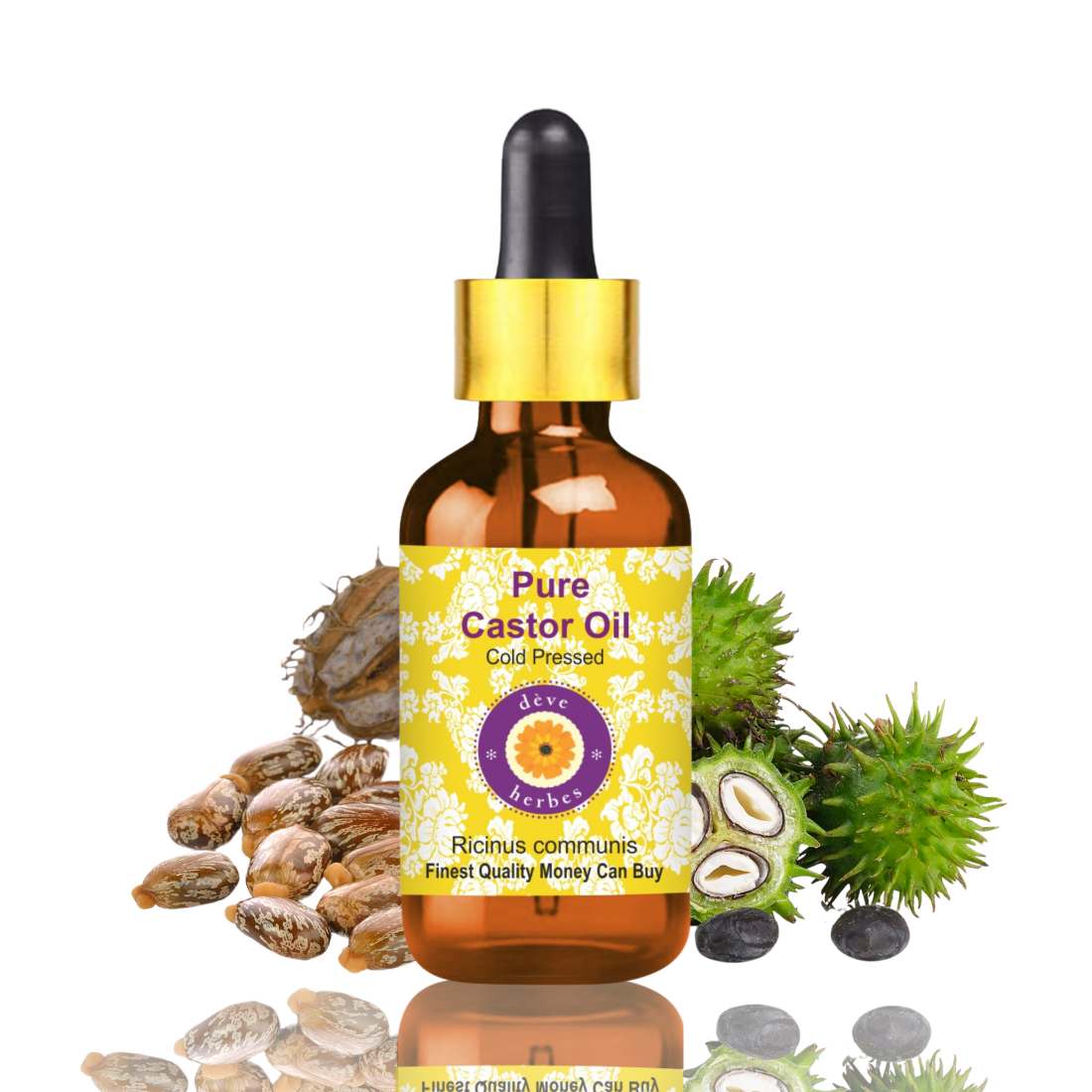
5. Castor Oil: The Ultimate Oil for Thickness & Hair Regrowth
Castor oil is thick, sticky, and incredibly powerful. It’s often considered the holy grail oil for hair regrowth.
Why Castor Oil is so Effective
Castor oil is rich in:
Ricinoleic acid
Omega-9 fatty acids
Vitamin E
These nutrients improve blood circulation to the scalp and nourish follicles deeply.
Benefits of Castor Oil for Hair
Encourages hair regrowth
Improves hair density
Strengthens hair roots
Helps fill bald patches
Adds shine and thickness
How to use Castor Oil Safely
Always mix castor oil with a carrier oil.
- Do not apply castor oil directly to your hair.
Massage gently into the scalp
Leave for 30–60 minutes
Shampoo well
Use once or twice a week only.
How Hair Oils Improve Scalp Health
Different oils support the scalp in different ways:
Kalonji oil: Calms inflammation and supports follicle strength
Pumpkin seed oil: Helps regulate hormones linked to hair thinning
Coconut oil: Protects scalp barrier and prevents protein loss
Avocado oil: Restores moisture to dry, irritated scalps
Castor oil: Boosts circulation and follicle nourishment
A balanced scalp leads to stronger roots, less breakage, and healthier hair growth over time.
How to Choose the Best Hair Oil for Your Hair Type
| Hair Concern | Best Oil |
|---|---|
| Hair fall | Kalonji oil |
| Hair thinning | Kalonji Oil, Pumpkin seed oil |
| Dry, damaged hair | Avocado oil |
| Dull, weak hair | Coconut oil, Avacado Oil |
| Hair Growth | Kalonji Oil, Coconut Oil, Castor oil |
Can you Mix Hair Oils?
Yes. Mixing oils often gives better results.
Powerful Hair Oil Blend for Growth
- 2 tbsp coconut oil
- 1 tbsp kalonji oil
- 1 tsp castor oil
- A Few drops of rosemary essential Oil
Warm slightly and massage into scalp.
How Often Should you Oil your Hair?
- Dry hair: 2–3 times a week
Normal hair: 1–2 times a week
Oily scalp: Once a week
Consistency is key.
Long-Term Benefits of Regular Hair Oiling
With continued use over months, hair oiling can:
Improve scalp resilience
Reduce seasonal hair fall
Maintain thickness with age
Support healthier hair cycles
Hair growth requires consistency, time, and effort.
Which is the Best Hair Oil for Hair Growth?
There is no one-size-fits-all hair oil. The best hair oils for hair growth are Kalonji, Coconut, and Castor Oil.
Want thickness? → Castor oil
Battling hair fall? → Kalonji oil
Facing thinning? → Pumpkin seed oil
Dry & damaged hair? → Avocado oil
Overall nourishment? → Coconut oil
Choose wisely, stay consistent, and let nature work its magic.
Hair Oiling Mistakes that Stop Hair Growth
Over-oiling hair
Not washing oil properly
Using too much castor oil
Aggressive scalp massage
Skipping patch tests
Expecting instant results
Can Hair Oils Improve Hair Texture and Appearance?
Beyond growth and hair fall control, oils significantly improve hair quality.
Regular oiling can:
Reduce frizz and roughness
Improve elasticity
Enhance natural shine
Prevent split ends
Oils coat the hair shaft, protecting it from:
Pollution
UV exposure
Heat styling damage
Over time, this leads to smoother, stronger, and more manageable hair.
Leaving oil overnight is always better:
Not true. For oily or dandruff-prone scalps, overnight oiling can worsen scalp issues.
Hair Growth Is a Journey
Every scalp is different. What works quickly for one person may take longer for another. Genetics, nutrition, hormones, and lifestyle all play a role.
Hair oils:
Support growth
Reduce damage
Strengthen roots
But the real magic happens with patience, consistency, and realistic expectations.
FAQs
Can hair oils regrow bald patches?
Hair oils can help regrow hair in early-stage bald patches, but they are not a miracle cure for advanced baldness. Consult a dermatologist in such cases.
How long does it take to see hair growth results?
Hair growth is a slow biological process, so patience is key.
What to expect:
4-8 weeks: Reduced hair fall and healthier scalp
3-4 months: Improved texture, shine, and strength
5-6 months: Visible new baby hairs and increased density
6 months+: Noticeable growth and thickness (with consistency)
On average, hair grows about 1–1.5 cm per month. Regular oiling improves scalp health, which supports growth but doesn’t speed it unnaturally.
Tip: Results are faster when oiling is combined with:
Gentle scalp massage
Proper nutrition
Stress management
A consistent routine
Is oiling necessary if I use a hair serum?
Yes, hair oils and hair serums serve different purposes, and one cannot fully replace the other.
Difference between hair oil and hair serum:
Hair oil: Nourishes scalp, strengthens roots, supports growth
Hair serum: Smoothens hair, reduces frizz, adds shine
Serums mainly work on the hair shaft, while oils work at the scalp and follicle level. If your goal is hair growth and reduced hair fall, oiling is still necessary.
Use hair oil before washing and hair serum after washing for maximum benefits.
Can I oil my hair after shampoo?
You can, but use lightweight hair oils.
Best ways to oil after shampoo:
Apply a few drops of lightweight oil to damp hair ends
Avoid heavy oils on the scalp after washing
Use oil mainly for moisture and frizz control, not deep treatment
For scalp nourishment and growth benefits, pre-shampoo oiling is far more effective than post-shampoo oiling.
Which oil is best for hair fall?
Hair fall is often linked to stress, hormonal changes, nutritional deficiencies, and scalp issues.
Best oils for women:
Kalonji oil: Reduces excessive hair fall & strengthens roots
Coconut oil: Prevents protein loss and breakage
Avocado oil: Ideal for dry, damaged, and chemically treated hair
For severe hair fall: Kalonji oil + coconut oil
For postpartum or stress-related hair fall: Kalonji oil + castor oil (diluted)
Consistency and gentle scalp massage make a big difference.
Can men use these oils for hair thinning?
Yes, men can absolutely use these oils, especially in the early stages of hair thinning.
Best oils?:
Pumpkin seed oil: Helps reduce DHT-related hair thinning
Kalonji oil: Strengthens roots and improves scalp health
Castor oil (diluted): Improves thickness and density
While oils won’t stop genetic baldness completely, they can:
Slow down thinning
Improve hair quality
Support regrowth in early stages
For best results, combine oiling with:
Consistent scalp care
Healthy diet
Early intervention
Disclaimer
The information provided in this article is intended for general educational and informational purposes only and is not a substitute for professional medical advice, diagnosis, or treatment. Hair health, hair growth, and hair fall are influenced by multiple factors including genetics, age, hormonal balance, nutritional status, underlying medical conditions, lifestyle habits, stress levels, and environmental factors. As a result, individual results may vary significantly from person to person.
The hair oils and ingredients discussed in this article are based on traditional use, general research, personal experience and commonly available information. They are not intended to diagnose, treat, cure, or prevent any medical condition, including but not limited to alopecia, scalp infections, hormonal hair loss, or autoimmune-related hair disorders.
Before using any hair oil or new hair care product, it is strongly recommended to perform a patch test to rule out possible allergic reactions or sensitivity, especially if you have sensitive skin, a reactive scalp, or a history of allergies. Essential oils, if mentioned, should always be diluted properly and used with caution.
If you are experiencing severe, sudden, or persistent hair fall, scalp pain, redness, itching, scaling, bald patches, or hair loss accompanied by other symptoms, please consult a qualified dermatologist, trichologist, or healthcare professional for personalized evaluation and treatment. Pregnant or breastfeeding individuals, people with existing medical conditions, or those undergoing medical treatments should seek professional advice before introducing new hair care routines or products.
While regular hair oiling can support scalp health, reduce breakage, and improve overall hair condition, it should be viewed as a supportive hair care practice, not a guaranteed solution or replacement for medical treatment when required. No claims are made regarding permanent hair regrowth or prevention of genetic hair loss.
The author and publisher of this content are not responsible for any adverse effects, loss, or damage resulting from the use or misuse of the information provided. Always read product labels carefully and follow manufacturer instructions.
By using this information, you acknowledge that you are responsible for your own hair care decisions and outcomes.
For more hair care tips, visit: GlowWithFaceo