Table of Contents
Introduction
Sunscreen should protect, but it shouldn’t feel like armor. Let’s be honest, we all love glowing skin, but the moment a sunscreen feels sticky or heavy, it ends up sitting untouched in our drawer. That’s why finding one that truly protects and feels comfortable is a total game-changer. Whether you’re commuting in the city, heading to the beach, or chilling indoors with windows open, one thing’s for sure: a good sunscreen isn’t optional. But with so many options out there, how do you pick the right one? Today I’m sharing five of the best sunscreens that blend protection + wearability, the kind you’ll actually want to wear everyday.
Why Daily UV Protection Is Non-Negotiable for Healthy Skin
Daily exposure to ultraviolet radiation is one of the biggest contributors to premature ageing, pigmentation, uneven skin tone, and loss of elasticity. Even brief exposure during commuting, sitting near windows, or walking outdoors accumulates over time.
According to research shared by Harvard Health and Cleveland Clinic, UVA rays penetrate deep into the skin and are present all year round, regardless of the weather. This means protection isn’t seasonal, it’s a daily essential.
Consistent UV defence helps:
Prevent dark spots and tanning
Protect collagen and elastin
Maintain an even skin tone
Support long-term barrier health
Think of it as your daily anti-ageing foundation, not an optional extra.
Essential Factors to Look for in a Good Sunscreen
Before we dive into our top picks, let’s cover the key criteria that are required:
It is broad-spectrum (protects against both UVA + UVB rays). The Skin Cancer Foundation+2Harvard Health+2
It has SPF 30 or above (for everyday, experts recommend at least SPF 30), and for heavy sun exposure, higher. American Academy of Dermatology+2Cleveland Clinic+2
The texture + finish make you want to wear it, comfort drives consistency. lonestaronc.com
It suits your skin type (oily, dry, sensitive, outdoorsy, indoors, etc.).
You apply it properly (enough amount, reapply often). REI+1
Keeping that checklist in mind, here are 5 excellent options. Lightweight (often marketed as “fluid”, “serum”, or “aqua” sunscreens) are formulated to absorb quickly, avoid greasiness, and layer well under makeup. Many modern lightweight formulas blend advanced chemical filters or hybrid combinations (chemical + physical) to achieve high UV protection without thickness or heavy white cast, making them ideal as your daily best sunscreen pick. Cosmetic scientists in Korea and France have led this trend of elegant, skincare-infused formulas.
In this post, we’ll explore the 5 best lightweight sunscreens that protect your skin from UV damage without that greasy or chalky finish. Whether you prefer a chemical, physical(mineral), or a hybrid formula, I’ve got you covered.
Understanding SPF & PA Rating
Most people only look at the SPF number, but sun protection goes beyond SPF.
What SPF really means
SPF measures protection against UVB rays, which cause sunburn and contribute to skin cancer.
SPF 30 blocks ~97% of UVB
SPF 50 blocks ~98–99% of UVB
The difference seems small, but in high-UV regions like India, SPF 50 offers more margin for error, especially if you don’t apply enough.
Why PA rating matters
PA rating indicates protection against UVA rays, which penetrate deeper into the skin and cause:
Tanning
Hyperpigmentation
Melasma
Premature ageing
Look for PA+++ or PA++++ for daily use. Dermatology bodies like the American Academy of Dermatology and the Skin Cancer Foundation consistently stress UVA protection as non-negotiable.
Always look for SPF 50+ PA++++
Why lightweight sunscreens are worth it
Gone are the days of thick, white-cast formulas that feel sticky. I love using an incredibly thin formula, giving me that “barely there” feeling.
They’re perfect for:
Everyday wear (even indoors)
Oily or combination skin
Hot, humid climates
Layering under makeup
When a sunscreen feels weightless, you’re way more likely to apply the right amount, and that’s what gives you real protection.
The best sunscreen is the one you apply generously and consistently.
Heavy, greasy formulas often lead to:
Under-application
Skipping reapplication
Avoiding daily use
Lightweight formulas solve this by:
Absorbing faster
Sitting well under makeup
Feeling invisible on the skin
That’s why Korean and French formulations dominate the “best daily sunscreen” category globally.
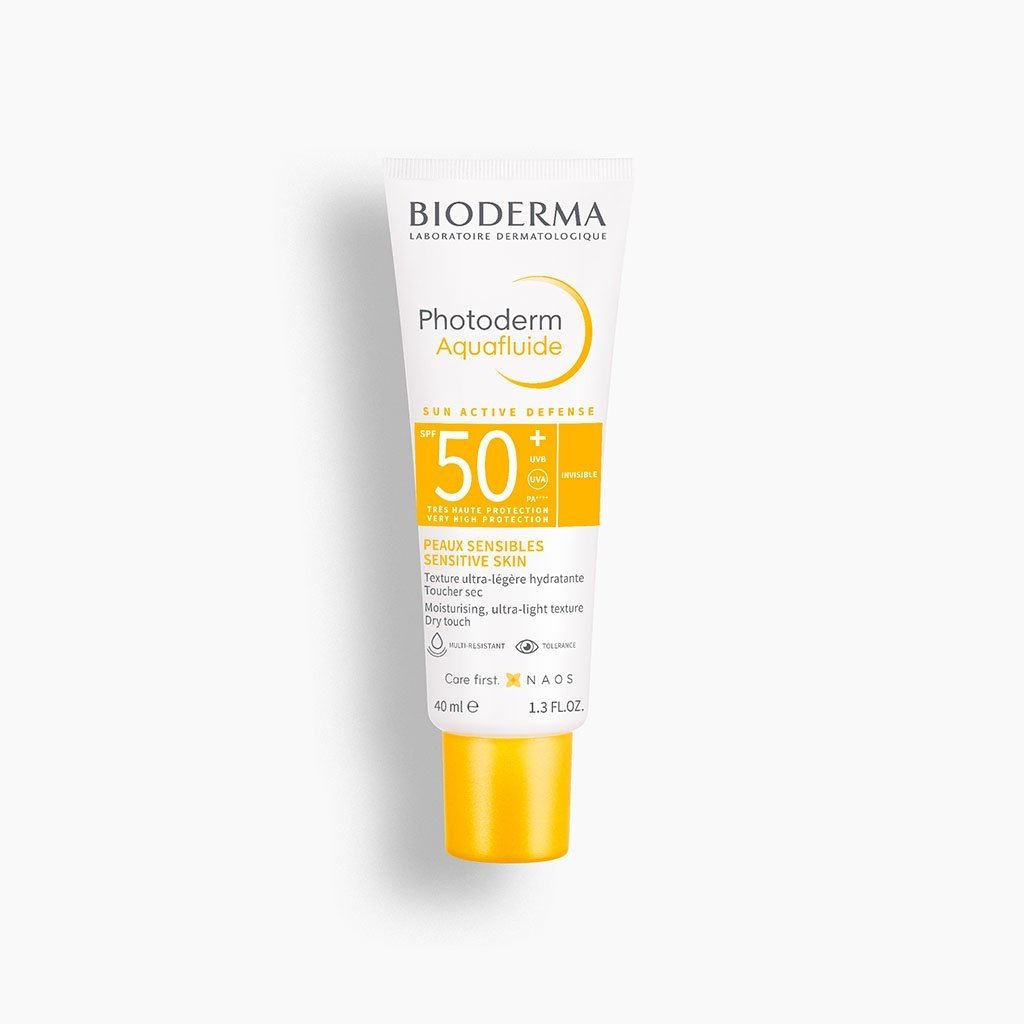
1. Bioderma Photoderm Aquafluide SPF 50+
Best for: Normal, Combination, and Oily skin
This one’s a true classic. Bioderma Aquafluide feels like water when applied, it absorbs in seconds, leaving your skin smooth and matte.
What makes it special:
It uses modern chemical filters like:
Diethylamino Hydroxybenzoyl Hexyl Benzoate (Uvinul A Plus)
Bis-Ethylhexyloxyphenol Methoxyphenyl Triazine (Tinosorb S)
Diethylhexyl Butamido Triazone
These advanced filters ensure full-spectrum protection.
Why you’ll love it:
It’s oil-free, non-greasy, and perfect for everyday use. If you hate the feeling of sunscreen but want a high protection sunscreen, add this to your cart right away.
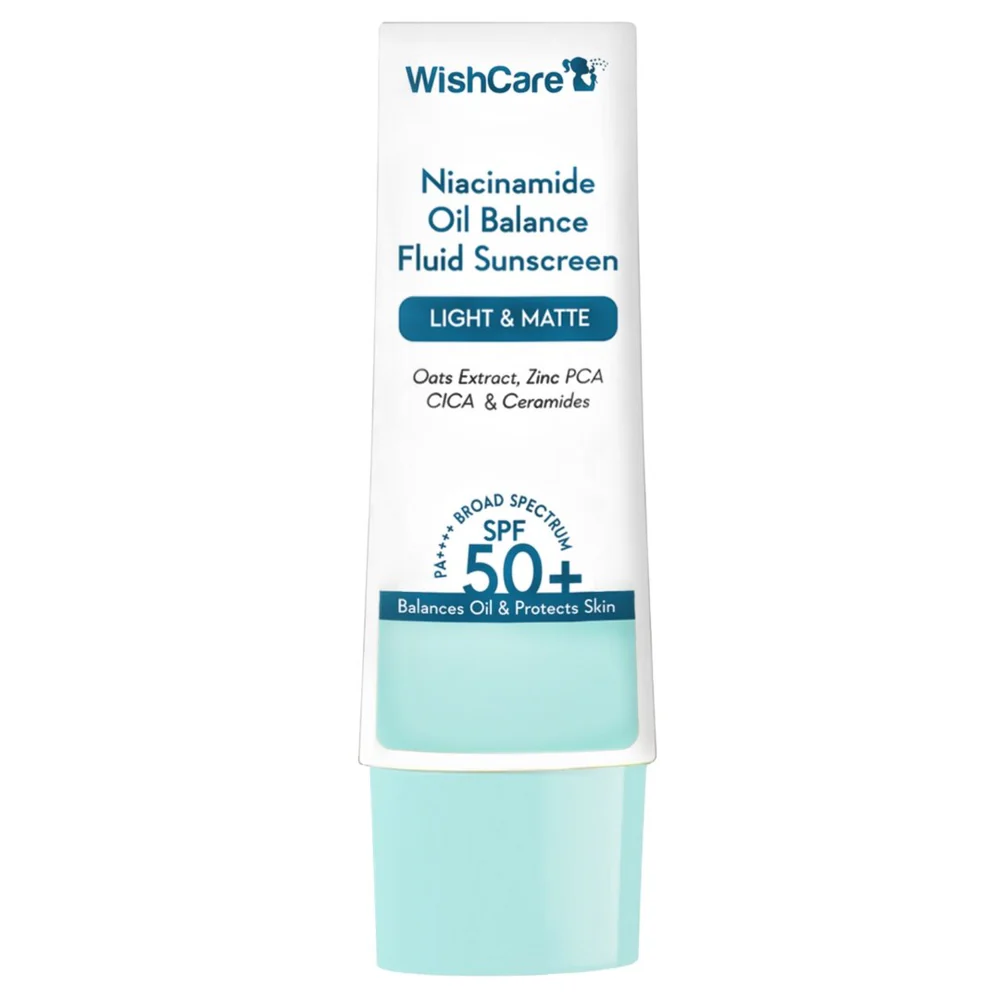
2. Wishcare Niacinamide Oil Balance Fluid Sunscreen
Best for: Oily, acne-prone, sensitive skin
If you struggle with greasy sunscreens that clog pores, WishCare’s Niacinamide Sunscreen will feel like a dream. It’s a hybrid sunscreen, meaning it combines both chemical and physical filters.
What’s inside:
Niacinamide (5%) or oil control and brightening
Zinc PCA and ceramides to strengthen your barrier
Why you’ll love it:
It leaves a soft matte finish. The niacinamide helps reduce oil production and fade dark spots, so it’s skincare and sun care in one.
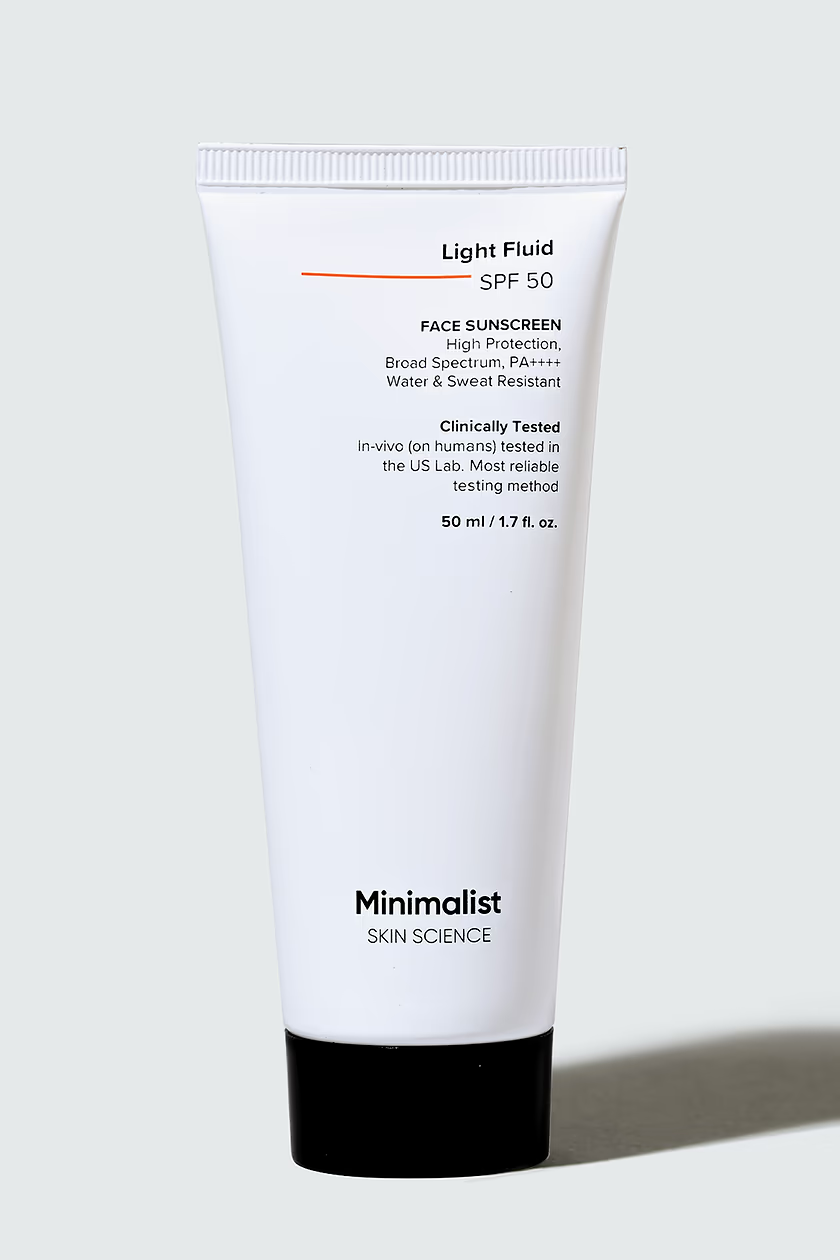
3. Minimalist Light Fluid SPF 50:
Best for: All skin types
The Minimalist Fluid Sunscreen is an ultra-light chemical sunscreen that blends beautifully into the skin without residue.
UV filters it uses:
Uvinul A Plus (UVA protection)
Tinosorb M (broad-spectrum protection)
Ethylhexyl Methoxycinnamate (UVB filter)
This trio ensures balanced coverage against both UVA and UVB rays, making it ideal for daily use.
Why you’ll love it:
The watery texture sinks in instantly, and the finish is neither too matte nor too dewy. It’s fragrance-free and tested for sensitive skin.
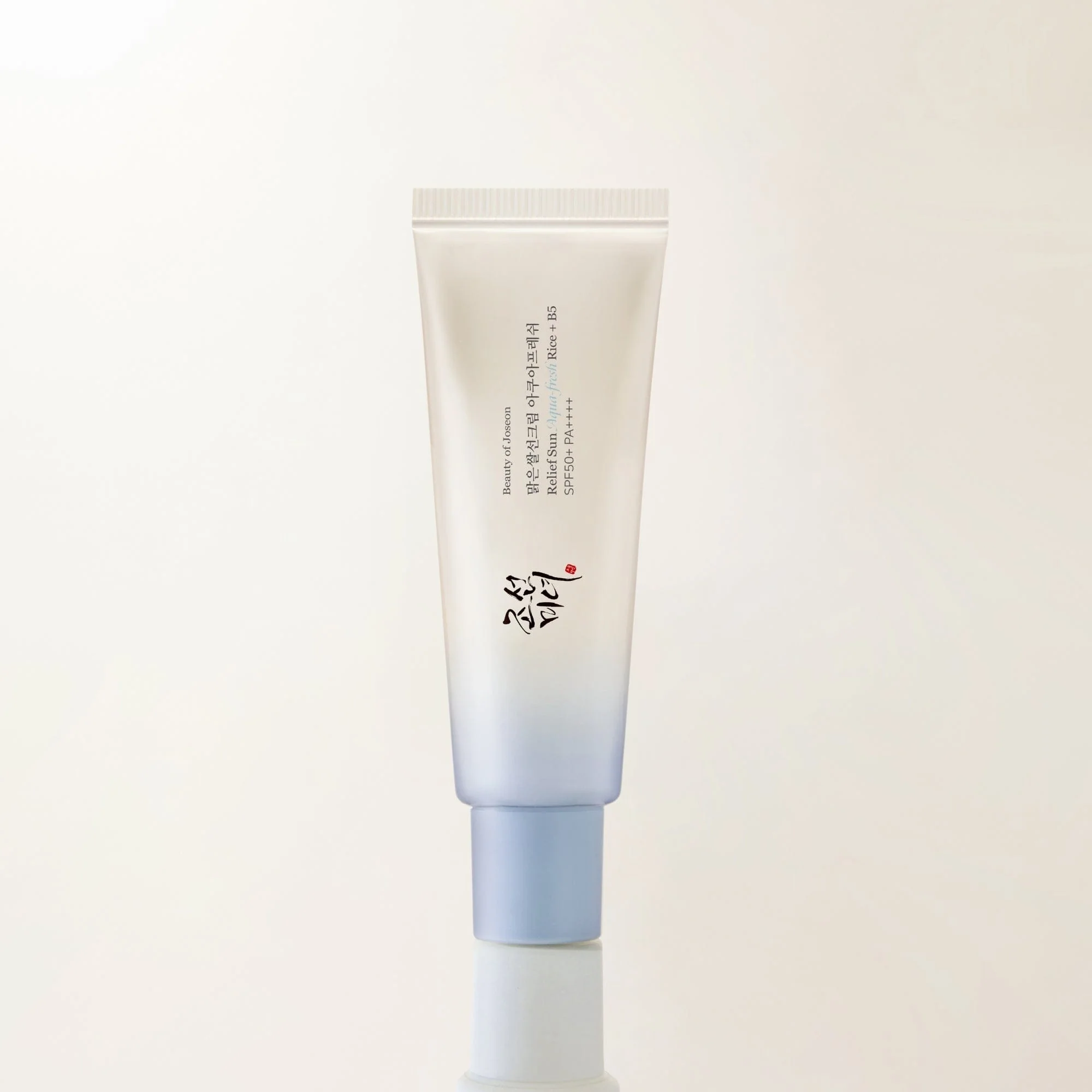
4. Beauty of Joseon Aqua Sunscreen:
Best for: All skin types
This one’s viral for a reason. It is is a K-beauty cult favorite known for its milky texture and dewy glow.
Filter Type: Chemical sunscreen using next-generation Korean UV filters like
Uvinul A Plus and Tinosorb M (modern, photostable UVA/UVB filters)
Skincare goodness:
Rice Extract and Niacinamide for glow
Panthenol and Green Tea Extract for calming
Why you’ll love it:
It feels like a lightweight moisturizer, not a sunscreen. No white cast, no stickiness, just hydrated, luminous skin.
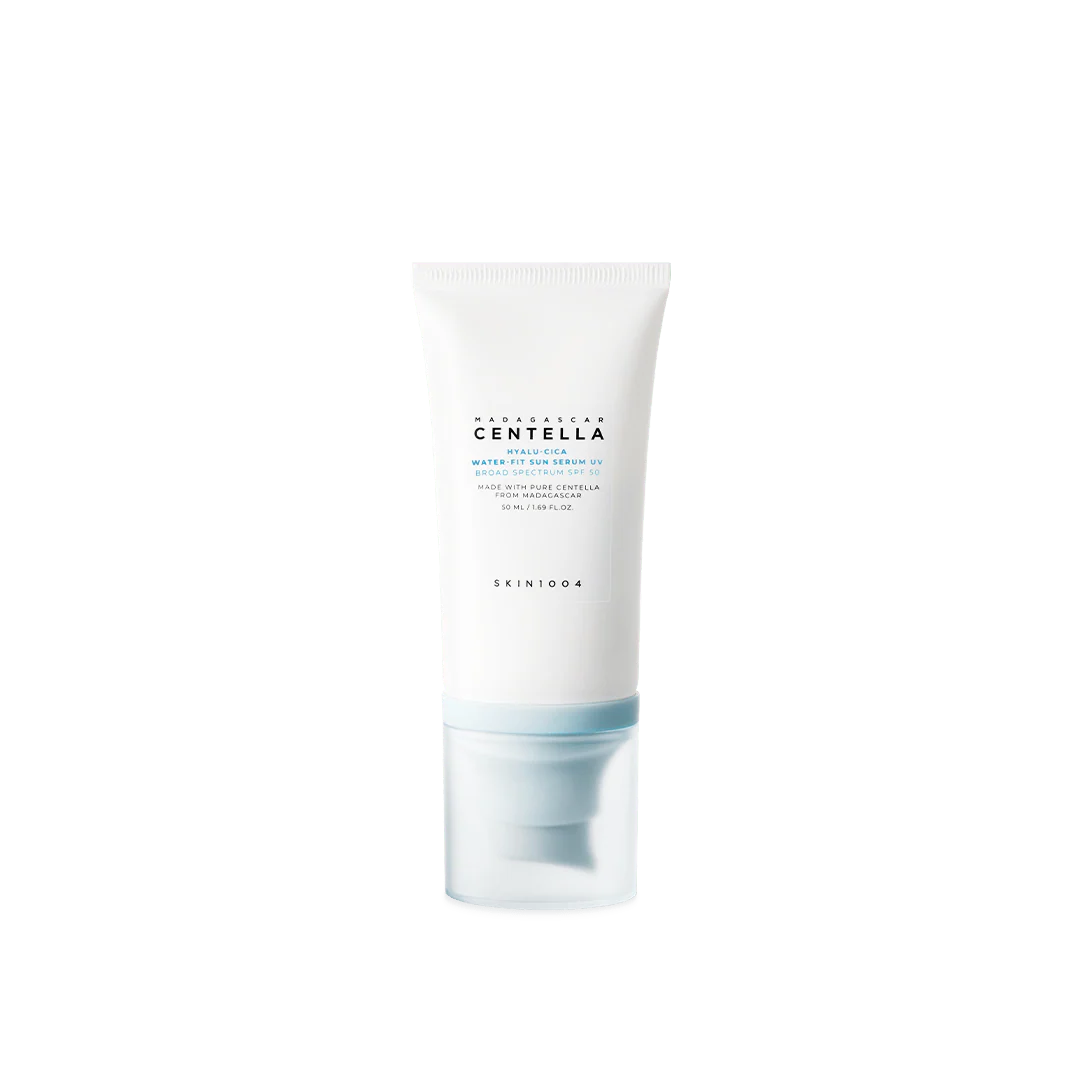
5. Skin1004 Madagascar Centella Hyalu-Cica Water-Fit Sun Serum
Best for: Sensitive skin
SKIN1004 offers two main versions:
Hyalu-Cica Water-Fit Sun Serum (Chemical) — Lightweight, hydrating, no white cast
Air-Fit Suncream (Mineral) — Contains physical filters- Zinc Oxide for sensitive skin
Both versions are infused with Centella Asiatica extract (famous for soothing redness and strengthening your skin barrier).
Why you’ll love it:
If you want a choice between chemical or mineral formulas, SKIN1004 lets you pick your comfort level; both are beautifully lightweight and gentle.
If you want a zero-white-cast finish and fluid texture, a chemical or hybrid is your best bet. For barrier repair or post-treatment skin, mineral ones like SKIN1004 Air-Fit are a better choice.
Using Sunscreen With Vitamin C
Vitamin C boosts UV protection when layered correctly.
Routine order:
Cleanser → Vitamin C → Moisturizer → Sunscreen
This combination helps:
• Reduce oxidative stress
• Enhance brightening
• Protect collagen
Skipping sunscreen while using vitamin C defeats the purpose.
How To Pick Which One is Best For You
Here are some quick tips to match your skin + lifestyle to the right sunscreen:
Oily / combination skin → People often recommend matte finish, but I would always prefer and recommend lightweight formulas.
Dry skin → pick a formula with hydrating benefits, dewy finish.
Sensitive skin → look for mineral/physical filters (though our list leans more general). Also check for “fragrance-free”. The Skin Cancer Foundation+1
Outdoor / sweating / tropical climate (like here in India) → make sure it’s water-/sweat-resistant, but reapplication is a must even if it’s water-resistant.
Makeup layering → a sunscreen that absorbs quickly, leaves minimal residue, is key for comfortable wear under foundation.
Application + Usage Tips:
Even the best sunscreen fails if used wrong. So:
Use enough: For face/neck, we’re talking ½ teaspoon. For the body, about a shot-glass full. REI+1
Apply every morning, even on cloudy days or indoors if near windows, UVA rays penetrate clouds and glass. CeraVe
Reapply every ~2 hours if you’re outdoors, swimming, or sweating. Verywell Health
Choose “broad-spectrum” (UVA + UVB) protection. curemelanoma.org
Don’t rely solely on high SPF to compensate for low application amount. A well-applied SPF 30 can outperform a poorly applied SPF 50. CeraVe+1
Pair sunscreen with other sun-protective habits: shade, hats, sunglasses, UPF clothing. It’s a full strategy. Genesis Cancer
–Apply enough: Around 1/4 teaspoon for your face and neck.
–Reapply every 2–3 hours: Especially if you’re outdoors or sweating.
–Layer properly: Use after moisturizer and before makeup.
–Don’t skip cloudy days: UV rays still reach you.
Remember — the best sunscreen is the one you’ll actually wear every day.
Sunscreen Mistakes That Ruin Protection
Even with the best sunscreen, these mistakes can reduce protection.
Using too little product
Skipping neck, ears, eyelids
Not reapplying outdoors
Relying only on SPF makeup
Thinking “indoors = no sunscreen”
According to studies cited by the Cleveland Clinic, UVA rays penetrate glass, making it essential even indoors if you sit near windows.
How UV Damage Shows Up Over Time
One of the biggest myths around sunscreen is that you only need it if you burn easily. In reality, sun damage is often silent and cumulative. You may not see immediate redness, but UVA rays quietly penetrate deeper layers of the skin every single day.
Over time, this leads to:
• Gradual tanning that doesn’t fade
• Uneven skin tone and stubborn pigmentation
• Enlarged pores and rough texture
• Fine lines appearing earlier than expected
• Skin that becomes more sensitive and reactive
This is why people who skip sunscreen often feel like their skincare “stopped working.” No amount of serums or treatments can fully reverse the ongoing damage caused by UV exposure. Sunscreen acts as a protective shield, allowing your skincare routine to actually do its job.
Think of it this way:
Skincare repairs. Sunscreen prevents. Without prevention, repair becomes an uphill battle.
Sunscreen isn’t glamorous, but it’s one of the most important steps for your skin’s long-term health: from preventing premature ageing (discoloration, wrinkles) to reducing the risk of sun-driven damage. The “best sunscreen” on your shelf is the one you’ll actually use every day, not the one that sits too heavily or is uncomfortable. lonestaronc.com
Final Thoughts & Key Tips
- Pick a sunscreen with SPF 30+ (indoors) or SPF 50+, and PA+++ or higher, for good daily protection in India.
Reapplication is crucial — every 2-3 hours if outdoors, after sweating or towel-drying.
Texture matters: oily skin → fluid/gel; dry skin → richer cream or hydrating sunscreen.
Don’t forget neck, ears, arms- sun exposure isn’t just your face.
The links above (external) take you to full product pages so you can check ingredient lists, real user reviews, and the latest pricing.
My Top Picks
If I had to choose just one?
For everyday wear, I love Beauty of Joseon or Wishcare Niacinamide.
For oily skin and Indian weather, go for WishCare Niacinamide.
For a glowy, Korean-skin finish, Beauty of Joseon wins hands down.
All five are lightweight, non-greasy, and perfect for daily use. No excuses, your perfect sunscreen is right here waiting.
Pick one and make it a part of your morning routine.
Skincare → sunscreen → makeup (or skip makeup) → reapply when needed.
Sunscreen Is the Ultimate Long-Term Skin Investment
No serum, facial, or treatment will give you results if you don’t wear a sunscreen.
Sunscreen:
• Preserves your glow
• Protects your barrier
• Prevents premature ageing
• Reduces pigmentation
• Makes every other product work better
If there’s one skincare step you never skip, let it be this one.
Your future skin will thank you.
FAQs
Is lightweight sunscreen enough for the Indian sun?
Yes, if it’s SPF 50, PA++++, and applied correctly.
Is daily protection necessary even if I stay indoors?
Yes. UVA rays pass through windows and contribute to pigmentation and ageing.
Can oily skin skip sunscreen?
No. Skipping sunscreen worsens oiliness, pigmentation, and acne scars.
Is gel better than cream?
Texture matters less than filters + consistency of use. Choose what you’ll wear daily.
Can sunscreen replace moisturizer?
Some hydrating sunscreens can, but barrier-repair routines still benefit from a light moisturizer underneath.
Is white cast bad for protection?
No, but it reduces compliance, which indirectly reduces real-world protection.
Can I layer this under makeup?
Yes. Lightweight formulas are designed to sit comfortably under base products.
Disclaimer
The information provided in this blog is intended for educational and informational purposes only. It is based on general skincare knowledge, publicly available research, dermatology guidelines, ingredient analysis, brand-provided information, and personal experience. This content is not intended to diagnose, treat, cure, or prevent any medical or dermatological condition, nor should it be considered a substitute for professional medical advice. Always perform a patch test before trying any new skincare product, and consult a dermatologist if you have sensitive skin, existing skin conditions, or specific concerns. Product results may vary from person to person.
Skincare is highly individual and subjective. Each person’s skin type, sensitivity level, lifestyle, climate, medical history, and existing skin conditions are different. As a result, products, ingredients, or routines that work well for one individual may not produce the same results for another. The effectiveness, tolerance, and outcomes of using any skincare product mentioned in this blog may vary from person to person.
While every effort has been made to ensure the accuracy of the information at the time of writing, skincare formulations, ingredient lists, claims, pricing, and product availability are subject to change at the discretion of brands and manufacturers. Readers are strongly encouraged to verify the most up-to-date information directly from the brand’s official website, packaging, or authorized retailers before making a purchase or incorporating a product into their routine.
This blog does not replace consultation with a qualified dermatologist, healthcare professional, or medical practitioner. If you have sensitive skin, chronic skin conditions (such as acne, rosacea, eczema, melasma, or psoriasis), allergies, are pregnant or breastfeeding, or are undergoing dermatological treatments, you should consult a professional before introducing any new skincare product, including sunscreen.
A patch test is strongly recommended before using any new product. Apply a small amount to a discreet area of skin and observe for 24–48 hours. Discontinue use immediately and seek professional medical advice if you experience irritation, redness, itching, burning, stinging, breakouts, or any adverse reaction.
Any references to research institutions, dermatology organizations, or external sources are for general awareness and educational context only. Mentioning these sources does not imply endorsement, sponsorship, or affiliation unless explicitly stated.
This blog may contain affiliate links. If you choose to purchase products through these links, the website may earn a small commission at no additional cost to you. These commissions help support the research, testing, and time invested in creating honest, in-depth skincare content. Please note that affiliate partnerships do not influence product recommendations—all opinions shared are genuine and based on personal evaluation, ingredient formulation, and overall performance.
All brand names, product names, trademarks, logos, and images referenced in this blog are the property of their respective owners. Any product images used are for illustrative and informational purposes only. No ownership or infringement is intended.
By reading this blog, you acknowledge that you are responsible for your own skincare choices and results. The author and website assume no liability for any adverse effects, misuse, or outcomes resulting from the use of information or products mentioned in this article.
Always listen to your skin. When in doubt, professional guidance is the safest choice.
For more such helpful skincare blogs, follow GlowWithFaceo