Table of Contents
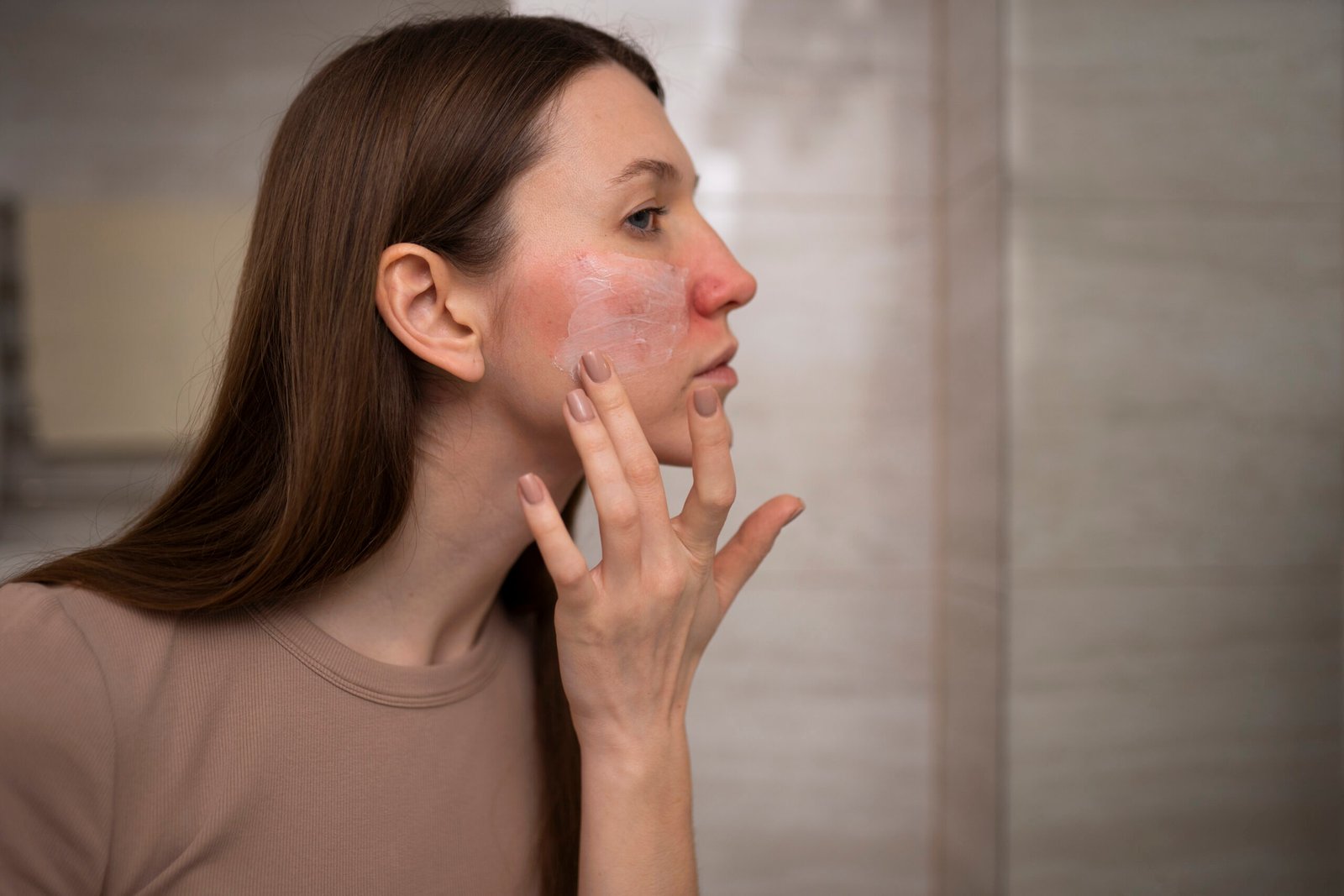
Your skin is your body’s first line of defence, and skin barrier repair is essential for maintaining a healthy, glowing complexion. The skin barrier locks in hydration, keeps out irritants, and shields against environmental damage. But when compromised, it can lead to dryness, redness, sensitivity, and breakouts.

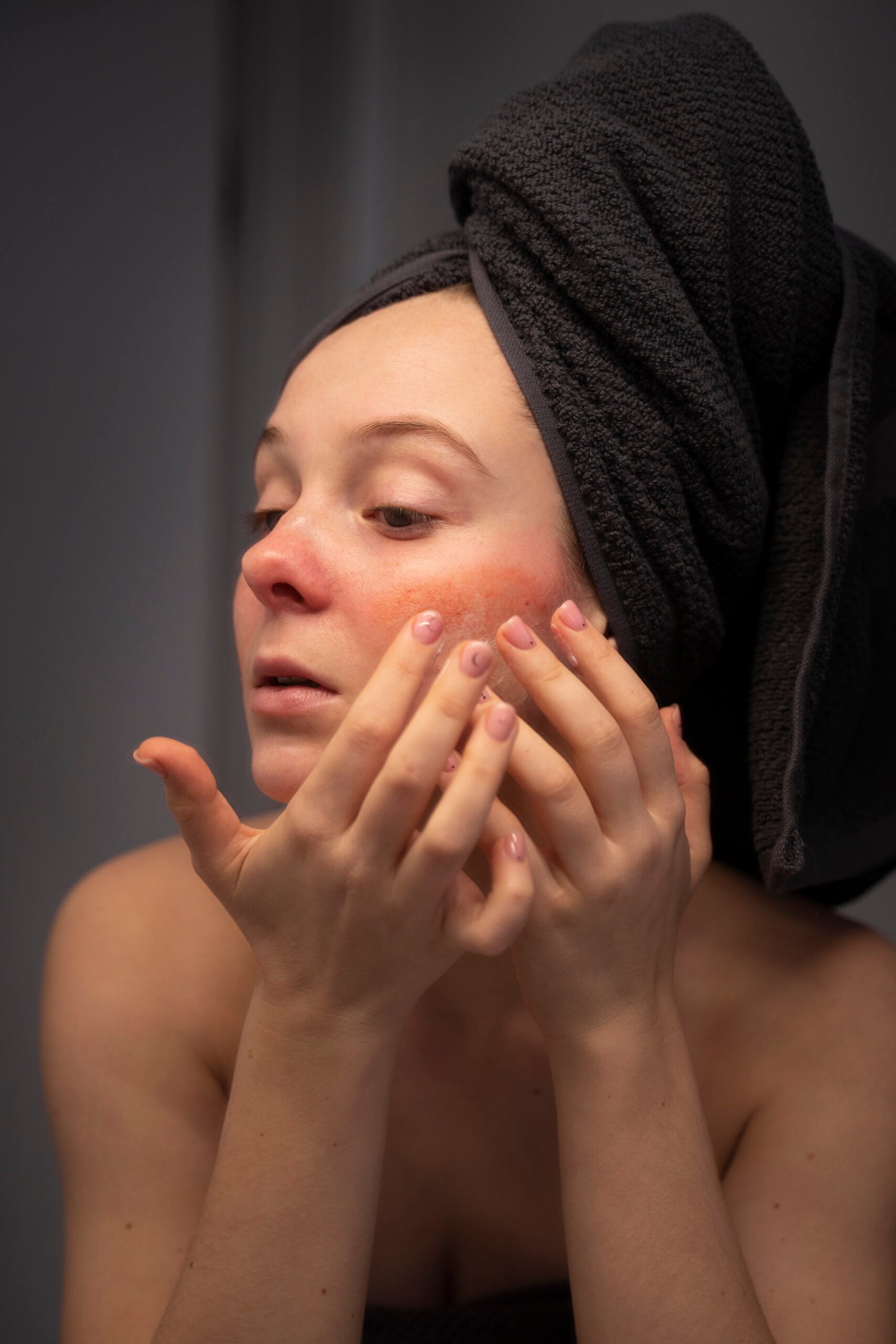
Introduction
Your skin barrier is your body’s natural defence system. Think of it as a protective wall that locks in moisture while keeping pollutants, toxins, and bacteria out. When it’s healthy, your skin looks plump, radiant, and smooth. But once it’s damaged, you may notice irritation, redness, dryness, or even increased breakouts. Repairing and maintaining this barrier is essential for long-term skin health and resilience.
Many people chase glowing skin through exfoliation, actives, and treatments, but healthy skin always starts with a strong skin barrier. No serum, treatment, or facial can work effectively if your barrier is compromised.
A damaged skin barrier leads to chronic sensitivity, persistent acne, uneven texture, and premature aging. This is why dermatologists globally emphasise barrier repair before introducing strong actives like retinoids, AHAs, or vitamin C.
According to dermatological research and guidance from the Cleveland Clinic and Harvard Health, restoring barrier function improves:
Product tolerance
Hydration retention
Skin immunity
Long-term anti-aging results
If your skincare routine feels like it’s “not working anymore,” your skin barrier may be the missing piece.
The good news? With the right routine and lifestyle changes, you can strengthen and repair it. The key is to be consistent, gentle, and selective with the products you use.
What is the Skin Barrier?
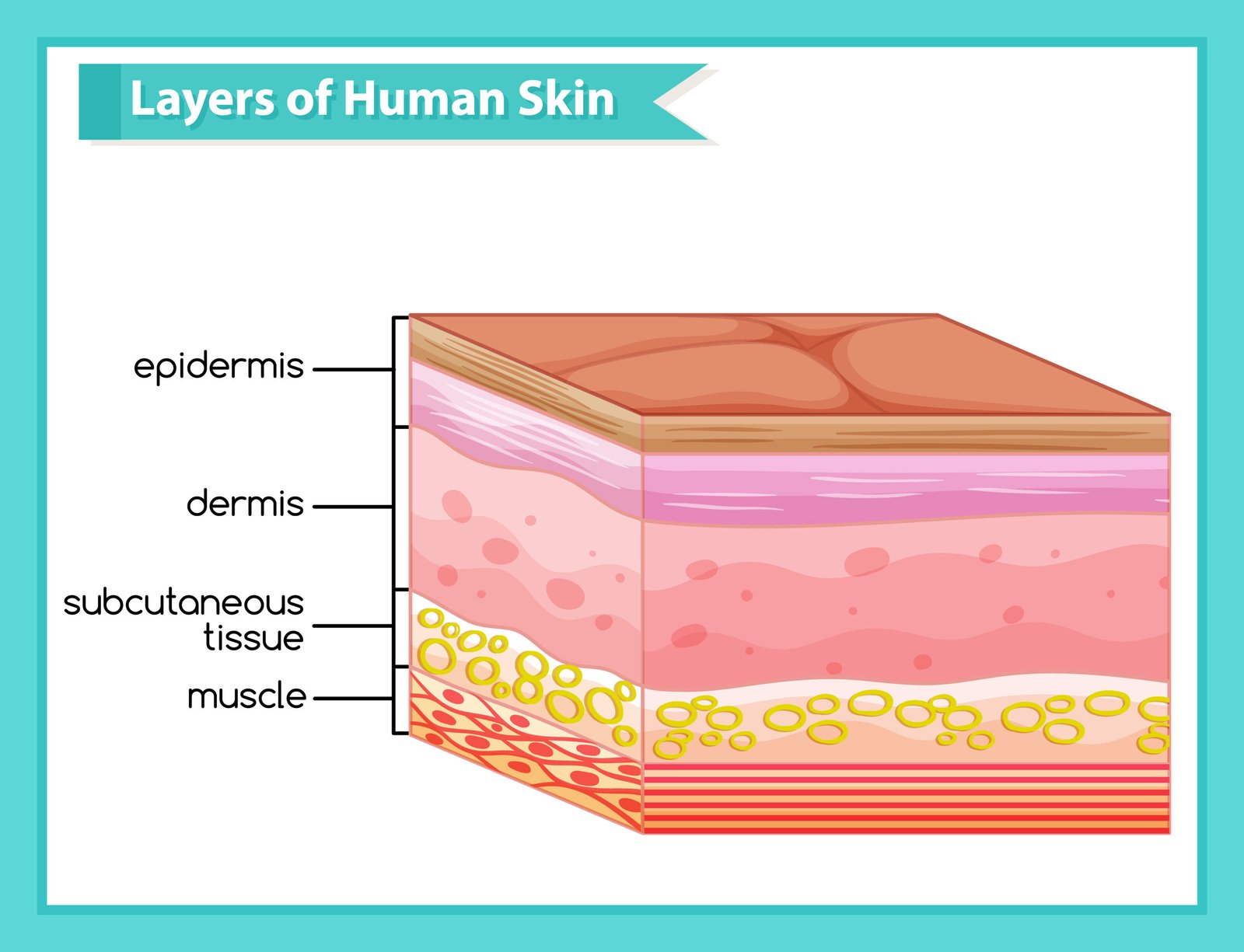
Your skin barrier, also called the moisture barrier or acid mantle, is the outermost layer of your skin, scientifically known as the stratum corneum.
Think of it as your skin’s security guard, keeping good things (like moisture and nutrients) in, and bad things (like pollution and bacteria) out. It’s made up of lipids (fats), ceramides, cholesterol, and dead skin cells, forming a “brick-and-mortar” structure that protects your face from environmental damage.
When your barrier is healthy, your skin looks hydrated, plump, and glowing. But once it’s damaged, you’ll feel the difference instantly..
For a deep dive, check out: What is the Skin Barrier and Why Does It Matter?
Learn more from Harvard Health on skin science.
Skin Barrier vs Skin Microbiome
Your skin barrier and skin microbiome work together, but they are not the same.
Skin Barrier: The physical protective layer made of lipids, ceramides, cholesterol, and corneocytes
Skin Microbiome: Beneficial bacteria that live on your skin and protect against pathogens
When the barrier is damaged:
Harmful bacteria grow more easily
Inflammation increases
Acne and sensitivity worsen
Barrier-repair ingredients like ceramides, panthenol, and centella asiatica help support both the barrier and the microbiome.
This explains why gentle, barrier-supporting routines improve acne and rosacea over time, even without harsh treatments.
Why is skin barrier so Important
The barrier does more than you think:
Prevents water loss (TEWL) so your skin stays hydrated.
Protects from irritants like pollution, UV rays, and harsh products.
Supports the microbiome — the good bacteria that keep skin balanced.
Reduces inflammation and sensitivity.
When it’s compromised, all of these functions suffer — leading to dryness, redness, and breakouts.
Signs of a damaged skin barrier
If you’ve ever felt your skin sting after applying moisturizer, that’s a big clue.
Here are the most common symptoms:
Tightness or dryness after washing your face
Burning or stinging from products that used to feel fine
Redness and irritation
Flaky or rough texture
Breakouts or small red bumps
Increased oiliness (your skin overcompensating for lost moisture)
If you notice these, your barrier needs help.
Why? Because when the “mortar” between the skin “bricks” starts to break down, moisture escapes more easily (higher TEWL), and external irritants can penetrate more easily. SGSCorp
Also, over-exfoliation, harsh cleansers, too many active ingredients, extreme weather, hot water, and alcohol/fragrance-heavy formulas are common culprits.
Check out: WeBMD
Common causes of barrier damage
You might be damaging your skin without realizing it. Here’s what often causes barrier disruption:
Over-exfoliating with acids or scrubs
Using harsh cleansers that strip natural oils
Skipping moisturizer or using the wrong one
Too many actives — mixing retinoids, AHAs, and vitamin C without rest days
Cold or dry weather
Sun exposure without sunscreen
Over-cleansing or hot water washing
Even popular “brightening” routines can hurt your barrier if not balanced with moisture and repair.
7 Powerful tips to repair
Below are 7 powerful tips to help you repair and maintain.
1. Stop Using Actives
Overusing retinol, AHAs, or BHAs can worsen barrier damage. Pause these products until your skin recovers.
Understanding the Epidermal Barrier in Healthy and Compromised Skin
2. Switch to a gentle cleanser
Avoid harsh foaming cleansers. Instead, use a pH-balanced, sulfate-free cleanser that preserves natural oils.
Cleansing Tips – American Academy of Dermatology
3. Never skip Sunscreen
UV rays break down the skin barrier daily. Apply a broad-spectrum SPF 30+ sunscreen every morning—even indoors.
AAD – Sunscreen Guide
4. Use a Barrier-Repairing Moisturiser
Choose moisturisers with ceramides, squalane, and hyaluronic acid to replenish lost lipids and restore hydration.
5. Keep your routine simple
When your barrier is damaged, less is more. Stick to the basics: a gentle cleanser, a repairing moisturiser, and sunscreen. Avoid layering multiple serums or harsh treatments.
6. Add Occlusives to lock in hydration
Incorporate occlusives to seal moisture and prevent water loss. This step is especially important if your skin feels tight or flaky.
Journal of Clinical & Aesthetic Dermatology – Occlusives for Barrier Repair
7. Protect your skin from overwashing
Washing too often strips your skin’s natural oils. Limit cleansing to once or twice daily. Avoid hot water at all costs.
How to repair a damaged barrier
Here’s your step-by-step recovery routine:
1. Simplify Your Routine
Cut out exfoliants, actives, and strong acids. Stick to:
Gentle cleanser
Barrier-repair moisturizer
Broad-spectrum SPF in the morning
2. Hydrate
Use humectants like glycerin to draw moisture into the skin.
3. Seal it in
Follow up with ceramides, fatty acids, and cholesterol to strengthen your lipid barrier.
4. Protect from the Sun
Always wear sunscreen, even indoors, to prevent further damage.
5. Avoid hot water
Use normal-lukewarm water, hot water strips away your skin’s natural oils.
6. Be patient
It can take 2–8 weeks or more for your barrier to fully recover, depending on how damaged it is.
Skin Barrier Repair Routine by Skin Type
Barrier Repair for Oily & Acne-Prone Skin
Use gel-cream textures
Don’t skip moisturizer (oiliness ≠ hydration)
Focus on niacinamide (low %) + ceramides
Avoid harsh acne cleansers
Barrier Repair for Dry & Dehydrated Skin
Use cream or balm moisturizers
Add occlusives at night
Layer humectants + lipids
Avoid foaming cleansers completely
Barrier Repair for Sensitive Skin
Fragrance-free only
Minimal routine (3–4 products max)
Avoid essential oils & alcohol
Patch test everything
Best Ingredients for Barrier Repair:
Look for these superhero ingredients in your skincare:
| Ingredient | Benefit |
|---|---|
| Ceramides | Rebuild the skin’s structure |
| Niacinamide | Strengthens barrier & reduces redness |
| Panthenol (B5) | Soothes irritation |
| Squalane | Mimics natural sebum, locks in hydration |
| Cholesterol | Restores lipid balance |
| Centella Asiatica | Calms inflammation |
| Oat extract | Anti-inflammatory & hydrating |
| Aloe vera | Cools and hydrates skin |
Ingredients to Avoid While Repairing Your Barrier
Avoid these until your barrier heals:
Strong AHAs/BHAs
Retinoids
Benzoyl peroxide
Alcohol denat
Fragrance & essential oils
Physical scrubs
Once healed, reintroduce slowly and intentionally.
My Favorite Barrier Repair Moisturizers
Here are some of my favourite picks:
La Roche-Posay Cicaplast Baume B5
Check out our detailed post about best barrier repair moisturisers.
Once healed, your goal is to maintain it. Here’s how:
Introduce actives slowly (like retinol or acids, start 1-2 times a week).
Never skip moisturizer, even if you have oily skin.
Use a gentle cleanser, not one that foams excessively.
Apply sunscreen daily.
Use barrier-supporting ingredients year-round.
Want us to cover retinoids? Email us at glowwithfaceo@gmail.com.
External Links
Bonus Tip: Choose non-comedogenic makeup products
If you wear makeup, choose fragrance-free formulas and non-comedogenic products, though it’s best not to rely solely on that claim. Always double cleanse gently before bed to remove all traces of makeup and sunscreen. Instead of trusting the label blindly, get into the habit of checking the ingredient list for those with high comedogenic ratings, as they’re more likely to clog pores.
Final Thoughts
Repairing your barrier is all about patience and consistency. Your skin health is the foundation of radiant, resilient skin. By following these tips, you’ll repair your skin barrier and protect it long-term.
Check out Glowwithfaceo for more blogs about skincare and haircare.
FAQs
Can a damaged skin barrier cause acne?
Yes. A weak barrier allows bacteria and irritants to penetrate more easily, triggering breakouts.
Can I use niacinamide on a damaged barrier?
Yes, low concentrations (2–5%) help strengthen the barrier and reduce redness.
Should I double cleanse during barrier repair?
Only if you wear heavy sunscreen or makeup and use very gentle cleansers.
Can sunscreen irritate a damaged barrier?
Some chemical sunscreens can sting. Try mineral or hybrid sunscreens during repair.
YouTube Video Suggestions:
- “Skin Barrier 101” by Dr. Dray – Explains the science behind barrier repair.
“How to Heal Your Skin Barrier” by Hyram – Practical skincare tips.
“Daily Skincare Routine for Barrier Repair” – Step-by-step demonstration.
Disclaimer
This post is based on my personal experience and research, and is intended for informational purposes only. Skincare results vary from person to person depending on skin type, routine, and individual factors.
This post is not sponsored (unless mentioned otherwise) and should not replace professional skincare or dermatological advice. Always patch-test new products and consult a dermatologist if you have specific skin concerns.
Some links in this post may be affiliate links, meaning I earn a small commission if you make a purchase, at no extra cost to you. This helps support my blog and allows me to keep sharing honest, experience-based reviews.
If you found this post helpful, don’t forget to share it with your friends.
And remember, you don’t need to fix every little thing. A healthy skin barrier takes time, care, and patience. You’re beautiful just the way you are.